


What If the Police Report Is Wrong After a Burlington, VT Car Accident?
Understanding Your Options When an Accident Report Contains Mistakes
A police report often becomes one of the first documents people look at after a car accident. Many drivers assume the report tells the complete story. In reality, officers usually arrive after the crash has already happened. They must piece together events from driver statements, witness accounts, physical evidence, and their own observations. While officers work hard to document collisions accurately, mistakes can still appear in a report.
After a Burlington, VT car accident, even a small error can create major problems. An incorrect statement, a wrong diagram, or a mistaken conclusion about fault may affect an insurance claim or injury case. During an already stressful time, sorting out those mistakes can feel overwhelming. Experienced Burlington VT car accident lawyers often review police reports closely because inaccuracies can influence how insurers evaluate a claim. At Horn Wright, LLP, our attorneys understand how much can be at stake after a crash. We help people understand their options while protecting their rights throughout the claims process.
Why Police Reports Matter After a Burlington, VT Car Accident
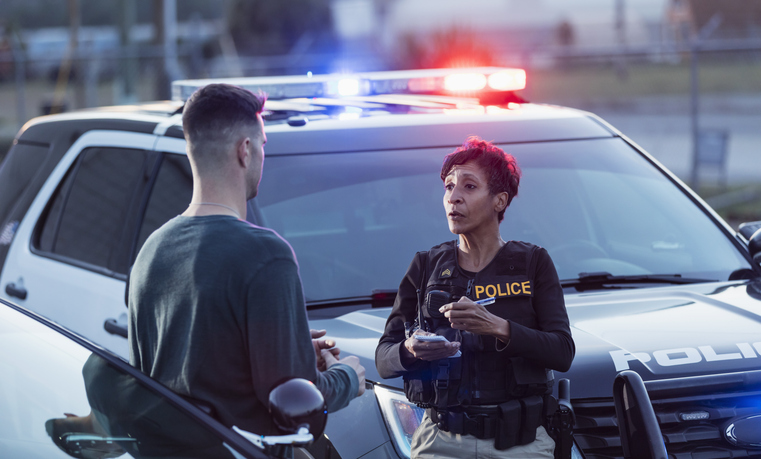
Police reports play an important role in many accident claims because insurance companies often review them early in their investigations. Adjusters may rely on the details in a report when evaluating how a collision occurred and who may be responsible. The information can influence negotiations long before settlement discussions begin. Because of that, accuracy matters from the start. Even a small mistake can create confusion and affect how an insurer views the facts of the crash.
Even so, a police report does not automatically determine fault under Vermont law. Police officers do not have the final authority to decide civil liability, and insurers, attorneys, judges, and juries consider all available evidence. In Burlington, crashes on Interstate 89, Shelburne Road, and busy downtown streets often generate reports containing driver information, witness statements, road conditions, and damage descriptions. Those reports remain an important part of the overall picture, but they are only one piece of the evidence.
Common Errors Found in Burlington Accident Reports
Many police report mistakes involve simple administrative errors, such as misspelled names, incorrect insurance information, or inaccurate vehicle descriptions. While these issues may seem minor, they can create confusion when insurance companies review and process claims. Errors can also appear in witness statements or driver accounts if an officer misunderstands what was said or summarizes information inaccurately. Missing or incomplete witness details may further affect how the collision is understood.
Some reports contain inaccurate descriptions of road conditions, traffic controls, accident locations, or vehicle positions. A report may identify the wrong lane, reference the wrong street, or incorrectly describe a traffic signal. In more complex crashes, officers often must make observations based on limited information available at the scene. As additional evidence emerges, those initial conclusions may not always reflect what actually happened.
How a Wrong Police Report Can Affect Your Claim
An inaccurate police report can create problems almost immediately because insurance companies often review it before speaking with drivers or witnesses. If the report contains incorrect facts, those errors may shape the insurer’s initial view of the claim. As a result, correcting misunderstandings later may require additional evidence and effort. Early mistakes can influence how the entire claims process unfolds.
Report errors can also make fault disputes more difficult and delay settlement negotiations. When serious injuries are involved, the consequences may be even greater because medical expenses, lost wages, and ongoing treatment costs can add up quickly. An incorrect report that shifts blame or omits important details may affect how insurers evaluate those losses. Reviewing the report carefully after a Burlington car accident can help identify issues before they create larger challenges.
Signs That Your Burlington Accident Report May Contain Errors
Many people do not review their police report until weeks after a collision. By then, mistakes may have already influenced the insurance process. Obtaining a copy and reading it carefully can help identify problems before they become larger issues. Early review also gives you more time to gather supporting evidence if corrections become necessary. Taking this step can help prevent misunderstandings from affecting your claim moving forward.
One effective approach involves comparing the report against your own records. Photographs, videos, written notes, and medical documentation often provide valuable points of comparison. If details do not match, that discrepancy deserves closer attention. Even small inconsistencies can reveal larger problems with how the accident was documented. Carefully reviewing each detail can help you determine whether additional action may be needed.
Watch for several warning signs:
- Driver statements that do not match what was actually said
- Missing witness information
- Incorrect vehicle descriptions
- Wrong accident locations
- Inaccurate roadway or weather conditions
You should also look for missing evidence. Skid marks, debris patterns, vehicle positions, and traffic camera footage may provide important context. When those details are absent or inaccurately described, they can affect how others interpret the collision. Early review gives you a better opportunity to address concerns before they gain momentum.
Steps to Take If the Police Report Is Wrong
Finding an error in a police report can be frustrating. Still, a calm and organized response often produces the best results. Taking action quickly helps preserve evidence and strengthens your ability to challenge incorrect information. Acting early can also prevent misunderstandings from affecting your claim as it moves forward.
Start by obtaining a complete copy of the report. Read every section carefully. Pay attention to factual details, diagrams, witness information, and descriptions of how the collision occurred. Make notes about any errors or omissions you identify. Creating a detailed list of concerns can help you stay organized when discussing the issue with insurers or law enforcement.
Gather supporting evidence that helps establish what happened. Useful materials may include:
- Accident scene photographs
- Dashcam recordings
- Surveillance footage
- Witness contact information
- Medical records
- Vehicle repair estimates
Once you have collected supporting information, consider contacting the investigating officer. Some factual errors can be corrected through established procedures. Even when officers do not amend a report, they may accept supplemental information that becomes part of the file. Keep detailed records of all communications with law enforcement, insurance companies, and other parties involved in the claim. Thorough documentation often becomes valuable later.
Evidence That Can Help Correct an Incorrect Accident Report
Strong evidence can make a significant difference when challenging an inaccurate report. Objective evidence often carries substantial weight because it provides information that does not depend solely on memory or opinion. Photographs, videos, and dashcam footage can provide a clear record of vehicle positions, road conditions, traffic signals, and visible damage. Because these materials capture details close to the time of the collision, they often help resolve disputes about what occurred.
Independent witnesses can also strengthen a challenge to an inaccurate report by offering neutral observations of the crash. Their statements may clarify disputed facts and provide perspectives that neither driver can offer. Additional evidence may come from vehicle data systems, GPS records, or accident reconstruction experts who analyze speed, direction, timing, and impact points. When significant disagreements exist, these resources can provide important information that a police report alone may not capture.
Understanding Vermont’s Comparative Negligence Rules
Vermont follows a modified comparative negligence system, which means fault may be divided among multiple parties involved in a collision. The percentage assigned to each person can directly affect the compensation available in an injury claim. Even a small mistake in a police report can influence how fault is assessed and how a claim is valued.
Because fault percentages matter, inaccurate information can have significant consequences during an insurance claim. A report that incorrectly assigns responsibility may affect how insurers evaluate liability and damages. If an insurer believes you were more responsible for the crash than you actually were, it may reduce its settlement offer. Correcting errors early helps ensure that decisions are based on accurate facts rather than misunderstandings.
When a Report Dispute Becomes a Larger Legal Issue
Some report disputes involve minor clerical corrections, while others become far more significant when serious injuries, multiple vehicles, or substantial financial losses are involved. A major injury claim may include long-term medical treatment, reduced earning capacity, or permanent physical limitations that increase the value of the case. In these situations, disagreements about fault can have a direct impact on compensation. Insurance companies often examine every available detail before making decisions about liability and damages.
Commercial vehicle crashes can add another layer of complexity because they may involve company policies, maintenance records, electronic data, and multiple insurance carriers. When a police report contains inaccuracies, resolving the dispute may require a more extensive investigation. Conflicting evidence such as witness statements, video footage, physical evidence, and expert opinions does not always align with the original report. Federal crash data collected by the National Highway Traffic Safety Administration also highlights how investigators often rely on multiple sources of evidence when analyzing collisions.
Get Guidance If an Incorrect Police Report Threatens Your Claim
A police report can influence the course of a car accident claim, but it does not always tell the full story. If you discover mistakes after a Burlington, VT car accident, taking prompt action can help protect your rights and preserve important evidence. The sooner inaccuracies are identified, the easier it may be to address them before they affect insurance decisions. At Horn Wright, LLP, our attorneys understand the challenges accident victims face when the facts in a report do not match what actually happened. If you need answers about your situation, contact us today to discuss your concerns and learn about your legal options.

What Sets Us Apart From The Rest?
Horn Wright, LLP is here to help you get the results you need with a team you can trust.
-
Client-Focused ApproachWe’re a client-centered, results-oriented firm. When you work with us, you can have confidence we’ll put your best interests at the forefront of your case – it’s that simple.
-
Creative & Innovative Solutions
No two cases are the same, and neither are their solutions. Our attorneys provide creative points of view to yield exemplary results.
-
Experienced Attorneys
We have a team of trusted and respected attorneys to ensure your case is matched with the best attorney possible.
-
Driven By Justice
The core of our legal practice is our commitment to obtaining justice for those who have been wronged and need a powerful voice.