


Who Is Liable for a Car Accident on I-89 Near Burlington, VT?
Understanding Fault, Insurance Responsibility, and Your Rights
A crash on Interstate 89 can turn an ordinary day upside down in seconds. Injuries, vehicle damage, insurance claims, and financial concerns often follow immediately after a collision. Many people struggle to understand who should pay for medical bills, lost income, vehicle repairs, and other losses. Determining liability becomes one of the most important parts of the recovery process because fault directly affects compensation and insurance obligations.
Working with experienced Burlington, VT car accident lawyers can help injured drivers better understand the legal and insurance issues that often follow a serious crash. Liability questions frequently become the center of an accident claim, especially when several parties may share responsibility. While every collision involves different facts, understanding how Vermont law approaches fault can help people make informed decisions and better protect their interests after a serious highway accident.
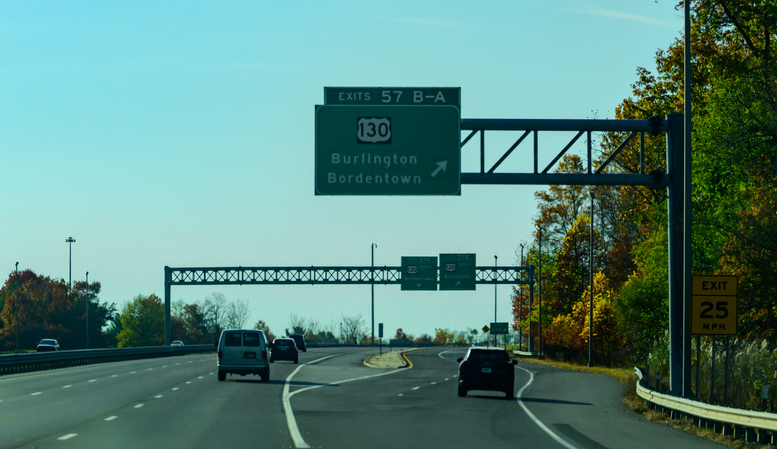
Why I-89 Near Burlington Sees Serious Car Accidents
Interstate 89 serves as a major transportation route through Vermont and carries a steady flow of passenger vehicles, commercial trucks, and regional traffic throughout the year. Drivers use the highway for commuting, business travel, and access to surrounding communities. Increased traffic volume naturally raises the likelihood of collisions, particularly during peak travel periods when congestion becomes more common and reaction times become more important.
Weather conditions contribute significantly to accident risks on this roadway. Snow, freezing rain, ice accumulation, and reduced visibility can create dangerous driving conditions even for experienced motorists. Vehicles traveling at highway speeds require greater stopping distances during adverse weather, and sudden changes in road conditions can quickly lead to loss of control or multi-vehicle collisions.
Traffic patterns also create challenges that increase accident risks. Drivers frequently encounter merging vehicles, lane changes, sudden braking, and varying traffic speeds. These conditions require constant attention and safe driving practices. When motorists become distracted, drive aggressively, or fail to adjust to changing conditions, the likelihood of a serious collision increases substantially. Understanding the factors that contributed to a crash often plays a central role in determining liability and identifying responsible parties.
Vermont's Fault-Based System for Car Accidents
Vermont follows a fault-based insurance system for motor vehicle accidents. Under this approach, the party responsible for causing a collision generally bears financial responsibility for resulting damages. This system differs from no-fault insurance structures used in some states, where drivers often rely primarily on their own insurance coverage regardless of who caused the accident.
Liability affects nearly every aspect of an accident claim. Medical expenses, rehabilitation costs, lost wages, property damage, and other losses often depend on proving that another party acted negligently. Insurance companies carefully evaluate evidence because fault determinations directly influence claim values and payment obligations. As a result, disputes regarding liability frequently become a major issue during the claims process.
Establishing fault requires a detailed review of available evidence. Investigators may analyze police reports, witness statements, photographs, roadway conditions, vehicle damage, and electronic data from involved vehicles. In more complex cases, accident reconstruction specialists may examine physical evidence to determine how the collision occurred. A thorough investigation helps create a clearer understanding of events and supports a more accurate assessment of responsibility.
Drivers Who May Be Liable for an I-89 Collision
Many highway accidents result from driver negligence. Speeding remains one of the most common contributing factors because it reduces reaction time and increases stopping distances. Distracted driving presents similar dangers. Drivers who focus on mobile devices, navigation systems, or other distractions may fail to recognize changing traffic conditions until it is too late to avoid a collision.
Aggressive driving behaviors frequently contribute to serious crashes as well. Tailgating, unsafe lane changes, failure to yield, and reckless passing maneuvers can create hazardous situations for everyone on the roadway. These actions often increase the likelihood of collisions and may serve as important evidence when investigators evaluate fault and liability.
Some accidents involve multiple negligent drivers rather than a single responsible party. Multi-vehicle collisions often require investigators to determine how each driver's actions contributed to the crash. Responsibility may be divided among several individuals when evidence shows that multiple drivers failed to exercise reasonable care before the collision occurred.
When Employers May Share Responsibility
Many vehicles on public roads are operated for business purposes. Delivery companies, contractors, service providers, and other organizations regularly place employees behind the wheel as part of their job duties. When an employee causes an accident while performing work-related responsibilities, legal questions often arise regarding the employer's potential liability.
Vermont law recognizes circumstances in which employers may be held responsible for the actions of employees acting within the scope of their employment. This principle commonly applies when an employee operates a company vehicle or performs assigned work tasks at the time of the collision. Liability may exist even when company management had no direct involvement in the accident itself.
Investigations sometimes focus on the employer's own conduct rather than solely on the employee's actions. Questions may arise regarding hiring practices, driver qualifications, training procedures, supervision policies, or vehicle maintenance programs. Evidence showing inadequate safety measures or poor oversight may become relevant when determining responsibility for a crash.
Can Government Agencies Be Liable for an I-89 Accident?
Drivers often focus on the actions of other motorists when evaluating the cause of a collision. However, roadway conditions sometimes contribute to accidents as well. Government agencies responsible for maintaining public highways generally have obligations to address hazards and keep roads reasonably safe for travel.
Dangerous roadway conditions can develop in many forms. Poor drainage may allow standing water to accumulate on travel lanes. Damaged guardrails may fail to provide adequate protection during an impact. Missing or inadequate signage can reduce driver awareness of hazards ahead. Winter maintenance concerns may also become relevant when snow or ice creates unsafe driving conditions. Information about roadway maintenance responsibilities on state highways is available through the Vermont Agency of Transportation.
Claims involving government entities often involve unique legal requirements. Special notice provisions, procedural rules, and filing deadlines may apply. Investigators typically examine whether officials knew about a hazardous condition, whether they had sufficient time to address it, and whether the condition contributed directly to the accident.
Vehicle Defects and Product Liability Claims
Not every accident results solely from driver behavior. Mechanical failures sometimes contribute directly to collisions or increase the severity of resulting injuries. When defective vehicle components play a role in an accident, manufacturers and other entities involved in the design, production, or distribution process may face potential liability.
Several types of defects commonly appear in vehicle-related investigations:
- Brake system failures
- Steering component defects
- Tire blowouts
- Faulty airbags
- Defective seat belt systems
A product defect claim differs significantly from a standard negligence claim involving driver conduct. Rather than focusing primarily on driving behavior, investigators evaluate manufacturing processes, design specifications, testing procedures, and product performance. Technical evidence often becomes a central component of these cases because proving the existence of a defect requires detailed analysis.
Preserving evidence is particularly important when a defective vehicle component may have contributed to an accident. Repairs, alterations, or disposal of damaged parts can make future examinations more difficult. Careful preservation of the vehicle and related evidence may help investigators identify defects and determine whether additional parties should be included in the liability analysis.
How Evidence Helps Determine Fault
Strong evidence often plays a decisive role in determining liability after a motor vehicle accident. Insurance companies, attorneys, and investigators rely on objective information when evaluating competing accounts of how a collision occurred. The quality and availability of evidence frequently influence both fault determinations and settlement negotiations.
Police reports often provide an important starting point for accident investigations. Responding officers document observations from the scene, gather statements from involved parties and witnesses, and record information regarding roadway conditions and vehicle damage. While a police report does not automatically establish fault, it often serves as a valuable source of information during the claims process.
Evidence may include:
- Photographs from the crash scene
- Video recordings
- Witness statements
- Medical records
- Vehicle damage assessments
- Electronic vehicle data
Each category of evidence contributes to a more complete understanding of the collision. Photographs may reveal skid marks, debris patterns, or roadway conditions. Witness statements can provide independent observations regarding driver behavior. Medical records help establish the nature and extent of injuries. Electronic vehicle data may offer additional insight into speed, braking activity, and vehicle operation immediately before impact.
Vermont Comparative Negligence Rules
Liability does not always rest entirely with one party. Vermont applies a modified comparative negligence system that allows fault to be allocated among multiple individuals or entities involved in an accident. Under this framework, investigators and insurers evaluate the conduct of all parties and assign percentages of responsibility based on the available evidence.
Comparative negligence can significantly affect compensation. When an injured person is found partially responsible for a collision, any financial recovery may be reduced according to that person's percentage of fault. As a result, liability disputes often focus heavily on the actions of each driver before and during the accident.
Determining comparative fault frequently requires a detailed review of witness statements, physical evidence, vehicle damage, roadway conditions, and expert analysis. Drivers may disagree about speed, lane position, signaling, following distance, or reaction times. Investigators must evaluate all available information before assigning fault percentages and determining how responsibility should be divided.
Because compensation often depends on these calculations, comparative negligence remains one of the most important legal concepts in accident claims. Even relatively small adjustments in fault allocation can substantially affect the amount of compensation available to an injured party.
Understanding Your Legal Options After an I-89 Accident
Determining liability after a car accident on I-89 often requires a detailed investigation that extends beyond a simple review of a police report. Driver negligence, employer responsibility, roadway conditions, vehicle defects, and comparative fault issues can all influence who bears financial responsibility for a collision. Each accident presents unique facts that require careful evaluation before liability can be accurately assessed.
Individuals seeking additional information about accident claims may benefit from speaking with an attorney regarding their circumstances. Legal guidance can help clarify rights, explain procedural requirements, and provide insight into the evidence that may be relevant to a particular case. For those interested in learning more about legal options under Vermont law, you can get additional information by contacting us.

What Sets Us Apart From The Rest?
Horn Wright, LLP is here to help you get the results you need with a team you can trust.
-
Client-Focused ApproachWe’re a client-centered, results-oriented firm. When you work with us, you can have confidence we’ll put your best interests at the forefront of your case – it’s that simple.
-
Creative & Innovative Solutions
No two cases are the same, and neither are their solutions. Our attorneys provide creative points of view to yield exemplary results.
-
Experienced Attorneys
We have a team of trusted and respected attorneys to ensure your case is matched with the best attorney possible.
-
Driven By Justice
The core of our legal practice is our commitment to obtaining justice for those who have been wronged and need a powerful voice.