


Can Tourists Injured in Burlington, VT Car Accidents File Claims?
Understanding Your Rights as an Out-of-State Visitor After a Vermont Crash
After a car accident, most people feel extremely stressed out. That stress can become even more difficult when the crash happens far from home. A vacation, college visit, business trip, or weekend getaway can change quickly when another driver causes a collision. Medical treatment, vehicle damage, insurance communications, and travel disruptions often arise at the same time. Many visitors are unsure whether they can still pursue compensation if they live outside Vermont. In most situations, being a tourist does not eliminate the legal rights available after a Burlington, VT car accident.
Horn Wright, LLP, provides legal representation for people injured in motor vehicle accidents. The firm's car accident attorneys assist clients with understanding applicable laws, evaluating claims, gathering evidence, and communicating with insurance companies. Legal guidance can help injured individuals better understand their options and responsibilities throughout the claims process.
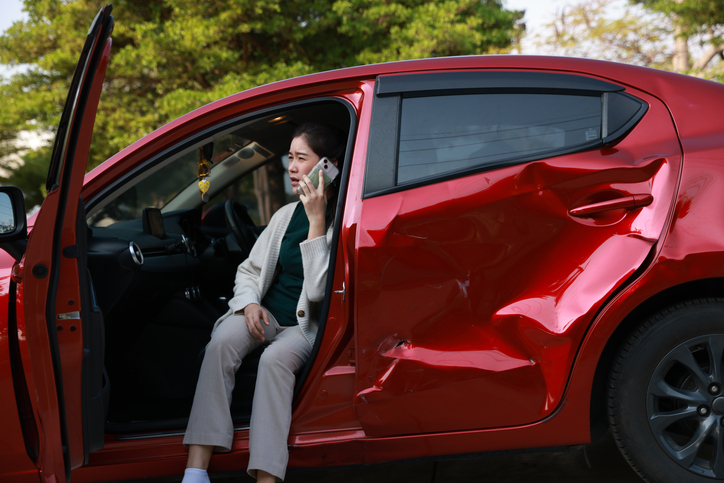
Can Tourists File Car Accident Claims in Burlington, VT?
Yes. Tourists injured in a Burlington, VT car accident can generally pursue compensation under the same legal framework that applies to Vermont residents. The location of the collision and the facts surrounding the crash are usually more important than the injured person's state of residence. When another driver causes a collision through negligent conduct, an injured visitor may have the right to seek compensation through an insurance claim or, when appropriate, through legal action.
Many people mistakenly believe that leaving Vermont ends their ability to pursue a claim. In reality, insurance companies regularly handle claims involving out-of-state drivers, passengers, and visitors. The claims process often continues after an injured person returns home, particularly when medical treatment extends beyond the initial emergency response period.
A claim may involve records from healthcare providers, employers, insurance carriers, and other sources located in different states. Even so, the right to pursue compensation generally remains intact. Depending on the circumstances, compensation may be available for medical expenses, lost income, rehabilitation costs, pain and suffering, and other losses connected to the collision. Understanding these rights early can help injured visitors make informed decisions about protecting their interests.
Why Tourist Car Accidents Happen in Burlington
Visitors often encounter driving conditions that differ from those they experience at home. Unfamiliar roads, changing traffic patterns, navigation systems, and local driving habits can create situations where mistakes occur more easily. Drivers who are focused on finding destinations may have less attention available for surrounding traffic conditions, increasing the likelihood of collisions.
Traffic volume can fluctuate throughout the year, particularly during busy travel periods. Congested intersections, pedestrian activity, and unfamiliar roadway layouts may contribute to confusion for visitors. Weather conditions can also create hazards. Snow, ice, rain, and reduced visibility may affect vehicle control and stopping distances, especially for drivers who have limited experience operating vehicles in those conditions.
Several factors commonly contribute to accidents involving tourists:
- Unfamiliar road layouts
- Heavy seasonal tourism traffic
- Distracted driving
- Sudden stops or turns
- Poor weather conditions
Determining exactly how a crash occurred is often an important part of the claims process. Insurance companies and legal representatives frequently examine roadway conditions, driver behavior, witness statements, vehicle damage, and other evidence when evaluating liability. Establishing the cause of the collision can help support a stronger claim and provide a clearer understanding of who may be responsible for resulting damages.
Steps to Take Immediately After a Burlington Car Accident
The actions taken immediately after a collision can affect both physical recovery and the strength of a future claim. Many people feel overwhelmed after an accident, particularly when they are traveling away from home. Having a basic understanding of what to do can help preserve important evidence and reduce confusion during a stressful situation.
Safety should remain the first priority. Anyone involved in a collision should seek emergency assistance when injuries are present or suspected. Even injuries that initially appear minor may become more serious over time. Prompt medical evaluation creates a record of treatment and helps identify conditions that may not be immediately obvious.
Important information often includes:
- Photos of vehicle damage
- Images of road conditions
- Contact information for drivers
- Witness names and phone numbers
Medical records, photographs, witness information, and police reports frequently become important pieces of evidence during a claim. Preserving these materials can help establish how the collision occurred and how the injuries affected the injured person. Thorough documentation often reduces disputes regarding liability and damages.
Understanding Vermont's Fault-Based Insurance Rules
Vermont follows a fault-based insurance system for motor vehicle accidents. Under this approach, the party responsible for causing the collision may also be responsible for compensating injured individuals for resulting damages. This differs from no-fault systems used in some states, where claims may initially proceed through a person's own insurance coverage regardless of fault.
Insurance companies typically investigate accidents to determine responsibility. Adjusters often review police reports, photographs, witness statements, vehicle damage, medical records, and other available evidence. Their objective is to evaluate how the collision occurred and whether a particular driver acted negligently. These investigations can significantly influence how claims are resolved.
Liability is not always straightforward. Some accidents involve multiple vehicles, conflicting witness accounts, or disputed facts. Vermont law may allow injured individuals to recover compensation even when fault is shared among multiple parties, although the amount available may depend on the circumstances. Understanding how fault is evaluated can help injured visitors better understand the claims process.
What Compensation May Be Available?
A serious collision can create financial and personal consequences that continue long after the accident itself. Medical treatment, rehabilitation, transportation expenses, and missed work can place significant pressure on injured individuals and their families. Understanding the types of compensation that may be available can help people evaluate the potential value of a claim.
Economic damages generally address measurable financial losses. These may include emergency medical treatment, hospital bills, physical therapy expenses, prescription costs, future medical care, and lost wages. Documentation such as invoices, receipts, employment records, and medical reports often plays an important role in establishing these damages.
Non-economic damages address losses that do not have a fixed dollar amount. Physical pain, emotional distress, reduced quality of life, and limitations on daily activities may all be considered when evaluating a claim. These damages recognize that injuries often affect more than a person's finances.
Receiving Medical Treatment After Returning Home
Many injured tourists receive emergency treatment immediately after a collision and then continue medical care after returning home. This is a common situation and does not automatically create problems for an injury claim. Ongoing treatment often provides important documentation regarding the nature and extent of the injuries.
Consistency in medical care can be important. Following treatment recommendations, attending appointments, and communicating accurately with healthcare providers helps create a clear record of recovery. Insurance companies frequently review treatment histories when evaluating claims, making complete and accurate records especially valuable.
Medical documentation from multiple providers can work together to establish the progression of symptoms and treatment needs. Emergency room records, specialist evaluations, diagnostic imaging results, physical therapy notes, and primary care records may all contribute to a comprehensive picture of the injury and its effects.
Filing a Claim After Leaving Vermont
Many visitors assume they must remain in Vermont to pursue compensation after a collision. In practice, much of the claims process can often be handled remotely. Advances in technology have made communication, document sharing, and case management more accessible for individuals who live outside the state.
Insurance companies regularly process claims involving people who reside elsewhere. Medical records, photographs, correspondence, and supporting documentation can frequently be exchanged electronically. This allows injured individuals to continue pursuing compensation while receiving treatment and managing responsibilities in their home states.
Distance can still create practical challenges. Obtaining records, coordinating communications, and responding to requests for information may require additional organization and attention. Maintaining copies of important documents and responding promptly to inquiries can help reduce delays and keep the process moving forward.
Challenges Tourists Often Face During Injury Claims
Tourists often encounter unique obstacles when pursuing compensation after a motor vehicle accident. Being away from the accident location can make it more difficult to gather evidence, communicate with witnesses, and obtain certain records. As time passes, important details may become harder to verify, making early action especially important.
Some of the more frequent challenges include:
- Delayed access to records
- Limited contact with witnesses
- Disputes regarding injury severity
- Communication issues with insurers
- Evidence preservation concerns
Addressing these challenges often requires careful documentation and organization. Maintaining copies of medical records, correspondence, receipts, and accident-related evidence can help support the claim. Prompt action may also improve access to witnesses and other information that could become more difficult to obtain later.
Early evidence collection frequently strengthens a claim by preserving details before they are lost. Photographs, police reports, medical evaluations, and witness statements can all contribute to a clearer understanding of what occurred. Strong documentation often helps reduce disputes and supports a more accurate assessment of damages.
Why Deadlines and Evidence Matter
Time plays a significant role in every car accident claim. Evidence can disappear, witness memories can fade, and records may become more difficult to obtain as months pass. Delays can create unnecessary complications that make it harder to establish liability and prove damages.
Vermont law imposes deadlines that may affect an injured person's ability to pursue compensation. Missing an applicable deadline can jeopardize a claim regardless of the underlying facts.
Evidence often comes from many different sources. Police reports, medical records, photographs, surveillance footage, witness statements, and vehicle inspections may all contribute to understanding how a collision occurred. Preserving this information early can improve the accuracy and reliability of the evidence available later.
Strong documentation frequently supports more efficient claim resolution. When evidence clearly establishes liability and damages, disputes may be easier to address. Taking steps to preserve records and comply with applicable deadlines can help protect legal rights and strengthen an injured person's position throughout the claims process.
Helping You Move Forward After a Burlington Car Accident
A car accident can affect nearly every aspect of a trip and continue creating challenges long after the initial collision. Injuries, medical treatment, financial concerns, and insurance issues often require significant time and attention. Understanding available legal rights and taking prompt action can help injured individuals protect their interests and make informed decisions about the future.
Individuals seeking additional information about their legal options may contact our attorneys. Legal guidance can help explain applicable laws, evaluate potential claims, and provide information about the steps involved in pursuing compensation after a Burlington, VT car accident.

What Sets Us Apart From The Rest?
Horn Wright, LLP is here to help you get the results you need with a team you can trust.
-
Client-Focused ApproachWe’re a client-centered, results-oriented firm. When you work with us, you can have confidence we’ll put your best interests at the forefront of your case – it’s that simple.
-
Creative & Innovative Solutions
No two cases are the same, and neither are their solutions. Our attorneys provide creative points of view to yield exemplary results.
-
Experienced Attorneys
We have a team of trusted and respected attorneys to ensure your case is matched with the best attorney possible.
-
Driven By Justice
The core of our legal practice is our commitment to obtaining justice for those who have been wronged and need a powerful voice.