


Manhattan Truck Accident Lawyers
Fighting to Protect Your Rights
A truck crash in Manhattan can feel like pure chaos. One moment, you’re moving through traffic near a loading dock, construction zone, bridge approach, crosstown street, or busy avenue. Next, a delivery truck, box truck, garbage truck, tractor-trailer, courier van, or commercial vehicle hits you. The noise, force, and confusion can leave you hurt, shaken, and extremely stressed out.
At Horn Wright, LLP, our Manhattan truck accident attorneys help injured people stand up to trucking companies, delivery companies, insurers, and commercial carriers. We know these claims can get complicated fast. There may be driver logs, dashcam footage, black box data, dispatch records, cargo records, and multiple insurance policies involved. Our team can take that stress off your shoulders, protect key evidence, and fight for the compensation you deserve while you focus on healing.
What to Do After a Manhattan Truck Accident When the Scene Is Moving Fast
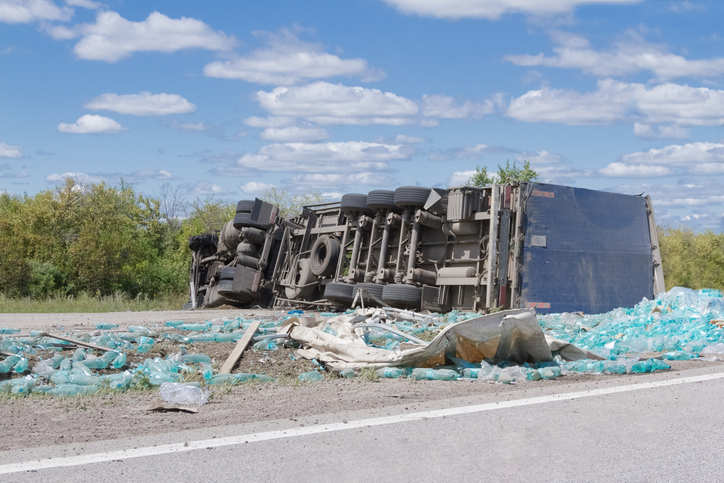
Truck accident scenes in Manhattan can disappear quickly. Traffic gets redirected. Cargo gets moved. A commercial vehicle may be towed. Workers may clean the area. Camera footage may be overwritten. That’s why your first steps matter.
Call 911 if anyone is hurt, if vehicles block traffic, if a truck leaves the scene, if cargo is spilled, or if you suspect drunk, distracted, or unsafe driving. New York DMV says drivers must file a crash report when someone is injured or killed, or when property damage to one person exceeds $1,000.
If you can do so safely, document the scene before it changes. Photograph or record:
- The truck, your vehicle, license plates, company names, DOT numbers, and visible damage
- Skid marks, debris, cargo, broken glass, road defects, signs, lanes, and traffic lights
- Weather, lighting, work zones, loading docks, construction barriers, and nearby cameras
- Your injuries, torn clothing, damaged belongings, and the location of impact
Get the truck driver’s name, employer, insurance details, and contact information. Ask witnesses for names and phone numbers. If the crash involved a delivery truck, gig driver, out-of-state carrier, or rented commercial vehicle, write down every company name you see.
Then get medical care. Truck crashes can cause injuries that don’t show up fully right away. Pain, dizziness, headaches, numbness, back pain, neck pain, and confusion should never be brushed off.
Manhattan Truck Crash Evidence Can Vanish Unless Someone Preserves It
Truck accident cases often turn on evidence that injured people cannot get on their own. A nearby store may have video. A city bus may have cameras. A building doorbell camera may show the crash. A dashcam may capture the truck’s speed, braking, or wide turn. A commercial truck’s electronic control module, often called black box or ECM data, may show speed, braking, throttle, and other crash details.
That evidence can be lost if no one acts.
A spoliation letter is a formal notice telling a trucking company, insurer, business, or other party to preserve evidence. It may demand that they keep driver logs, ELD records, dashcam footage, ECM data, maintenance records, inspection records, dispatch notes, GPS data, route records, phone records, and cargo documents.
This matters because trucking companies often move quickly after a serious crash. Their insurer or safety team may call before you’ve even seen a doctor. They may ask for a statement. They may act helpful. But they are also protecting themselves.
Do not let the trucking company control the story. Evidence should answer questions like:
- Was the driver speeding, distracted, tired, or poorly trained?
- Did the truck have bad brakes, broken lights, missing reflectors, or unsafe guards?
- Did cargo shift, fall, or overload the vehicle?
- Did dispatch pressure the driver into an unsafe route or schedule?
- Did road defects, work zones, or city conditions play a role?
In a serious Manhattan truck crash, preserving evidence early can change the whole case.
Why Manhattan Truck Accident Claims Are Different From Car Accidents
Truck accident claims are often more complex than regular car accident claims. The vehicle is larger. The injuries may be more severe. The evidence is more technical. The insurance may involve several policies. And more than one company may share responsibility.
A commercial truck crash may involve the driver, motor carrier, truck owner, shipper, broker, cargo loader, maintenance company, parts manufacturer, or government entity. A delivery truck crash may involve a national company, local contractor, gig worker, app-based platform, or third-party logistics provider. When out-of-state insurance applies, the claim can become even more confusing.
Commercial auto insurance may cover injuries caused by a business vehicle. But coverage disputes can arise. The insurer may claim the driver was not working, the vehicle was not covered, another policy comes first, or the crash falls under an exclusion.
This is why truck claims often take longer. The case may require:
- Insurance policy review
- Company record requests
- Expert analysis
- Accident reconstruction
- Medical documentation
- Negotiation with several insurers
It can feel slow. But speed should not come at the cost of a fair result. Truck crash injuries may involve future care, lost income, and long-term pain. Those losses need to be understood before settlement.
Who Can Be Liable After a Manhattan Truck Accident?
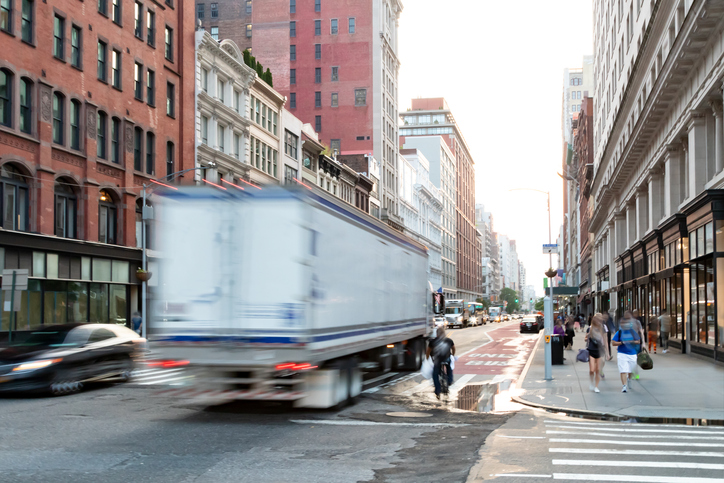
Liability in a Manhattan truck accident is not always limited to the driver. The driver may have made the immediate mistake, but someone else may have created the risk.
A truck driver may be liable for speeding, distracted driving, running a light, making an unsafe lane change, backing without checking, taking a wide turn too sharply, or failing to stop in time. The trucking company may be liable for poor hiring, poor training, weak supervision, unsafe scheduling, ignored complaints, or failure to maintain the vehicle.
A shipper or cargo loading company may be responsible if cargo was overloaded, unsecured, or allowed to shift. A maintenance company may be liable if it missed brake problems, tire issues, lighting defects, steering problems, or required repairs. A manufacturer may be liable if a defective part caused or worsened the crash.
Sometimes the City or a contractor may share fault. Road defects, poor signage, unsafe work zones, broken traffic controls, or badly managed construction areas can create danger. Those cases may involve shorter notice rules, so timing matters.
The real question is simple: who had the power to prevent the crash and failed to use it?
Fatigue, Distraction, Speeding, and Bad Driving in Manhattan Truck Crashes
Truck drivers face pressure. Deliveries are timed. Routes are tight. Manhattan traffic is unforgiving. But pressure does not excuse unsafe driving.
Fatigue is a major issue in truck accident cases. Federal hours-of-service rules limit how long many commercial drivers may operate. FMCSA’s summary states that property-carrying drivers may drive a maximum of 11 hours after 10 consecutive hours off duty, and hours-of-service rules are designed to help drivers stay awake and alert.
Driver logs, ELD records, dispatch records, route data, toll records, fuel receipts, and GPS data can help show whether fatigue played a role.
Distraction can be just as dangerous. Phone logs, text records, app use, GPS inputs, delivery updates, and in-cab video may show whether the driver looked away at the wrong moment. Speeding and aggressive driving may be proven through ECM data, dashcam footage, skid marks, reconstruction experts, traffic camera footage, and witness statements.
Some crash patterns raise red flags right away:
Unsafe lane changes. Wide turns. Blind spot impacts. Rear-end crashes. Jackknife collisions. Backing crashes near loading docks. Truck rollovers. Underride crashes. Cargo spills. These are not “just accidents” until the evidence says so.
Truck Safety Equipment, Maintenance, and Cargo Problems Can Make Crashes Worse
Commercial trucks need working safety systems. Lights, reflectors, mirrors, brakes, tires, underride guards, backup alarms, load securement equipment, and warning devices all matter. When these systems are broken, missing, or ignored, a crash can become far worse.
Brake failure cases deserve close review. A trucking company may claim the brakes failed suddenly, but maintenance records may tell a different story. Inspection reports may show worn parts, missed service, bad repairs, or recurring problems. The same is true for lights, tires, steering parts, and safety guards.
Cargo can also cause or worsen a crash. Overloaded trucks are harder to stop and control. Shifting cargo can cause rollovers, jackknifes, or lane departures. Falling cargo can hit vehicles, block traffic, or force drivers into sudden evasive moves.
Proof may come from weigh tickets, loading records, bills of lading, photos, inspection reports, company policies, and witness statements. In some cases, a cargo loader or shipper may share blame even if they were not at the crash scene.
A truck is only as safe as the people and companies responsible for putting it on the road.
Manhattan Truck Accident Injuries Can Show Up Days Later
After a truck crash, adrenaline can hide pain. You may feel “okay” at first. Then the headaches start. Your back tightens. Your neck burns. Your hands feel numb. Sleep gets harder. You feel foggy, anxious, or unlike yourself.
Delayed symptoms can point to serious injuries, including concussions, herniated discs, soft tissue injuries, nerve damage, internal injuries, and emotional trauma. Medical care helps you heal and creates a record linking your symptoms to the crash.
Insurance companies often attack delayed treatment. They may say you were not really hurt, or that your injuries came from something else. That does not make the claim weak by itself. It does make documentation important.
Tell your doctor what happened and describe all symptoms clearly. Mention pain, stiffness, headaches, dizziness, numbness, weakness, sleep trouble, anxiety, and daily limits. Follow up when symptoms change.
Your medical records should help explain not only what injury you have, but how it affects your life.

What You Can Recover After a Manhattan Truck Accident
The value of a Manhattan truck accident case depends on the injuries, proof of fault, insurance coverage, lost income, future care, and long-term impact. No honest lawyer can give one flat number without reviewing the facts.
A truck accident claim may include compensation for:
- Emergency care, hospital bills, surgery, therapy, medication, and future medical care
- Lost wages, reduced earning ability, and missed work opportunities
- Vehicle damage, transportation costs, household help, and out-of-pocket expenses
- Pain, suffering, emotional distress, disability, scarring, and loss of enjoyment of life
New York motor vehicle cases may also involve the serious injury threshold for pain and suffering claims. New York Insurance Law defines “serious injury” to include categories such as death, fracture, significant disfigurement, permanent loss of use, significant limitation, and certain medically determined injuries that affect usual activities for at least 90 of the 180 days after the accident.
Truck accident damages can be large because the injuries can be severe. But insurance companies may still minimize them. They may argue your treatment is excessive, your pain is not related, or you should return to work sooner than your doctors say. Future medical care matters. So does future lost income. A settlement should account for what the crash did to your life, not just the bills you have today.
Insurance Calls, Denials, and First Settlement Offers After a Truck Crash
If the trucking company calls first, stay calm and keep the conversation limited. You do not need to give a detailed statement, discuss your injuries in depth, sign forms, or accept blame. You should not guess.
A recorded statement can hurt your claim. An adjuster may ask about your speed, your pain, your prior health, what you saw, and what you think happened. If you are still shaken, you may leave out details or say something inaccurate.
Truck insurers may deny claims by arguing the driver was not at fault, another vehicle caused the crash, your injuries are not serious, treatment is unrelated, or another insurance policy should pay. When multiple policies apply, insurers may point fingers at each other.
Uninsured and underinsured coverage may matter if the at-fault driver lacks enough coverage or if a hit-and-run truck cannot be identified. Commercial policies, personal policies, employer policies, and excess policies may all need review. Be careful with early settlement offers. They may arrive before all evidence is preserved, before black box data is reviewed, before doctors understand future care, or before wage loss is calculated. Once you sign a release, your claim may be over.
Manhattan Truck Accident Lawsuits, Depositions, Experts, and Settlement Timing
Some truck accident claims settle. Others require a lawsuit. Whether your case goes to trial depends on the evidence, injury severity, insurer behavior, disputed fault, and settlement offers.
New York generally gives three years to file many personal injury lawsuits based on negligence. CPLR 214 lists a three-year deadline for personal injury actions. Some claims, including claims involving government entities or public road defects, may require faster notice.
If a lawsuit is filed, depositions may happen. At a deposition, lawyers ask questions under oath about the crash, your injuries, medical treatment, work history, daily limits, and prior health. Truck drivers, dispatchers, safety managers, maintenance workers, cargo loaders, and company representatives may also be questioned.
Experts may help prove the case. Accident reconstruction experts can analyze speed, braking, impact angles, skid marks, crush damage, ECM data, and sight lines. Medical experts can explain injuries and future care. Trucking experts can review logs, maintenance, training, supervision, and safety practices.
Settlement timing varies. A case may move faster when fault is clear and treatment is complete. It may take longer when evidence is complex, injuries are severe, or multiple companies blame each other.
When a Manhattan Truck Accident Is Too Serious to Handle Alone
Truck accident claims can become technical, expensive, and aggressive fast. Legal help may make a major difference when video must be preserved, the trucking company calls early, multiple policies apply, injuries worsen over time, or the insurer denies responsibility.
A truck accident lawyer can send spoliation letters, request records, investigate the driver and company, preserve camera footage, identify all insurance coverage, work with experts, calculate damages, and protect you from unfair blame.
Focused resources can answer deeper questions, such as what to do after a truck accident in Manhattan, how to preserve dashcam and nearby camera footage, who can be liable in a Manhattan truck accident, how black box data helps, and what to expect from a Manhattan truck accident settlement timeline.
Talk With Horn Wright, LLP About Your Manhattan Truck Accident Claim
After a Manhattan truck crash, you deserve answers, support, and a plan that protects your future. Horn Wright, LLP represents injured people in truck accident claims involving delivery trucks, commercial carriers, cargo spills, underride crashes, jackknife accidents, wide turns, blind spots, bad maintenance, driver fatigue, distracted driving, road defects, serious injuries, and denied insurance claims.
Our attorneys know how to move fast, preserve key evidence, and push back when trucking companies protect themselves instead of doing what’s right. Let our team carry the legal pressure while you focus on your health, your family, and your recovery.

What Sets Us Apart From The Rest?
Horn Wright, LLP is here to help you get the results you need with a team you can trust.
-
Client-Focused ApproachWe’re a client-centered, results-oriented firm. When you work with us, you can have confidence we’ll put your best interests at the forefront of your case – it’s that simple.
-
Creative & Innovative Solutions
No two cases are the same, and neither are their solutions. Our attorneys provide creative points of view to yield exemplary results.
-
Experienced Attorneys
We have a team of trusted and respected attorneys to ensure your case is matched with the best attorney possible.
-
Driven By Justice
The core of our legal practice is our commitment to obtaining justice for those who have been wronged and need a powerful voice.