


Overloaded Trucks in Manhattan Scales Tickets and Proof
Manhattan Truck Weight Rules and What They Mean
You’re moving through Manhattan traffic, boxed in by taxis, delivery vans, and pedestrians crossing at every corner. A commercial truck carrying too much weight changes the way that entire environment feels. The vehicle takes longer to stop, reacts slower to steering input, and becomes harder to control when space tightens.
Those changes increase the risk for everyone nearby, especially in dense corridors like the FDR Drive where traffic rarely opens up. When a crash happens, the damage often reflects that added weight.
At Horn Wright, LLP, our Manhattan truck accident attorneys understand how these cases develop from the first moment of impact. You may feel uncertain about what caused the crash or whether weight violations played a role. That uncertainty can sit with you while you’re trying to focus on recovery and next steps. Getting clear answers early helps you regain control over the situation.
You deserve to know whether a preventable violation contributed to your injuries. Trucking companies have a duty to follow strict weight rules, and those rules exist to protect people like you. When that duty gets ignored, the consequences can be serious. Taking action now can make a difference in how your case moves forward.
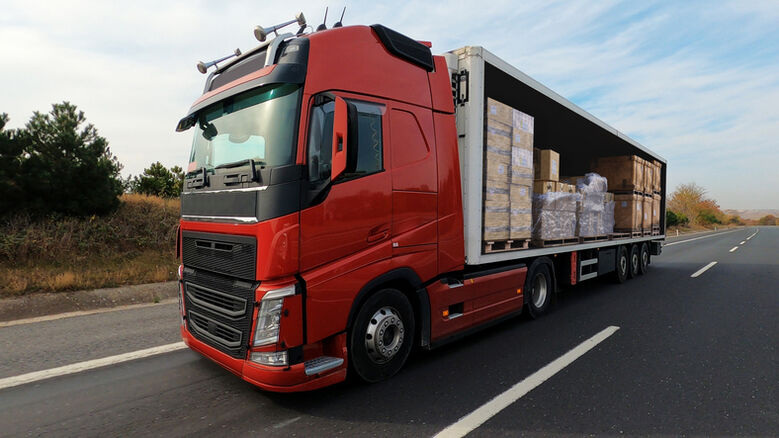
Why Overloaded Trucks Create Real Risk in Manhattan
Extra weight changes how a truck behaves in ways that matter on Manhattan streets. Braking distance increases, and that delay can lead to rear-end collisions in stop-and-go traffic. Drivers must react quickly to lights, pedestrians, and sudden lane changes. When a truck carries too much weight, it cannot respond with the same speed or precision. That gap in response time creates real danger.
Steering control also becomes less reliable under heavy loads. Trucks need to navigate narrow lanes and tight turns, especially in busy areas with constant delivery activity. Excess weight shifts how the vehicle balances, making turns wider and less predictable. A driver may try to correct the path, but the truck may not respond in time. That delay can push the vehicle into adjacent lanes or closer to pedestrians.
Mechanical stress adds another layer of risk. Tires wear down faster, and the chance of a blowout increases under heavy loads. Brake systems also face more strain, especially during repeated stops in traffic. When these systems fail, the results can escalate quickly. Weight limits exist to reduce these risks and keep traffic moving safely.
How New York Sets and Enforces Weight Limits
New York law sets clear limits on how much weight a commercial truck can carry. These limits apply to both the total vehicle weight and the weight distributed across each axle. The rules aim to protect roads, bridges, and everyone sharing the roadway. You can review these regulations directly through the New York State Department of Transportation, which outlines weight thresholds and permit requirements.
Enforcement happens through inspections and roadside checks. Officers compare measured weight against legal limits and review documentation that describes the cargo. When those numbers do not align, they issue violations on the spot. These enforcement actions create a record that can later support an injury claim. They also send a clear message to companies about the importance of compliance.
Penalties increase with the severity of the violation. A small overage may result in a fine, while a larger violation can lead to significant penalties and further scrutiny. These consequences affect drivers and trucking companies alike. Weight violations can also influence liability after a crash. When a truck operates outside legal limits, that violation can point directly to negligence.
Where Truck Weighing Happens in and Around Manhattan
Manhattan does not rely on large fixed weigh stations the way highways do in other parts of the state. Instead, enforcement teams use flexible methods to monitor truck weight. Mobile inspection units allow officers to respond quickly and focus on high-traffic areas. This approach fits the city’s layout and constant movement. It also means that weight checks can happen in many locations.
Key entry points into Manhattan often see increased enforcement. Routes feeding into the George Washington Bridge and the Lincoln Tunnel act as natural checkpoints. Trucks entering the city must pass through these corridors, making them ideal spots for monitoring. Officers can identify potential violations before the truck moves deeper into city traffic. This helps reduce risk in already crowded areas.
Portable scales make this process possible. Officers can stop a truck, set up equipment, and measure weight on the roadside. This flexibility allows enforcement to adapt to changing traffic patterns. It also increases the chance that violations will be detected quickly. Drivers and companies know that checks can happen anywhere.
What Happens During a Truck Weigh In Inspection
When officers stop a truck for a weight inspection, they follow a structured process. The goal is to gather accurate data and document the condition of the vehicle. Each step builds a record that may later become important evidence. The inspection focuses on both weight and overall safety. That combination helps create a full picture of the situation.
First, officers position portable scales under each axle. They record the weight for each section of the truck and compare it to legal limits. This step shows whether the load exceeds allowed thresholds. Next, inspectors review shipping documents such as bills of lading. These documents should match the measured weight and describe the cargo accurately. Any mismatch raises concerns about compliance.
Inspectors also examine how the load is distributed. Uneven distribution can create safety risks even when total weight appears acceptable. Finally, officers prepare a written report that documents their findings. This report often includes details about the inspection process and any violations observed. It becomes a key piece of evidence if a dispute arises later.
Understanding Overweight Tickets and Violations
When a truck exceeds legal weight limits, officers issue a ticket that details the violation. This document includes the amount of excess weight and identifies the parties responsible. Responsibility may fall on the driver, the trucking company, or both. The ticket also notes the location and time of the violation. That information can connect directly to a crash event.
Fines increase based on how much the truck exceeds legal limits. Larger violations carry higher penalties and may trigger additional enforcement actions. Companies with repeated violations may face stricter oversight. These consequences aim to encourage compliance and reduce risk on the road. They also create a record that can be reviewed later.
These tickets play a significant role in injury claims. Investigators and attorneys examine them to understand what happened before a crash. The details inside a ticket can help establish a timeline and identify responsibility. When combined with other evidence, they strengthen the overall case. This paper trail often becomes a central part of the legal process.
Key Evidence That Proves a Truck Was Overloaded
Several types of evidence can confirm that a truck carried too much weight. Each piece adds detail and helps build a clear narrative. Together, they show what the truck carried, when it carried it, and how that weight affected safety. Strong documentation removes uncertainty and supports your claim. It also helps counter arguments from the trucking company.
Scale tickets and weight slips provide direct proof of the truck’s weight at a specific time. These records come from official inspections and carry significant weight in legal proceedings. Bills of lading and shipping records show what the truck was supposed to carry. Comparing these documents to scale results can reveal discrepancies. Inspection reports and violation notices describe what officers observed during enforcement.
Driver logs and dispatch records help establish a timeline. They show where the truck traveled and when it moved through certain areas. These records can connect a weight violation to the moment of a crash. Additional resources, such as federal safety data from the Federal Motor Carrier Safety Administration, can also provide context about compliance history. Together, these pieces create a strong foundation for your case.
How Overloading Connects to Liability After a Crash
When a crash involves an overloaded truck, the added weight often plays a direct role in what happened. Excess weight increases stopping distance and reduces control. These factors can lead to collisions that might have been avoided under normal conditions. Investigators look closely at weight when determining cause. They examine whether the truck could have stopped or maneuvered differently.
Liability often extends beyond the driver. Trucking companies, cargo loaders, and shipping partners may all share responsibility. Each party plays a role in ensuring that the truck operates within legal limits. When one or more parties fail to meet that responsibility, they may be held accountable. This shared responsibility can shape how a claim develops.
Weight violations strengthen injury claims by showing a clear breach of safety rules. They provide evidence that the truck operated outside legal standards. That violation supports arguments that the crash was preventable. It also helps establish a link between the violation and the injuries sustained. This connection can influence the outcome of a case.
Steps to Take If You Suspect an Overloaded Truck Caused Your Injury
Taking the right steps after a crash can protect your health and your legal position. Acting quickly helps preserve evidence and ensures that key details remain available. These actions create a foundation for your claim. They also help you stay organized during a difficult time. Each step builds toward a clearer understanding of what happened.
Start by seeking medical care as soon as possible. Follow all treatment recommendations and keep records of your visits. Medical documentation shows the extent of your injuries and supports your claim. Next, request a copy of the police report. Ask whether officers noted any signs of overloading or inspection activity. This report may include valuable information about the scene.
Gather visual evidence if you can. Photos and videos of the truck, cargo, and surrounding area can provide important context. Act quickly to secure trucking records before they become harder to access.
Taking the Next Step After an Overloaded Truck Crash
Overloaded trucks create added risk on Manhattan streets where space and time already feel limited. Weight limits exist to protect drivers, pedestrians, and infrastructure from preventable harm. When those limits are ignored, enforcement tools like scales and tickets leave behind a clear record. That record can show what went wrong and who holds responsibility.
If you’re dealing with injuries after a truck crash, you do not have to sort through this alone. Our trusted Manhattan truck accident attorneys at Horn Wright, LLP, can review the evidence, identify violations, and guide you through your next steps.

What Sets Us Apart From The Rest?
Horn Wright, LLP is here to help you get the results you need with a team you can trust.
-
Client-Focused ApproachWe’re a client-centered, results-oriented firm. When you work with us, you can have confidence we’ll put your best interests at the forefront of your case – it’s that simple.
-
Creative & Innovative Solutions
No two cases are the same, and neither are their solutions. Our attorneys provide creative points of view to yield exemplary results.
-
Experienced Attorneys
We have a team of trusted and respected attorneys to ensure your case is matched with the best attorney possible.
-
Driven By Justice
The core of our legal practice is our commitment to obtaining justice for those who have been wronged and need a powerful voice.