


Broken or Missing Truck Safety Equipment Lights Reflectors Guards
Manhattan Truck Equipment Safety Starts With Visibility and Protection
You move through Manhattan expecting large trucks to stay visible and predictable at every moment. That expectation matters in dense traffic where quick decisions happen constantly.
When lights fail, reflectors disappear, or guards break, that visibility drops and risk increases. Drivers nearby may struggle to judge distance or recognize movement in time. In areas near the FDR Drive, that delay can lead to sudden collisions.
At Horn Wright, LLP, our Manhattan truck crash attorneys focus on what the truck looked like before the crash and how it was maintained. You may not know whether missing equipment contributed to the incident. That uncertainty can make recovery feel harder and slow your next steps. Our team reviews inspection reports, maintenance logs, and photos that show the truck’s condition. These records help explain whether the crash could have been prevented.
You deserve clear answers that help you move forward. Trucking companies must keep safety equipment in working condition at all times. When they fail to do so, the consequences affect everyone nearby.
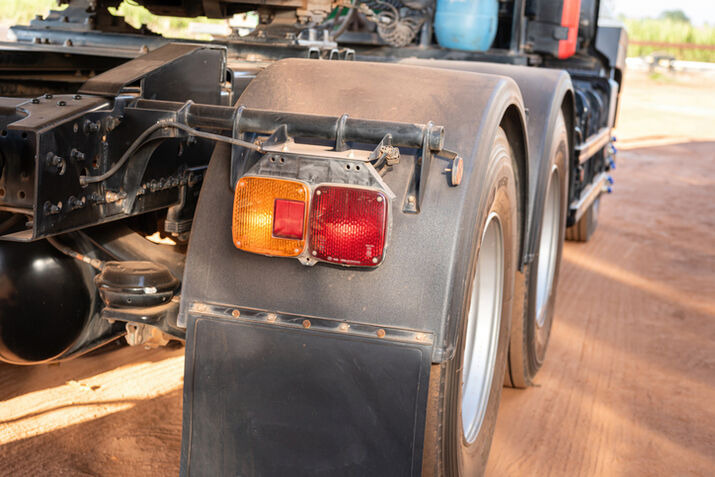
Why Truck Safety Equipment Matters on Busy City Streets
Truck safety equipment plays a direct role in how drivers interact with each other on Manhattan streets. Lights and reflectors provide immediate visual cues that help others understand a truck’s position and movement.
Without those cues, drivers must rely on guesswork. That uncertainty can lead to delayed reactions and unsafe decisions. In a crowded environment, even a small delay can cause a crash.
Traffic density increases the importance of these systems. Vehicles travel close together, and drivers rely on clear signals to adjust speed and direction. A missing brake light or dim signal can remove critical information. This lack of information can cause rear-end collisions or side impacts. Equipment that works properly helps maintain a steady and predictable flow.
Pedestrian activity adds another layer of concern. People cross streets frequently and expect vehicles to signal their actions clearly. A truck without proper lighting or reflective markings can become harder to detect. This increases the risk of accidents involving pedestrians. Maintaining safety equipment supports safer movement for everyone.
The Core Safety Equipment Every Truck Must Have
Commercial trucks must include specific safety components that support visibility and protection. These parts work together to create a clear visual profile and reduce injury risk.
Each component serves a defined purpose and contributes to overall safety. When one part fails, the system becomes less effective. Understanding these components helps explain how failures lead to accidents.
- Headlights and brake lights. These lights allow others to see the truck and recognize when it slows down. Proper function helps drivers react in time. A failure removes an important warning signal.
- Turn signals and side markers. These signals show the truck’s intended movement. They help nearby drivers anticipate lane changes and turns. Missing or broken signals create confusion.
- Reflectors and reflective tape. Reflectors outline the truck’s shape in low light or poor weather. They help drivers judge distance and position. Without them, the truck can blend into the background.
- Underride guards. These guards prevent smaller vehicles from sliding under the truck during a crash. They reduce the severity of impact and protect occupants. Damaged or missing guards increase injury risk.
These components form the foundation of truck safety. Keeping them in working condition supports safe operation on city streets.
How Lights and Reflectors Prevent Collisions
Lights and reflectors help drivers make quick and accurate decisions. They provide essential information about a truck’s location and movement. In low-light conditions or heavy traffic, these signals become even more important. Drivers rely on them to maintain safe distances and avoid collisions. Clear signals support predictable behavior.
Brake lights indicate when a truck slows down. This allows drivers behind the truck to adjust speed and maintain control. Turn signals show intended direction and help prevent side impacts. Reflectors provide a constant outline of the truck’s size and position. Together, these elements create a visible and recognizable presence.
When these systems fail, visibility drops and risk increases. Drivers may not recognize the truck until it is too late to respond. This can lead to sudden braking or evasive actions. These reactions can cause additional accidents in crowded areas. Maintaining lights and reflectors helps reduce these risks.
The Role of Underride Guards in Crash Protection
Underride guards serve as a key safety feature on commercial trucks. These guards are installed at the rear and sometimes along the sides. Their purpose is to prevent smaller vehicles from sliding underneath the truck during a collision. This protection reduces the severity of injuries and limits structural damage. Proper installation and maintenance are essential.
When underride guards function correctly, they create a barrier that absorbs impact. This barrier helps keep vehicles aligned during a crash. It reduces the chance of severe intrusion into the passenger area. Without this protection, collisions can result in more serious harm. Missing or damaged guards remove an important layer of safety.
Regular inspections help ensure that guards remain effective. Damage from prior incidents or wear can weaken their structure. Identifying these issues early helps prevent failure during a crash. Maintaining underride guards supports overall road safety. It also reflects a company’s commitment to compliance.
Common Equipment Failures That Lead to Accidents
Equipment failures often develop through wear, damage, or lack of maintenance. These issues may begin as minor problems but can grow into serious concerns. Identifying common failures helps explain how accidents occur. It also highlights the importance of regular inspections. Each failure affects how the truck interacts with others on the road.
Burned-out lights reduce visibility and remove critical signals. Broken reflectors make it harder to detect the truck at night. Damaged guards may fail during a collision and increase injury risk. These problems can occur individually or together. When combined, they create a higher level of danger.
Poor maintenance allows these issues to persist. Companies that fail to inspect and repair equipment increase the likelihood of accidents. These failures often connect directly to crash scenarios. Understanding these patterns helps establish responsibility. It also supports claims related to negligence.
Maintenance and Inspection Duties for Trucking Companies
Trucking companies must inspect and maintain safety equipment regularly. This includes pre-trip inspections, routine maintenance, and timely repairs. Drivers must check their vehicles before each trip and report any issues. Maintenance teams must address those issues promptly. This process helps ensure that trucks remain safe to operate.
Regulatory guidance from the Federal Motor Carrier Safety Administration explains these requirements. Companies must keep detailed records of inspections and repairs. These records show what work was completed and when it occurred. They also provide evidence of compliance with safety standards.
Consistent maintenance reduces the risk of equipment failure. It helps identify problems early and prevent them from escalating. Companies that follow these practices support safer roads. Those that do not may face liability after a crash. Proper maintenance reflects a commitment to safety.
Where Equipment Violations Are Enforced in Manhattan
Enforcement of safety equipment rules adapts to Manhattan’s environment. Officers use mobile inspections and targeted checks to monitor compliance. This approach allows them to respond to traffic patterns and focus on high-risk areas. It also ensures that inspections can occur throughout the city. Drivers must remain prepared for checks at any time.
Entry points into Manhattan often see increased enforcement. Routes leading into the Lincoln Tunnel serve as key checkpoints. Trucks entering the city may be inspected before moving into dense traffic. This helps identify missing or damaged equipment early. It reduces risk within crowded areas.
Roadside inspections remain a common method of enforcement. Officers examine lights, reflectors, and guards for compliance. They also review maintenance records and issue citations when necessary. This process reinforces the importance of proper equipment. It supports safer conditions for all road users.
How Missing or Broken Equipment Affects Liability
Missing or broken equipment can influence how liability is determined after a crash. When a truck fails to meet safety standards, it may be considered negligent. This failure can contribute directly to the incident. Investigators examine whether the equipment issue affected visibility or protection. If it did, it strengthens the case against the responsible party.
Liability may involve multiple parties. The driver, trucking company, and maintenance providers may share responsibility. Each party has a role in ensuring that equipment remains in working condition. When one or more parties fail to meet that obligation, they may be held accountable. This shared responsibility can affect the outcome of a claim.
Evidence plays a key role in establishing liability. Inspection reports, maintenance logs, and photos can show the truck’s condition. These records help connect the failure to the crash.
Moving Forward After a Crash Involving Equipment Failure
Broken or missing safety equipment creates preventable risks on Manhattan streets. Inspection records, repair logs, and enforcement reports can reveal what went wrong and who holds responsibility.
When you face injuries after a truck crash, access to this information helps you understand your situation. You deserve a clear path forward and support during this process. Acting quickly helps preserve evidence and protect your claim.
Our trusted Manhattan truck accident attorneys at Horn Wright, LLP, can review the evidence, identify equipment failures, and guide you through your legal options. We work to secure records, analyze documentation, and connect those details to your injuries.
We focus on building a strong case that reflects the full impact of what happened. You can visit our truck accident page to explore your options and learn how we can help. Reaching out now can make a difference in how your case moves forward.

What Sets Us Apart From The Rest?
Horn Wright, LLP is here to help you get the results you need with a team you can trust.
-
Client-Focused ApproachWe’re a client-centered, results-oriented firm. When you work with us, you can have confidence we’ll put your best interests at the forefront of your case – it’s that simple.
-
Creative & Innovative Solutions
No two cases are the same, and neither are their solutions. Our attorneys provide creative points of view to yield exemplary results.
-
Experienced Attorneys
We have a team of trusted and respected attorneys to ensure your case is matched with the best attorney possible.
-
Driven By Justice
The core of our legal practice is our commitment to obtaining justice for those who have been wronged and need a powerful voice.