


Poor Truck Driver Training or Supervision Proving Negligent Hiring in Manhattan
Manhattan Truck Driver Standards and Hiring Responsibility
You move through Manhattan expecting commercial drivers to handle large vehicles with skill and control. That expectation matters more in tight corridors where traffic compresses and decisions happen fast. A poorly trained driver can misjudge distance, delay braking, or swing too wide during a turn. These mistakes carry more weight near routes like the FDR Drive where congestion rarely eases. When supervision is weak, those same mistakes repeat without correction.
At Horn Wright, LLP, our Manhattan truck crash attorneys work to uncover what happened before the crash. You may not know whether the company failed to train the driver or ignored warning signs during supervision. That gap in information can make the situation feel harder to manage while you recover. We review hiring files, training logs, and internal communications to identify what the company knew and what it failed to do. These records help explain whether the crash could have been prevented.
You deserve answers that help you move forward with confidence. Trucking companies must hire qualified drivers and maintain strong oversight once those drivers hit the road. When that process breaks down, people get hurt.
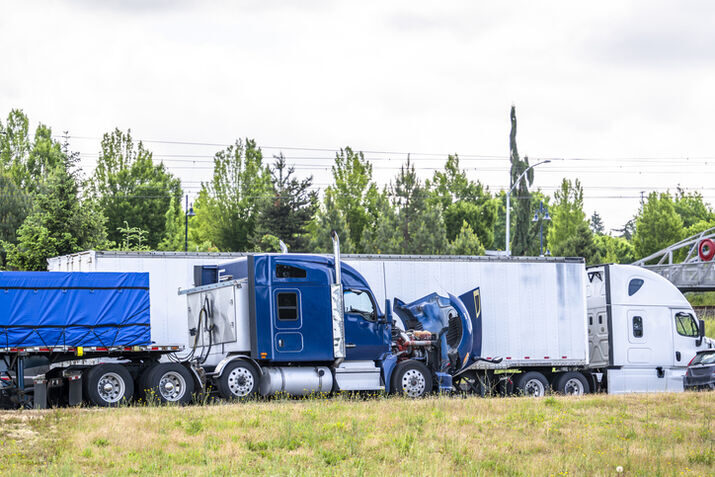
Why Driver Training and Supervision Matter in Manhattan
Driving a commercial truck in Manhattan demands precision and awareness from the first block to the last. Streets remain crowded, signals change often, and pedestrians move through crosswalks at all hours.
A driver must control a large vehicle while adjusting to constant changes in traffic flow. Without proper training, that task becomes harder to manage and mistakes become more likely. These conditions place real pressure on a driver’s skill level.
Supervision keeps those skills sharp and consistent over time. Companies must monitor driver behavior, review performance, and address any safety concerns that arise. Without that oversight, unsafe habits can develop and continue without correction. Patterns such as aggressive turns or delayed stops often reflect a lack of supervision. These patterns can lead directly to crashes in high-traffic areas.
The impact of poor training or supervision extends beyond the driver. Other road users depend on predictable behavior from large vehicles. When that predictability disappears, the risk spreads quickly. These failures often trace back to company decisions made long before the crash occurred. Understanding that connection helps explain how negligent hiring contributes to accidents.
What Negligent Hiring Means Under New York Law
Negligent hiring occurs when a company places an unqualified driver behind the wheel. This may happen when the company fails to review a driver’s background or ignores warning signs during the hiring process.
New York law requires companies to take reasonable steps to ensure that their drivers can operate safely. When those steps are skipped or rushed, the company may be held responsible for the outcome. This responsibility applies from the moment the driver is hired.
The concept also extends beyond the initial decision. Companies must evaluate whether a driver remains qualified as time passes. If new violations or safety concerns arise, the company must respond. Ignoring those developments can allow risk to continue. Liability can attach when a company keeps a driver on the road despite clear concerns.
Cases involving negligent hiring often focus on what the company knew and when it knew it. Employment records and internal communications can reveal whether warning signs existed. These details help establish whether the company acted reasonably. When the evidence shows a failure to act, it can support a claim for damages.
Key Hiring Duties Trucking Companies Must Follow
Trucking companies must follow specific hiring steps to ensure that drivers meet safety standards. These steps create a foundation for responsible operation and protect everyone on the road.
Skipping any part of this process can increase risk and expose others to harm. Each requirement serves a clear purpose in evaluating a driver’s ability. When companies ignore these duties, the consequences can be serious.
- Review driving history and prior violations. Companies must examine records for accidents, citations, and patterns of unsafe behavior. This review helps identify risks before hiring decisions are made. Ignoring red flags can lead to preventable incidents.
- Verify licensing and certifications. Drivers must hold valid commercial licenses and meet required qualifications. Verification confirms that the driver has the necessary training and authorization. Allowing an unqualified driver to operate a truck creates immediate danger.
- Conduct background and employment checks. Employers should confirm work history and performance. This step provides insight into reliability and prior conduct. It also helps identify issues that may not appear in driving records.
- Confirm medical fitness for driving. Drivers must meet health standards to operate safely. Medical certification ensures that they can handle the physical demands of the job. Skipping this step can place everyone at risk.
These duties form the baseline for safe hiring practices. Following them reduces the chance of placing an unqualified driver on the road.
Training Standards Drivers Must Meet Before Operating in Manhattan
Truck drivers must complete training that prepares them for real conditions on city streets. This training includes vehicle handling, defensive driving, and awareness of urban hazards. Manhattan presents unique challenges that require specific skills and experience. Drivers must learn how to navigate congestion, manage tight turns, and respond to sudden changes. Without this preparation, mistakes become more likely.
Training programs should combine classroom instruction with hands-on experience. Drivers need to understand how their vehicles respond under different conditions. They must also practice operating in environments similar to Manhattan. This approach builds confidence and improves decision-making. It prepares drivers to handle unexpected situations.
Ongoing training remains important after initial instruction. Companies must update drivers on safety practices and regulatory changes. This ensures that drivers remain informed and capable. Without continued training, skills can decline over time. Regular education helps maintain safety and reduce risk.
Ongoing Supervision and Monitoring Responsibilities
Hiring a qualified driver is only the beginning. Companies must continue to supervise and monitor drivers to ensure safe performance. This includes reviewing behavior, addressing violations, and reinforcing safety policies. Without consistent oversight, unsafe habits can develop and persist. These habits often contribute to accidents.
Supervision may involve performance reviews and safety audits. Companies can track metrics such as speeding, braking patterns, and compliance with traffic laws. These reviews help identify potential issues early. Addressing concerns promptly can prevent more serious problems. Consistent monitoring supports safer driving practices.
Clear policies and enforcement also play a role. Drivers must understand the expectations and consequences related to safety. When companies fail to enforce these standards, they weaken accountability. This environment can allow risky behavior to continue. Strong supervision helps protect both drivers and the public.
Where Hiring and Training Failures Show Up in Manhattan Crashes
Failures in hiring and training often appear in specific crash scenarios. These situations reveal gaps in preparation and oversight. Manhattan’s environment makes these errors more visible and more dangerous. Understanding these patterns helps connect company decisions to real outcomes. Each scenario highlights a different aspect of training or supervision.
Improper turns often reflect a lack of instruction. Drivers must learn how to manage large vehicles in tight spaces. Without proper training, they may misjudge distance and strike nearby vehicles. Missed stops or delayed braking can indicate poor preparation or inattentiveness. These errors show that the driver did not respond correctly to traffic conditions.
Lane control issues present another example. Drivers must maintain proper positioning in crowded streets. Losing control of the lane can lead to collisions with other vehicles or pedestrians. These situations often reflect gaps in both training and supervision. Identifying these patterns helps establish a link between company practices and the crash.
Key Evidence That Proves Negligent Hiring or Supervision
Proving negligent hiring or supervision requires strong documentation. Each record helps build a clear timeline of the company’s actions. These materials show what the company knew and how it responded. They also reveal whether the company followed required procedures. Together, they create a detailed picture of responsibility.
Personnel files provide insight into the hiring process. They may include applications, background checks, and driving records. Training logs show what instruction the driver received and when it occurred. Maintenance of these logs reflects the company’s commitment to safety. Missing or incomplete records can raise concerns about compliance.
Internal communications can also provide important evidence. Emails and reports may reveal concerns about a driver’s performance. If the company failed to act on those concerns, it supports a claim of negligence. Industry standards from the Federal Motor Carrier Safety Administration help explain what companies should have done. These elements work together to support a strong claim.
How Negligent Hiring Affects Liability After a Crash
Negligent hiring can shape how liability is determined after a crash. When a company fails to hire or supervise properly, it may be held responsible for the resulting harm. This responsibility extends beyond the driver’s actions. It reflects the company’s role in creating unsafe conditions. Understanding this connection helps explain how claims develop.
Liability may involve multiple parties within the company. Managers and supervisors may share responsibility for hiring and oversight decisions. Each level of involvement can influence the outcome. When failures align across different roles, they create a pattern of negligence. This pattern strengthens the case against the company.
Evidence plays a critical role in establishing liability. Records that show missed steps or ignored concerns help demonstrate fault. They connect company decisions to the crash and resulting injuries.
Federal safety guidance, such as information from the National Highway Traffic Safety Administration, provides additional context about expectations. These factors combine to support a claim for compensation.
Moving Forward After a Crash Involving Negligent Hiring
Poor hiring and weak supervision create risks that can lead to serious harm on Manhattan streets. Employment records, training logs, and internal documents can reveal what went wrong and who holds responsibility.
When you face injuries after a truck crash, access to this information can help you make informed decisions. You deserve a clear path forward and support during this process. Taking action early helps protect your claim and preserve key evidence.
Our dedicated Manhattan truck accident attorneys at Horn Wright, LLP can review the evidence, identify hiring failures, and guide you through your legal options. Our team works to secure records, analyze documentation, and connect those details to your injuries. We focus on building a strong case that reflects the full impact of what happened.

What Sets Us Apart From The Rest?
Horn Wright, LLP is here to help you get the results you need with a team you can trust.
-
Client-Focused ApproachWe’re a client-centered, results-oriented firm. When you work with us, you can have confidence we’ll put your best interests at the forefront of your case – it’s that simple.
-
Creative & Innovative Solutions
No two cases are the same, and neither are their solutions. Our attorneys provide creative points of view to yield exemplary results.
-
Experienced Attorneys
We have a team of trusted and respected attorneys to ensure your case is matched with the best attorney possible.
-
Driven By Justice
The core of our legal practice is our commitment to obtaining justice for those who have been wronged and need a powerful voice.