


Rear End Truck Crashes in Manhattan Defenses and Counters
Rear-End Truck Accident Claims in Manhattan
After a rear-end truck crash in Manhattan, many people feel extremely stressed out trying to understand what caused the impact. These collisions often happen in dense traffic where vehicles stop and move in tight patterns.
Large trucks require more distance to slow down, which creates risk when traffic shifts suddenly. When drivers fail to adjust, crashes can happen in seconds. The aftermath can leave you dealing with injuries, vehicle damage, and confusion about what comes next.
At Horn Wright, LLP, our Manhattan truck accident attorneys understand how overwhelming this situation can feel. You may be facing medical bills, missed income, and pressure from insurance companies. Our team works to take that stress off your shoulders and guide you through the process.
Rear-end crashes often involve distraction, fatigue, or unsafe following distance. Truck drivers must remain alert in heavy traffic conditions at all times. When attention slips, even briefly, the risk increases quickly. In a crowded area, a small delay can lead to a serious impact. Understanding these causes helps explain how these accidents happen.
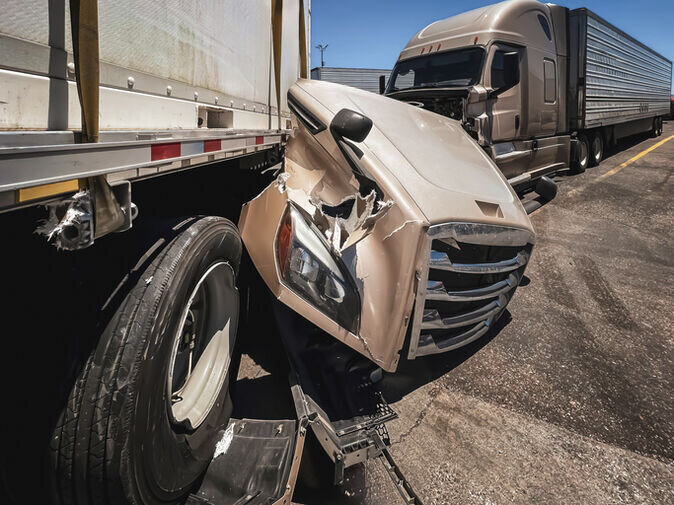
How Fault Is Determined in Rear-End Collisions
In many cases, the driver in the rear is presumed to be at fault in a rear-end collision. Drivers are expected to maintain a safe following distance at all times. When a truck strikes a vehicle from behind, it often suggests that the driver did not stop in time. This creates a starting point for determining liability. It also shapes how insurance companies review the claim.
Fault is not always automatic, and each case requires a full review of the facts. Investigators look at traffic flow, road conditions, and driver behavior before the crash. They analyze whether the lead driver acted reasonably. This process helps build a complete understanding of what occurred. Every detail matters in these cases.
Understanding how fault is determined helps you prepare for the claims process. Insurance companies may try to reduce responsibility by raising questions about your actions. Being informed helps you respond with confidence. It also supports your position during negotiations. Knowledge gives you a stronger foundation.
Common Defenses Used by Truck Drivers
Truck drivers and their insurers often present defenses to limit liability. These arguments aim to shift blame or reduce compensation. Understanding these defenses helps you prepare your response. It also helps you recognize how claims are handled.
Common defenses include:
- The lead vehicle stopped suddenly without warning
- Mechanical issues prevented the truck from stopping
- The lead driver contributed to the crash
- Road conditions made stopping difficult
Each of these arguments must be examined closely. Evidence is used to confirm or challenge these claims. Investigators review records and physical details from the scene. This process helps determine what actually happened. Clear evidence is essential.
These defenses can make the claims process more complex. Insurance companies may rely on them to reduce payouts. Being aware of these strategies helps you stay prepared. It also helps your legal team counter them effectively. Preparation strengthens your case.
Evaluating Sudden Stop Claims
Sudden stop claims are one of the most common defenses in rear-end truck cases. The driver may argue that the vehicle ahead stopped without warning. This defense attempts to shift responsibility to the lead driver. Investigators must determine whether the stop was reasonable. This requires a detailed review of the situation.
In Manhattan traffic, sudden stops are part of normal driving conditions. Drivers are expected to anticipate these changes and maintain control. Failing to do so may still indicate negligence. This makes the sudden stop defense more difficult to support. Each case depends on the facts.
Evidence such as traffic patterns, witness accounts, and vehicle positioning helps clarify the situation. Investigators examine whether the lead driver acted appropriately. This analysis helps determine fault. It also supports your claim. Understanding this process is important.
Mechanical Failure as a Defense
Truck drivers may claim that mechanical failure caused the crash. This can include brake problems or equipment malfunction. These arguments suggest that the driver could not avoid the collision. Investigating this defense requires careful review of maintenance records. These records show whether the truck was properly maintained.
Companies are responsible for keeping vehicles in safe working condition. If they fail to address known issues, they may still be liable. This shifts responsibility back to the trucking company. Maintenance logs and inspection reports provide important evidence. These documents help reveal whether negligence occurred.
Mechanical failure must be proven with clear evidence. Investigators examine whether the issue was preventable. They also review whether proper inspections were completed. This process helps determine liability. It strengthens your claim when negligence is found.
Comparative Fault in New York
New York follows a comparative fault system for accident claims. This means more than one party can share responsibility for a crash. Each party’s percentage of fault affects the final compensation. Understanding this system is important for your case. It helps you evaluate your options.
Even if you are partially at fault, you may still recover damages. Your compensation may be reduced based on your share of responsibility. This approach allows for a fair outcome based on the facts. It reflects the complexity of truck accident cases. Each case is unique.
Understanding comparative fault helps you prepare for negotiations. Insurance companies may try to assign more fault to you. Being informed helps you respond effectively. It also supports your claim for fair compensation. Knowledge makes a difference.
Evidence That Strengthens Your Claim
Strong evidence is essential in rear-end truck accident cases. Investigators gather multiple sources to build a clear picture of what happened. Each piece of evidence adds detail and supports your claim. Acting quickly helps preserve this information. Early action can make a difference.
Accident reports, vehicle damage, and electronic data from the truck are key sources of proof. Photos of the scene can show impact points and road conditions. Witness statements provide additional perspective on how the crash occurred. Together, these elements create a detailed account. This helps establish liability.
You can review general safety and reporting information resources that explain how accidents are documented and analyzed. Being informed helps you understand the process. It also supports your claim. Clear knowledge strengthens your position.
How Manhattan Traffic Affects These Cases
Traffic conditions in Manhattan play a major role in rear-end truck crashes. Congested streets and constant movement create challenging driving conditions. Areas like West Side Highway often experience heavy traffic flow. Drivers must remain alert and maintain safe distances. These conditions increase the risk of collisions.
Stop-and-go traffic requires constant attention and quick reactions. Truck drivers must anticipate sudden changes in speed. Failure to adjust can lead to rear-end impacts. Understanding these conditions helps explain how accidents occur. It also supports your claim.
City driving demands patience and awareness. When drivers rush or lose focus, the risk increases. Investigators consider these factors when determining fault. They help create a complete picture of the crash. This analysis is important for your case.
Steps to Take After a Rear-End Truck Crash
Taking the right steps after a truck crash helps protect your claim. Acting quickly ensures that evidence is preserved. It also helps you stay organized during the process. These actions support your recovery and your case. Early steps can make a difference.
You should seek medical care as soon as possible and follow all treatment recommendations. You should document the accident scene with photos and notes. You should collect witness contact information and keep records of all communication. You should also track expenses related to the crash. These actions create a strong foundation for your claim.
Being proactive helps you stay in control of the situation. It also strengthens your position during negotiations. Organized records support your case. They make it easier to present clear evidence. Taking these steps is important.
Moving Forward With the Right Support
Rear-end truck crashes in Manhattan often involve complex defenses and detailed investigations. Understanding how these cases work helps you protect your rights. Taking the right steps early can strengthen your claim and support your recovery. You deserve guidance that helps you move forward with confidence.
At Horn Wright, LLP, we stand with clients through every stage of the process. We understand how challenging these situations can feel. Our team works to protect your interests and guide you forward.
When you are ready, we are here to help. We focus on your recovery and your future. Strong legal support can make a real difference. We stand with you every step of the way.

What Sets Us Apart From The Rest?
Horn Wright, LLP is here to help you get the results you need with a team you can trust.
-
Client-Focused ApproachWe’re a client-centered, results-oriented firm. When you work with us, you can have confidence we’ll put your best interests at the forefront of your case – it’s that simple.
-
Creative & Innovative Solutions
No two cases are the same, and neither are their solutions. Our attorneys provide creative points of view to yield exemplary results.
-
Experienced Attorneys
We have a team of trusted and respected attorneys to ensure your case is matched with the best attorney possible.
-
Driven By Justice
The core of our legal practice is our commitment to obtaining justice for those who have been wronged and need a powerful voice.