


Road Defects and Work Zones in Manhattan Truck Crashes When the City Shares Fault
Manhattan Road Hazards and Construction Risks for Truck Traffic
You expect the road beneath you to stay stable and predictable as you move through Manhattan traffic. That expectation matters more when large trucks share tight streets and limited space.
When pavement breaks apart or construction zones shift lanes without clear guidance, the risk rises quickly. A truck that hits a deep defect or enters a poorly marked lane change can lose stability in seconds. In crowded areas near the FDR Drive, that loss of control can lead to serious collisions.
At Horn Wright, LLP, our Manhattan truck crash attorneys focus on uncovering what the roadway looked like before the crash. You may not know whether a defect or work zone contributed to what happened. That uncertainty can make recovery feel more complicated while you deal with injuries and disruption.
Our team works to gather photos, inspection records, and maintenance reports that show the true condition of the road. These details help explain whether the crash could have been prevented. You deserve clear answers and a path forward that protects your future.
Why Road Conditions Matter in Manhattan Truck Crashes
Road conditions influence how trucks respond to every movement in traffic. Manhattan streets require constant braking, turning, and adjustment. A stable surface allows drivers to maintain control and react to changing conditions. When that surface becomes uneven or damaged, the truck may respond unpredictably. This can lead to sudden shifts that affect nearby vehicles.
Heavy traffic amplifies the impact of road defects. Vehicles travel close together, and drivers rely on consistent movement from others. When a truck reacts to a pothole or broken pavement, other drivers may not have enough time to respond. This can cause multi-vehicle collisions and widespread damage. The size of the truck increases the severity of these outcomes.
Weather and drainage issues can make these hazards harder to detect. Water can collect in damaged areas and hide defects from view. Drivers may not see the problem until they reach it. These factors show how road conditions directly affect safety. Proper maintenance helps reduce these risks and supports smoother traffic flow.
Common Road Defects That Contribute to Truck Accidents
Certain road defects appear frequently in Manhattan and create challenges for truck drivers. These hazards develop over time and worsen when repairs are delayed. Each defect affects how a truck moves and maintains stability. Understanding these issues helps explain how accidents occur. It also highlights the importance of consistent maintenance.
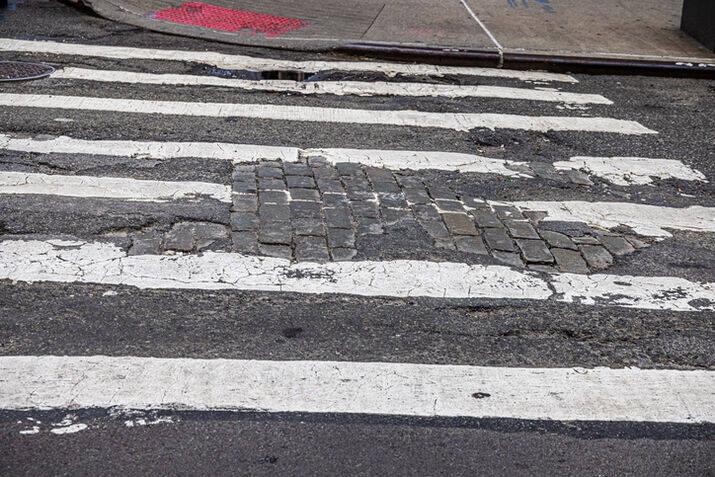
Potholes can disrupt a truck’s balance and affect steering control. Broken pavement creates uneven surfaces that challenge stability. Poor drainage can lead to standing water, which reduces traction and hides defects. Missing or faded lane markings make it harder for drivers to stay aligned. These conditions create uncertainty for drivers navigating busy streets.
These defects often appear together, increasing the level of risk. A damaged surface combined with unclear markings can confuse drivers and lead to mistakes. Trucks require more space and time to adjust to these conditions. When defects remain unaddressed, the likelihood of accidents increases. Identifying these patterns helps establish contributing factors in a crash.
How Work Zones Change Driving Conditions for Trucks
Work zones introduce new variables that affect how trucks move through Manhattan. Construction projects often narrow lanes and shift traffic patterns. These changes require drivers to adjust quickly while managing large vehicles. Without clear guidance, confusion can develop. Trucks need more time and space to respond to sudden changes.
Temporary barriers and cones alter the flow of traffic. Drivers must follow new paths that may differ from familiar routes. This can create uncertainty, especially in high-traffic areas. A truck that misjudges a lane shift may drift into another lane or strike nearby objects. These situations can lead to collisions.
Clear signage helps guide drivers through work zones. When signs are missing or unclear, drivers may not understand how to adjust. This increases the risk of error. Proper planning and communication reduce these risks. Work zones must be managed carefully to protect all road users.
The City’s Duty to Maintain Safe Roadways
The city has a responsibility to maintain roads and manage construction zones safely. This duty includes repairing defects and providing clear warnings about hazards. Agencies must monitor road conditions and respond to issues promptly. They must also ensure that work zones follow safety standards. These responsibilities protect drivers and pedestrians.
Maintenance efforts involve regular inspections and repairs. Crews must address potholes, broken pavement, and drainage problems. They must also maintain lane markings and signage. These actions help keep roads predictable and safe. When maintenance falls behind, the risk of accidents increases.
These guidelines reflect the city’s obligation to the public. When the city fails to meet these standards, it may share responsibility for resulting crashes. Understanding this duty helps explain how liability can extend beyond the driver.
When the City Can Share Fault in a Truck Crash
The city may share fault when road defects or unsafe work zones contribute to a crash. This can occur when hazards remain unaddressed or warnings are insufficient. If a pothole or damaged surface affects a truck’s movement, the city’s role becomes part of the analysis. Poorly marked construction zones can also create confusion that leads to accidents. These conditions can shift part of the responsibility to the city.
Shared fault does not remove responsibility from the driver or trucking company. Instead, it reflects the combined impact of multiple factors. Investigators examine how each element contributed to the crash. This includes the condition of the road, the actions of the driver, and the behavior of other vehicles. Each factor plays a role in determining liability.
Claims involving shared fault require strong evidence. Documentation must show how the road condition affected the incident. This may include photos, reports, and expert analysis. Establishing the city’s role can strengthen a claim and support recovery. Understanding these dynamics helps guide the legal process.
Where Road Defects and Work Zone Risks Commonly Appear in Manhattan
Certain areas in Manhattan experience more road defects and construction activity than others. High-traffic routes and aging infrastructure often require frequent repairs. These conditions create ongoing exposure to hazards. Drivers who travel through these areas may encounter defects more often. Recognizing these locations helps explain where risks concentrate.
Bridge approaches and major corridors often experience heavy wear. Areas leading into the Lincoln Tunnel see frequent maintenance work. Construction zones may appear with little notice and change traffic patterns quickly. These shifts require drivers to adjust without delay. Trucks may struggle to adapt in these conditions.
Busy intersections and delivery zones also present challenges. Frequent stops and heavy loads place stress on road surfaces. Over time, this can lead to damage that affects stability. When combined with construction activity, these conditions increase risk. Understanding where these issues occur helps identify contributing factors in a crash.
Evidence That Shows Road Conditions Contributed to a Crash
Evidence plays a central role in showing how road conditions contributed to a crash. Each piece helps build a clear timeline of events. Photos and videos capture the condition of the road at the time of the incident. These images show defects, signage, and layout changes. They provide a visual record that supports the claim.
Maintenance records and inspection reports reveal whether the city knew about the issue. These documents show when repairs were scheduled and completed. They also indicate whether complaints were made about the same location. Witness statements can add context and describe what drivers observed. These accounts help explain how the conditions affected the crash.
Additional context from the National Highway Traffic Safety Administration helps explain safety expectations. This information supports comparisons between actual conditions and required standards. Together, these elements create a strong foundation for a claim. They connect the road condition to the crash outcome.
Moving Forward After a Crash Involving Road Conditions
Road defects and work zones create risks that can lead to serious harm on Manhattan streets. Maintenance records, inspection reports, and visual evidence can reveal what went wrong and who shares responsibility.
When you face injuries after a truck crash, understanding these details helps you make informed decisions. You deserve support and a clear path forward as you navigate this process. Acting quickly helps preserve evidence and protect your claim.
Our trusted Manhattan truck accident attorneys at Horn Wright, LLP, can review the evidence, identify contributing factors, and guide you through your legal options. We work to secure records, analyze road conditions, and connect those details to your injuries.
We focus on building a strong case that reflects the full impact of what happened. Reaching out now can make a difference in how your case moves forward.

What Sets Us Apart From The Rest?
Horn Wright, LLP is here to help you get the results you need with a team you can trust.
-
Client-Focused ApproachWe’re a client-centered, results-oriented firm. When you work with us, you can have confidence we’ll put your best interests at the forefront of your case – it’s that simple.
-
Creative & Innovative Solutions
No two cases are the same, and neither are their solutions. Our attorneys provide creative points of view to yield exemplary results.
-
Experienced Attorneys
We have a team of trusted and respected attorneys to ensure your case is matched with the best attorney possible.
-
Driven By Justice
The core of our legal practice is our commitment to obtaining justice for those who have been wronged and need a powerful voice.