


Truck Crash Evidence Checklist What To Photograph in Manhattan
Photo Evidence Steps After a Manhattan Truck Crash
After a truck crash in Manhattan, most people feel extremely stressed out and unsure of what to do next. The scene can feel chaotic, loud, and difficult to process in real time. Photos give you a way to capture what actually happened before anything changes. They freeze the moment and preserve details that may disappear quickly. This can make a meaningful difference later when you need to explain your experience.
At Horn Wright, LLP, our Manhattan truck accident lawyers help clients understand how to protect their claims from the start. We know how overwhelming this moment can feel, and we step in to guide you through it. You do not have to guess what matters or what to capture. Our team works to take that stress off your shoulders and help you focus on recovery. Taking the right photos early can strengthen your position later.
Photos also help show conditions that cannot be recreated later. Vehicles are moved, debris is cleared, and traffic patterns return to normal. Without images, these details may be lost forever. Clear documentation gives your legal team something solid to work with. That foundation can support your claim in a powerful way.
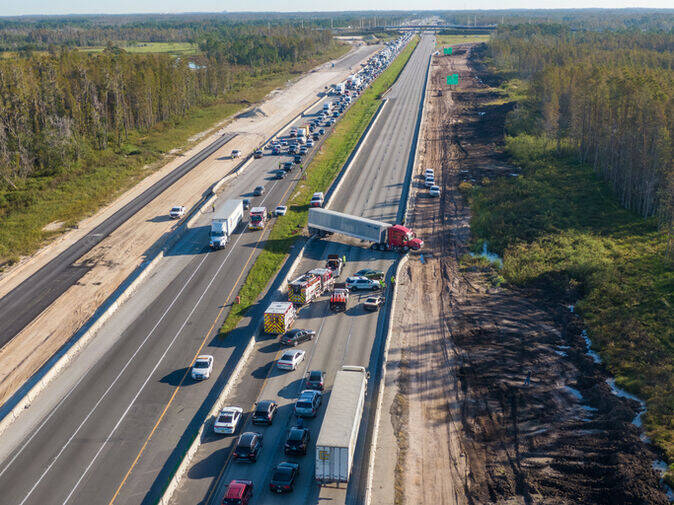
Start With Wide Shots of the Entire Scene
Wide photos help establish the full context of the crash. They show where everything happened and how the scene looked at the time. This includes nearby buildings, intersections, and traffic flow. In Manhattan, crowded streets can make these details even more important. A full view helps others understand how the crash unfolded.
Take photos from different angles to capture the entire scene. Include both directions of traffic and any nearby landmarks. This gives a better sense of how vehicles were moving before the crash. These images can help explain timing and positioning. They provide a strong visual overview.
Do not rush this step if it is safe to move around. Walk carefully and take multiple shots from different positions. This ensures you do not miss important details. Wide shots help build the story of what happened. They create a strong starting point for your evidence.
Capture Vehicle Positions Before They Move
The position of each vehicle tells an important part of the story. It shows how the crash occurred and where the impact happened. Once vehicles are moved, this information is lost. Taking photos early helps preserve these critical details. This can support your claim later.
Focus on the location and direction of each vehicle. Capture how close they are to each other and their placement on the road. These details help reconstruct the sequence of events. They also provide useful information for investigators. Clear images can help clarify fault.
Take both wide and close photos of vehicle positions. This gives a complete view of the scene. Even small differences in position can matter later. Careful documentation helps ensure accuracy. It strengthens your overall case.
Photograph All Vehicle Damage Clearly
Vehicle damage provides strong visual evidence of the crash. It shows the force and direction of impact. Take clear photos of dents, scratches, and broken parts. Include both close-up and mid-range images. This helps show the full extent of damage.
Photograph every vehicle involved, not just your own. This includes the truck and any other cars. Damage patterns can reveal important details about the collision. These images may be used during investigations. They can support expert analysis.
Make sure your photos are clear and well-lit. Avoid blurry images or poor angles. Take multiple shots to capture every detail. Accurate photos can strengthen your claim. They provide reliable evidence of what happened.
Document Road Conditions and Traffic Controls
Road conditions can play a major role in a truck crash. Capturing these details helps explain how the accident occurred. Take photos of traffic lights, signs, and lane markings. Include any construction zones or unusual road features. These elements can influence driver behavior.
Busy routes like FDR Drive can change quickly. Documenting the scene at the time of the crash is important. Traffic flow, barriers, and road hazards may not remain the same. Photos preserve these details for later use. They help explain the environment.
Lighting also affects visibility. Take photos that show shadows, streetlights, and overall brightness. These factors can influence how drivers react. Clear images provide context for the crash. They support your version of events.
Capture Skid Marks, Debris, and Impact Points
Physical evidence on the road can reveal how the crash happened. Skid marks show braking patterns and movement. Debris marks where the impact occurred. These details help explain the sequence of events. Capturing them early is important.
Take close-up photos of skid marks and debris. Also include wider shots to show their position on the road. This combination provides both detail and context. These images can support further analysis. They help clarify what happened.
Look for broken glass, tire marks, and damaged pavement. These details may not last long due to traffic or weather. Taking photos preserves this evidence. This step strengthens your claim. It ensures that key details are not lost.
Photograph Injuries and Truck-Specific Details
Documenting injuries can support your claim when done carefully. Take photos of visible injuries as soon as possible. This helps show the immediate impact of the crash. These images can become important evidence later. They connect your injuries to the accident.
Be respectful and mindful when taking these photos. Focus on clear documentation without causing discomfort. Take multiple angles to capture the full extent of injuries. This creates a more complete record. Follow-up photos can show healing over time.
Truck-specific details also matter. Capture license plates, company logos, and identifying numbers. These details help identify responsible parties. Clear documentation supports your case and helps build accountability.
Organize and Share Your Photos Properly
After taking photos, organizing them is the next step. Keep your images in a secure and easy-to-access location. Label files with dates and descriptions when possible. This helps you find specific photos later. Staying organized reduces stress.
Back up your photos to prevent loss. Use cloud storage or another secure option. This ensures your evidence remains safe. Losing photos can weaken your case. Protecting your files is important.
Share your photos with your attorney as soon as possible. They can review and use them to build your case. Early sharing helps preserve the value of your evidence.
Moving Forward With Strong Evidence
After a truck crash, taking clear photos can help protect your rights. These images preserve the scene and support your claim. Acting quickly ensures that key details are not lost. This step can make a meaningful difference in your case. You deserve support that helps you move forward.
At Horn Wright, LLP, we help clients build strong cases with the right evidence. Our Manhattan truck accident lawyers understand how important these details can be. We guide you through every step of the process.
When you are ready, we are here to help. We focus on your recovery and your future. Strong legal support can make a real difference. We stand with you every step of the way.

What Sets Us Apart From The Rest?
Horn Wright, LLP is here to help you get the results you need with a team you can trust.
-
Client-Focused ApproachWe’re a client-centered, results-oriented firm. When you work with us, you can have confidence we’ll put your best interests at the forefront of your case – it’s that simple.
-
Creative & Innovative Solutions
No two cases are the same, and neither are their solutions. Our attorneys provide creative points of view to yield exemplary results.
-
Experienced Attorneys
We have a team of trusted and respected attorneys to ensure your case is matched with the best attorney possible.
-
Driven By Justice
The core of our legal practice is our commitment to obtaining justice for those who have been wronged and need a powerful voice.