


How Reconstruction Experts Prove Speed and Braking in Manhattan Truck Crashes
Manhattan Crash Analysis Starts With Measured Evidence
You want clear answers after a truck crash, especially when the impact leaves you dealing with injuries and uncertainty. In Manhattan, traffic stays tight, and small differences in speed or braking can change everything.
Reconstruction experts study the crash scene and collect data that shows how the truck moved before impact. They focus on speed, braking, and timing to build a clear sequence of events. In busy areas near the FDR Drive, that level of detail can explain how the crash unfolded.
At Horn Wright, LLP, our dedicated Manhattan truck accident attorneys work with reconstruction experts to uncover the facts. You may not know how fast the truck was traveling or whether the driver tried to stop in time. That uncertainty can make recovery feel more difficult. Our team gathers physical evidence, digital records, and expert analysis to build a complete picture. These efforts help show whether the crash could have been prevented.
You deserve answers that support your next steps. Reconstruction analysis turns complex data into clear explanations. Speaking with Manhattan truck accident attorneys can help you access this expertise early. Acting quickly helps preserve evidence and strengthens your claim.
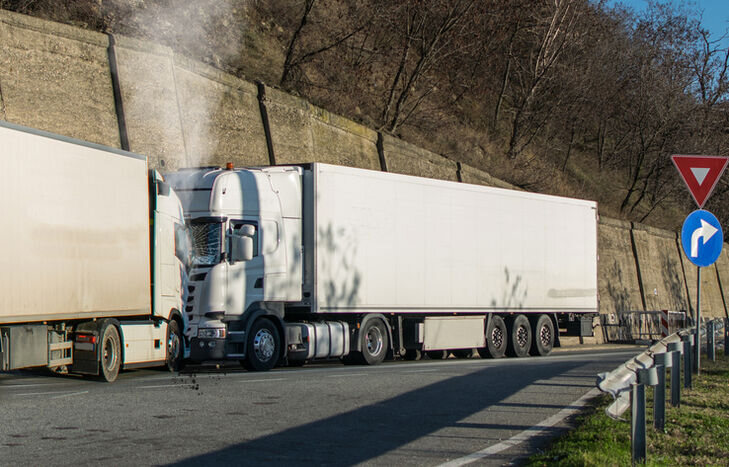
How Experts Calculate Speed From Physical Evidence
Reconstruction experts rely on physical evidence to estimate speed. They examine skid marks, vehicle damage, and road conditions. Each piece of evidence provides clues about how the truck was moving. By analyzing these clues, experts can calculate approximate speed. This process helps create a reliable estimate.
Skid marks often provide valuable information. Their length and pattern can indicate how quickly the truck was traveling before braking. Experts measure these marks and apply formulas to estimate speed. They also consider road surface conditions, such as wet or dry pavement. These factors affect how the truck responded.
Vehicle damage also plays a role in speed analysis. The extent and location of damage can show the force of impact. Experts compare this damage to known standards. This helps confirm whether the estimated speed aligns with the physical evidence. Together, these methods create a consistent picture.
How Braking Evidence Reveals Driver Reaction
Braking evidence shows how a driver responded before a crash. Experts look for signs of braking, such as skid marks or changes in tire patterns. These signs indicate when the driver applied the brakes. They also reveal how the truck reacted. This information helps determine whether the driver acted in time.
The timing of braking is critical. Experts analyze when the driver began to slow down. They compare this timing to the distance available to stop. This helps determine whether the driver reacted appropriately. Delayed braking can indicate inattention or fatigue.
Braking patterns also provide insight into control. Smooth, consistent marks suggest controlled braking. Irregular patterns may indicate sudden or uneven pressure. These details help explain how the driver handled the situation. They contribute to a clearer understanding of the crash.
The Role of Black Box Data in Speed and Braking Analysis
Digital data from a truck’s Engine Control Module supports reconstruction analysis. This system records speed, braking activity, and engine performance. Experts use this data to confirm findings from physical evidence. It provides a precise record of the truck’s behavior. This helps strengthen conclusions.
The ECM records speed at specific moments before the crash. It also tracks when the driver applied the brakes. This information creates a timeline of events. Experts compare this timeline to other evidence. This helps ensure accuracy.
Combining digital data with physical evidence creates a stronger analysis. Each source supports the other. This reduces uncertainty and improves reliability. Investigators rely on both types of data to build a complete picture. This approach helps explain what happened.
Why Timing and Distance Matter in Manhattan Traffic
Timing and distance play a major role in Manhattan truck crashes. Drivers must react quickly in crowded conditions. Even a small delay can affect the outcome. Reconstruction experts analyze how much time the driver had to respond. They also examine the distance available for stopping.
In dense traffic, space is limited. Trucks require more distance to stop than smaller vehicles. Experts calculate stopping distance based on speed and road conditions. This helps determine whether the driver had enough time to avoid the crash. It also shows whether the driver acted appropriately.
These calculations provide important context. They explain how the crash developed in a specific environment. In Manhattan, where traffic patterns change rapidly, this analysis becomes essential. It helps clarify responsibility and supports a stronger case.
How Road Conditions Affect Speed and Braking Analysis
Road conditions influence how a truck responds to braking and movement. Experts consider factors such as pavement quality, weather, and surface texture. These elements affect traction and stopping distance. Understanding these conditions helps explain how the truck behaved.
Wet or uneven surfaces can reduce traction. This makes it harder for a truck to stop quickly. Experts adjust their calculations to account for these factors. They also examine whether road defects played a role. This helps create a more accurate analysis.
Construction zones and debris can also affect movement. These conditions may change how a driver reacts. Experts include these factors in their evaluation. This ensures that the analysis reflects real-world conditions. It strengthens the overall conclusion.
Tools and Technology Used in Reconstruction
Reconstruction experts use specialized tools to analyze crashes. These tools help measure, record, and interpret evidence. Technology plays a key role in creating accurate models. Experts rely on these tools to support their findings. Each tool adds detail to the analysis.
Laser measuring devices help capture precise dimensions at the scene. These measurements support calculations related to speed and distance. Computer software allows experts to create simulations. These simulations show how the crash may have occurred. They provide a visual representation of events.
Data analysis tools help interpret digital records. Experts use these tools to review ECM data and other information. This helps identify patterns and confirm findings. The combination of tools and expertise creates a reliable analysis. It supports a clear explanation of the crash.
How Experts Present Findings in a Truck Accident Case
Reconstruction experts present their findings in a clear and structured way. They explain how they collected and analyzed evidence. Their reports include calculations, diagrams, and conclusions. This information helps others understand the analysis. It supports the case.
Experts may also testify in court. They explain their methods and answer questions about their findings. This helps clarify complex information. Their testimony can strengthen the case by providing expert insight. It helps establish credibility.
Clear presentation is important. Complex data must be explained in a way that others can understand. Experts focus on making their findings accessible. This helps ensure that the evidence is used effectively. It supports a fair outcome.
What Reconstruction Evidence Can Prove in Your Case
Reconstruction evidence can provide clear answers about speed and braking. It can show how fast the truck was traveling and when the driver reacted. This information helps establish whether the driver acted responsibly. It also shows whether the crash could have been avoided. These details play a key role in determining fault.
The evidence can support or challenge claims made by drivers and companies. For example, it can confirm whether the driver attempted to stop in time. It can also reveal whether speed contributed to the crash. This helps clarify conflicting accounts. Objective analysis provides a reliable foundation.
Combining reconstruction findings with other evidence strengthens the case. Witness statements, video footage, and digital data all contribute. Together, these elements create a complete picture. This supports efforts to recover compensation. It helps ensure responsibility is assigned correctly.
Moving Forward After a Crash With Expert Analysis
Reconstruction experts provide valuable insight into how a truck crash occurred. Their analysis helps explain speed, braking, and timing. When you face injuries after a crash, this information can help you understand your situation. You deserve a clear path forward and support during this process. Acting early helps preserve evidence and protect your claim.
Our trusted Manhattan truck accident lawyers at Horn Wright, LLP, can work with reconstruction experts to build your case. We gather evidence, analyze data, and connect it to your injuries. We focus on creating a strong and accurate representation of what happened. Taking action now can help you move forward with confidence.

What Sets Us Apart From The Rest?
Horn Wright, LLP is here to help you get the results you need with a team you can trust.
-
Client-Focused ApproachWe’re a client-centered, results-oriented firm. When you work with us, you can have confidence we’ll put your best interests at the forefront of your case – it’s that simple.
-
Creative & Innovative Solutions
No two cases are the same, and neither are their solutions. Our attorneys provide creative points of view to yield exemplary results.
-
Experienced Attorneys
We have a team of trusted and respected attorneys to ensure your case is matched with the best attorney possible.
-
Driven By Justice
The core of our legal practice is our commitment to obtaining justice for those who have been wronged and need a powerful voice.