


Manhattan Civil Rights Lawyers
Protecting Your Rights to Help You Fight Back
When your rights are violated in Manhattan, the damage can hit every part of your life. Maybe you were arrested without cause. Maybe officers used force they had no right to use. Maybe they ignored your medical needs in custody, stood by while another officer crossed the line, or filed a report that twisted what really happened. You may feel angry, humiliated, scared, and extremely stressed out.
At Horn Wright, LLP, our Manhattan civil rights attorneys help people stand up to abuse of power. We know these cases can feel intimidating because the other side may include the NYPD, New York City, public officials, or government lawyers. Our team can take that pressure off your shoulders, preserve key evidence, and fight for accountability while you focus on rebuilding your life.
Manhattan Civil Rights Cases Start With What Happened and Who Was Responsible
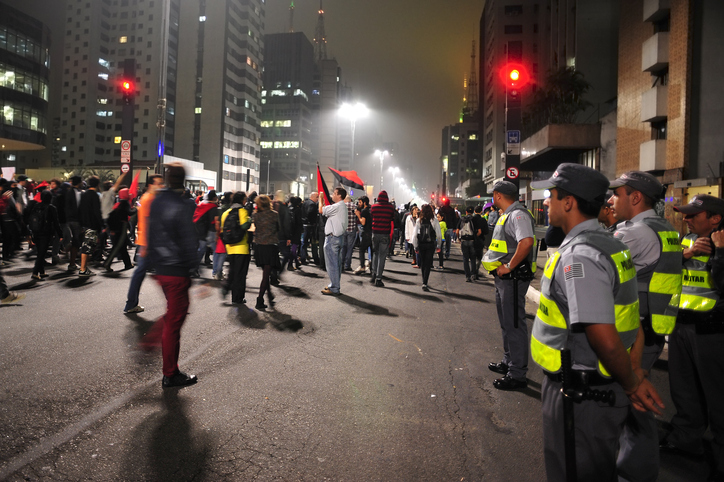
Civil rights cases in Manhattan can involve false arrest, excessive force, malicious prosecution, unlawful searches, failure to intervene, denial of medical care in custody, First Amendment retaliation, due process violations, and other misconduct by public officials. Some cases focus on one officer’s actions. Others focus on supervisors, policies, training failures, or patterns inside an agency.
Many federal civil rights lawsuits are brought under Section 1983. That law allows a person to seek relief when someone acting under color of state law deprives them of rights protected by the Constitution or federal law.
That sounds technical. In plain English, Section 1983 can apply when a government actor uses official power in a way that violates your rights.
These cases often turn on details. Who touched you? Who gave orders? Who stood nearby? Who wrote the report? Who reviewed it? Who denied medical care? Who ignored video, witnesses, or evidence that helped you?
Liability can include more than direct force. An officer may be responsible for failing to intervene if they had a realistic chance to stop another officer from violating your rights. A supervisor may be responsible in limited situations when their own actions, decisions, or failures helped cause the violation. The City may be responsible only when the violation was tied to an official policy, custom, practice, or failure to train.
That last category is known as a Monell claim. Local governments can be sued under Section 1983, but municipal liability must be tied to an official policy or custom rather than simple respondeat superior liability.
NYC Notice of Claim and Civil Rights Deadlines Can Create Dangerous Time Traps
Deadlines in Manhattan civil rights cases can be brutal. Some are short. Some depend on the type of claim. Some apply to state-law claims against New York City or NYPD employees, while others apply to federal civil rights claims.
For many tort claims against New York City or its employees, a notice of claim must be served within 90 days after the claim arises. A notice of claim is not the lawsuit. It is a formal filing that preserves certain claims against the City. Missing it can create serious problems. Federal Section 1983 claims in New York often use a three-year limitations period borrowed from New York personal injury law.
But do not treat three years as a reason to wait. Evidence can disappear in days. Body cam footage can become harder to obtain. 911 audio, dispatch records, surveillance video, medical records, and witness memories can fade or vanish. If criminal charges are pending, timing gets even more sensitive.
Criminal Case, Dismissal, ACD, Guilty Plea, and Sealed Records
A civil rights case may move alongside a criminal case. That overlap can be stressful. You may want to bring a claim right away, but you may also need to avoid saying anything that could hurt your defense.
The outcome of the criminal case can matter.
A dismissal may help certain civil claims, especially claims tied to false charges or malicious prosecution. An ACD, or adjournment in contemplation of dismissal, may create a more complicated record because it is not the same as an outright finding that the arrest was wrong. A guilty plea can create real barriers, depending on what you admitted and how the civil claim is framed.
That does not mean every guilty plea destroys every civil rights claim. A person may still have claims involving excessive force, denial of medical care, illegal search issues, or other misconduct depending on the facts. But the plea must be reviewed carefully.
A sealed case can also affect strategy. Sealing may protect privacy, but it does not always make records vanish for civil litigation. Lawyers may need court orders, releases, or specific procedures to obtain records.
The safest approach is simple: do not assume the criminal outcome tells the whole civil rights story. The arrest, force, search, detention, medical care, paperwork, and prosecution decisions all need separate review.
Evidence That Can Make or Break a Manhattan Civil Rights Claim
Civil rights claims often come down to proof. Your memory matters, but it may not be enough by itself. Officers may dispute identity. Reports may omit key facts. Video may be missing. Witnesses may be hard to find. That is why early evidence preservation matters so much.
Helpful evidence may include:
- Timeline notes, witness names, photos, videos, and social media posts from the scene
- Body cam footage, surveillance video, 911 calls, dispatch audio, and radio runs
- Medical records, jail records, injury photos, prescriptions, and mental health records
- Criminal case documents, dismissal records, complaints, reports, and officer paperwork
Body cam footage can be powerful, but it may not show everything. The camera may face the wrong direction. Audio may be unclear. The recording may start late. Missing video can raise serious questions, especially if footage should have existed. 911 calls and dispatch audio may show what officers knew before they arrived. Store cameras, apartment cameras, doorbell footage, bus cameras, and bystander videos may show what reports left out.
Medical records matter too. They can prove injuries, delayed treatment, PTSD symptoms, pain, bruising, fractures, nerve issues, anxiety, or the consequences of denied care in custody. Tell providers what happened clearly. Do not exaggerate. Do not minimize. Accuracy helps.
CCRB Complaints, Brady/Giglio Material, and Police Records
A CCRB complaint can help create a record of misconduct, but it is not the same as a lawsuit. A CCRB complaint may help identify officers, preserve a timeline, and reveal whether similar complaints exist. But CCRB findings do not automatically win a civil case. The civil lawsuit still needs evidence, legal claims, damages proof, and litigation strategy.
Brady and Giglio material can also matter. These terms often refer to information that may help a criminal defendant, including evidence that could impeach an officer’s credibility. In a civil rights case, officer credibility can be central. Prior misconduct, false statements, disciplinary history, or credibility issues may affect how a case is investigated and proven.
Police disciplinary record access has changed in New York. Civil Rights Law Section 50-a, which had restricted access to certain police disciplinary records, was repealed in 2020. Still, getting and using those records can involve discovery fights, redactions, protective orders, and legal limits.
Common Defense Tactics in Manhattan Civil Rights Cases
Civil rights defendants often fight hard. They may say the officers acted reasonably. They may claim your injuries happened some other way. They may argue the video does not show what you say it shows. They may blame you because charges were filed. They may say officers could not identify who did what.
Qualified immunity is another defense. It can protect government officials from liability unless they violated clearly established statutory or constitutional rights.
That defense can feel maddening. It does not mean your rights were not violated. It means the court may also ask whether the law was clearly established in a way that gave the official fair notice.
Other defenses may include probable cause, reasonable force, lack of personal involvement, no municipal policy, no damages, inconsistent statements, or failure to mitigate harm. These defenses are not the end of the story. They are part of the fight. Strong cases answer them with video, medical proof, timelines, officer identification, witness accounts, expert analysis, and careful legal framing.
Damages, Compensation, and Accountability in Civil Rights Cases
A Manhattan civil rights claim may seek compensation for both economic and human losses. The harm may include medical bills, lost income, emotional distress, PTSD, humiliation, pain, fear, damaged reputation, and loss of liberty.
Damages may include:
- Physical injuries, medical bills, therapy, and future care
- Lost wages, missed work, and reduced earning ability
- Emotional distress, PTSD, humiliation, fear, and anxiety
- Loss of freedom from unlawful arrest or detention
- Out-of-pocket costs and other proven financial losses
Punitive damages may be available in some civil rights cases against individual defendants when the conduct was especially reckless or malicious. They are not awarded in every case. They are meant to punish and deter, not simply compensate.
Injunctive relief may also matter in some cases. That can involve court orders aimed at changing conduct, policies, or practices. Not every case is suited for that kind of relief, but it can be important where a policy or pattern continues to harm people.
Attorney fees are another key issue. Federal civil rights law can allow prevailing plaintiffs to recover reasonable attorney’s fees in certain cases. That rule can make it possible to pursue cases where the constitutional harm is real, even if the economic damages are not huge.
How Manhattan Civil Rights Lawsuits Move From Investigation to Resolution
Civil rights cases take time. Some settle before a lawsuit. Others require filing in court, discovery, depositions, expert review, mediation, and trial preparation.
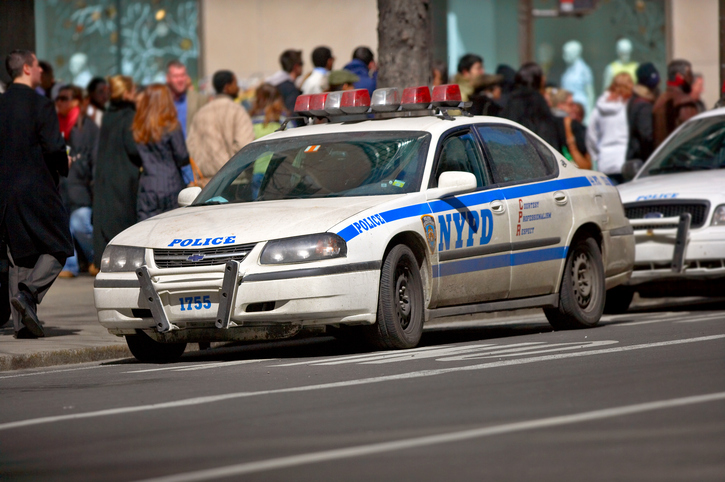
After a lawsuit is filed, discovery can include demands for body cam footage, NYPD records, dispatch audio, 911 calls, complaint histories, training records, use-of-force reports, medical records, arrest paperwork, and internal communications. Depositions may include you, officers, supervisors, witnesses, medical providers, and experts.
Experts may help with video forensics, police practices, use of force, medical causation, emotional trauma, or damages. If video is missing, experts and discovery may help show whether it should have been preserved and what its absence means.
Mediation can help when both sides understand the risks and want to resolve the case. Trial may be needed when the defense refuses to accept responsibility or undervalues the harm.
Settlements can involve confidentiality terms, public records issues, liens, taxes, and payout structure. Some cases use lump sums. Others may involve structured settlements, especially when long-term care, minors, or financial planning concerns exist.
When a Manhattan Civil Rights Case Is Too Serious to Handle Alone
Civil rights cases are legally demanding and emotionally heavy. Legal help may make a major difference when charges are pending, video must be preserved, officers dispute identity, medical care was denied, a notice of claim deadline is close, or the City denies responsibility.
A civil rights lawyer can investigate the incident, preserve evidence, file required notices, review the criminal case, request body cam footage, identify officers, pursue discovery, work with experts, calculate damages, and push back against qualified immunity and other defenses.
Focused resources can answer deeper questions, such as NYC notice of claim basics for Manhattan civil rights cases, how Section 1983 claims work, what Monell claims require, how body cam footage is preserved, and what to expect in a Manhattan civil rights lawsuit.
Talk With Horn Wright, LLP About Your Manhattan Civil Rights Claim
After a civil rights violation, you deserve answers, dignity, and a legal team ready to take the burden off your shoulders. Horn Wright, LLP represents people in Manhattan civil rights claims involving false arrest, excessive force, unlawful searches, failure to intervene, denial of medical care, malicious prosecution, supervisory liability, Monell claims, and other abuses of power.
Our attorneys know how to preserve evidence, confront defense tactics, and seek accountability when officials cross the line. You’ve already been through enough. Let our team carry the legal pressure while you focus on your health, your future, and your life.

What Sets Us Apart From The Rest?
Horn Wright, LLP is here to help you get the results you need with a team you can trust.
-
Client-Focused ApproachWe’re a client-centered, results-oriented firm. When you work with us, you can have confidence we’ll put your best interests at the forefront of your case – it’s that simple.
-
Creative & Innovative Solutions
No two cases are the same, and neither are their solutions. Our attorneys provide creative points of view to yield exemplary results.
-
Experienced Attorneys
We have a team of trusted and respected attorneys to ensure your case is matched with the best attorney possible.
-
Driven By Justice
The core of our legal practice is our commitment to obtaining justice for those who have been wronged and need a powerful voice.