


Punitive Damages in Manhattan Civil Rights Lawsuits: When They Apply
Understanding Punitive Damages in Manhattan Civil Rights Cases
Civil rights lawsuits often focus on compensating individuals for the harm they suffered after a violation of constitutional rights. These cases may involve injuries from excessive force, wrongful arrests, or mistreatment while in custody. While many lawsuits seek compensation for medical bills, lost income, or emotional distress, another type of damages may also come into play in certain cases. These are known as punitive damages.
Punitive damages are different from other forms of compensation. Instead of focusing only on the losses suffered by the victim, punitive damages address the seriousness of the misconduct itself. Courts may award them when the actions of a government official demonstrate particularly reckless or intentional disregard for constitutional rights.
The Manhattan civil rights attorneys at Horn Wright, LLP, review the facts of each civil rights case to determine whether punitive damages may be appropriate. These damages are not available in every lawsuit, and courts apply specific legal standards before allowing them to be considered. Understanding how punitive damages work helps explain why some civil rights cases involve additional accountability beyond basic compensation.
How Punitive Damages Differ From Other Civil Rights Compensation
Civil rights lawsuits generally involve two primary types of damages. The first type, known as compensatory damages, is designed to reimburse the injured person for losses caused by the violation. These damages may include medical expenses, lost income, and emotional distress resulting from the incident.
Punitive damages serve a different purpose. Instead of focusing on the victim’s losses, they address the behavior of the person who committed the violation. Courts use punitive damages to discourage similar misconduct in the future and to emphasize the seriousness of the constitutional violation.
Because punitive damages serve this broader purpose, they are not automatically available in every civil rights lawsuit. Courts require clear evidence showing that the defendant’s conduct went beyond ordinary negligence. The actions must reflect a conscious disregard for constitutional protections or an intentional violation of those rights.
Judges evaluate the evidence carefully before allowing a jury to consider punitive damages. The legal threshold is higher than the standard required for ordinary compensatory damages. Understanding this distinction helps explain why punitive damages are reserved for specific types of civil rights violations.
The Legal Standard Courts Use to Evaluate Punitive Damages
Courts reviewing punitive damages claims examine whether the defendant’s conduct was particularly egregious. The legal standard typically focuses on whether the government official acted with malicious intent or showed reckless indifference to the plaintiff’s constitutional rights.
Malicious intent involves deliberate actions intended to harm someone or violate their rights. Reckless indifference occurs when an official knowingly disregards a substantial risk that their actions will violate constitutional protections.
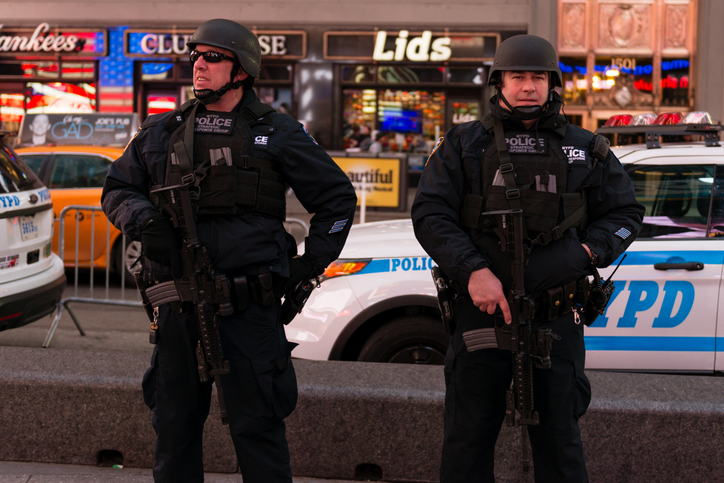
In civil rights cases involving police officers, courts may examine whether the officer used force unnecessarily, fabricated evidence, or knowingly made a wrongful arrest. These types of actions may indicate that the officer understood the legal boundaries but chose to ignore them.
The legal analysis often involves reviewing evidence such as body camera footage, witness statements, and police reports. Courts examine the full context of the encounter to determine whether the officer’s conduct meets the standard required for punitive damages. Because this standard focuses on the intent and awareness of the defendant, the evidence surrounding the incident plays a crucial role in the court’s decision.
Situations Where Punitive Damages May Be Considered
Punitive damages are most often considered in cases where the misconduct involves clear abuse of authority. When government officials act in ways that demonstrate deliberate disregard for constitutional rights, courts may allow juries to consider punitive damages.
Civil rights cases that may involve punitive damages sometimes include:
- Excessive force used without justification during an arrest
- Fabrication or manipulation of evidence by law enforcement officers
- Intentional violations of free speech or protest rights
- Retaliation against individuals who report misconduct
- Deliberate mistreatment of detainees while in custody
Each case depends on its specific facts. Courts evaluate the actions of the defendant and determine whether the conduct shows reckless or intentional disregard for constitutional protections.
Evidence showing prior warnings, policy violations, or attempts to conceal misconduct may strengthen arguments that punitive damages should be considered.
Why Punitive Damages Usually Apply Only to Individuals
In many civil rights cases, plaintiffs bring claims against both individual officers and the city government. However, the rules governing punitive damages differ depending on the type of defendant involved.
Federal courts generally do not allow punitive damages against municipalities such as the City of New York. This rule exists because punitive damages are designed to punish wrongdoing by individuals rather than taxpayers who fund public agencies.
Instead, punitive damages typically apply only to individual government officials when their conduct meets the required legal standard. If a court determines that an officer acted with reckless or malicious intent, the jury may consider awarding punitive damages against that officer personally.
This distinction explains why civil rights lawsuits often include separate claims against the city and against individual officers. Compensatory damages may involve both defendants, while punitive damages usually focus on the individual responsible for the misconduct.
Understanding this difference is important when evaluating how civil rights damages are structured.
Evidence That May Support Punitive Damage Claims
Civil rights lawsuits involving punitive damages require strong evidence demonstrating the seriousness of the misconduct. Courts look closely at the circumstances surrounding the incident and the actions of the defendant.
Attorneys often rely on several types of evidence to support punitive damage claims:
- Body camera footage documenting the officer’s conduct
- Witness testimony describing the events of the encounter
- Internal disciplinary records involving similar misconduct
- Police reports and investigative records related to the incident
- Expert testimony analyzing law enforcement practices
These materials help courts determine whether the defendant acted with reckless indifference to constitutional rights. Evidence that the officer ignored clear warnings or violated established procedures may strengthen the argument for punitive damages.
Because these claims involve questions about intent and awareness, the context surrounding the incident becomes especially important.
The Role of Federal Courts in Punitive Damage Awards
Civil rights lawsuits seeking punitive damages are often filed in federal court. In Manhattan, these cases are typically heard in the United States District Court for the Southern District of New York.
Federal courts review the evidence to determine whether punitive damages should be presented to a jury. Judges first evaluate whether the legal standard has been met. If sufficient evidence exists, jurors may then decide whether punitive damages are appropriate and, if so, the amount that should be awarded.
Oversight from federal authorities also shapes broader discussions about accountability in civil rights enforcement. The Civil Rights Division of the U.S. Department of Justice investigates patterns of misconduct involving law enforcement agencies and other public institutions nationwide. While these investigations focus on systemic violations rather than individual lawsuits, they contribute to ongoing discussions about how civil rights laws should be enforced.
Research conducted by organizations such as the National Institute of Justice also examines the role of accountability mechanisms within the justice system. These studies provide insight into how legal remedies, including punitive damages, may influence institutional behavior.
Although these agencies do not determine the outcome of individual lawsuits, their work contributes to broader efforts to strengthen civil rights protections.
How Punitive Damages Influence Civil Rights Accountability
Punitive damages play a unique role in civil rights litigation. By focusing on the seriousness of the misconduct, they emphasize that certain violations of constitutional rights deserve stronger consequences.
Courts recognize that government officials hold significant authority over the public. When that authority is abused intentionally or recklessly, punitive damages may serve as an additional safeguard against future misconduct.
These damages also highlight the importance of accountability within public institutions. Civil rights lawsuits sometimes reveal conduct that contradicts established policies or training standards. When juries consider punitive damages, they examine whether the defendant’s actions demonstrated a conscious disregard for the law. This process reinforces the principle that constitutional protections apply during every interaction between government officials and the public.
Speak With Attorneys About Punitive Damages in Civil Rights Lawsuits
Civil rights lawsuits can involve several types of damages depending on the nature of the violation and the harm suffered. In certain cases, courts may consider punitive damages when the evidence shows reckless or intentional disregard for constitutional rights. The Manhattan civil rights lawyers at Horn Wright, LLP, assist individuals in evaluating whether punitive damages may apply in a civil rights claim and how those damages fit within the broader legal case. Our attorneys review available evidence, analyze the circumstances surrounding the incident, and explain how civil rights laws may apply. If you want to discuss your experience or learn about possible legal options, you can contact the firm at 855-465-4622 to begin a confidential conversation about your case.

What Sets Us Apart From The Rest?
Horn Wright, LLP is here to help you get the results you need with a team you can trust.
-
Client-Focused ApproachWe’re a client-centered, results-oriented firm. When you work with us, you can have confidence we’ll put your best interests at the forefront of your case – it’s that simple.
-
Creative & Innovative Solutions
No two cases are the same, and neither are their solutions. Our attorneys provide creative points of view to yield exemplary results.
-
Experienced Attorneys
We have a team of trusted and respected attorneys to ensure your case is matched with the best attorney possible.
-
Driven By Justice
The core of our legal practice is our commitment to obtaining justice for those who have been wronged and need a powerful voice.