


Supervisory Liability in Manhattan Civil Rights Cases: What You Must Prove
How Supervisory Liability Works in Manhattan Civil Rights Lawsuits
Civil rights cases often focus on the actions of the government official directly involved in an incident. In Manhattan, that frequently means a police officer, correctional officer, or other public employee whose conduct allegedly violated someone’s constitutional rights. However, some cases involve a deeper question. Did supervisors or higher-level officials allow the violation to happen?
Supervisory liability addresses situations where leaders within a government agency may share responsibility for civil rights violations committed by employees under their command. In police misconduct cases, this might involve a sergeant, lieutenant, or other supervisory official who knew about problematic behavior and failed to intervene.
The Manhattan civil rights lawyers at Horn Wright, LLP, evaluate whether a civil rights case involves failures not only by the officer involved but also by those responsible for training, oversight, and discipline. Supervisory liability claims often arise alongside other federal civil rights claims, particularly those filed under Section 1983.
Understanding what must be proven in these cases helps clarify how civil rights law examines responsibility at multiple levels within government agencies.
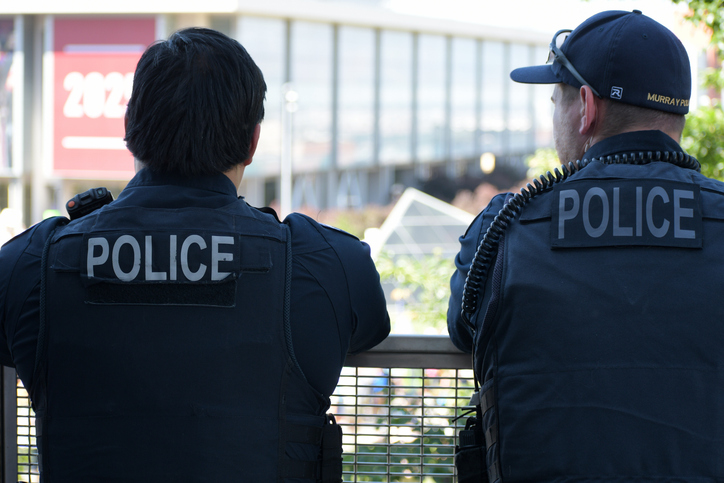
The Difference Between Officer Misconduct and Supervisory Responsibility
In civil rights litigation, the first layer of liability usually involves the official who directly carried out the alleged violation. For example, a police officer accused of using excessive force during an arrest may face personal liability under federal civil rights law.
Supervisory liability focuses on the role of officials who oversee those employees. These supervisors may not have participated in the incident itself, but their actions, or failure to act, may have contributed to the violation.
Courts evaluate whether a supervisor’s conduct helped create conditions that allowed the violation to occur. This analysis often focuses on whether the supervisor knew about ongoing problems and failed to address them.
For instance, if an officer had a history of misconduct complaints and supervisors ignored those warnings, a civil rights lawsuit might examine whether that failure to intervene contributed to the incident.
The legal standards governing supervisory liability therefore focus on oversight, training, and disciplinary decisions within government agencies.
Why Supervisory Liability Exists in Civil Rights Law
Civil rights laws aim to prevent abuses of power within government institutions. Holding only the individual officer responsible for misconduct may not fully address the factors that allowed the violation to occur.
Supervisory liability exists to ensure that leaders within government agencies take responsibility for maintaining lawful practices. Supervisors often control training programs, disciplinary systems, and operational policies that shape how employees perform their duties.
When supervisors ignore repeated warnings about misconduct or fail to enforce constitutional standards, the risk of civil rights violations can increase. Courts recognize that leadership failures may contribute to these situations.
Civil rights lawsuits therefore sometimes examine whether supervisory officials failed to take reasonable steps to prevent violations. This broader view helps courts assess whether the misconduct reflects deeper problems within the organization.
In Manhattan, where law enforcement agencies operate within a complex urban environment, oversight and supervision play an important role in ensuring constitutional policing practices.
What Plaintiffs Must Prove to Establish Supervisory Liability
Supervisory liability claims require specific legal elements. Courts do not hold supervisors responsible simply because they occupy a leadership position. Instead, plaintiffs must show a meaningful connection between the supervisor’s conduct and the constitutional violation.
Several types of evidence may support a supervisory liability claim. Courts often look for proof that the supervisor had knowledge of misconduct or failed to address ongoing problems within the department.
To establish supervisory liability, plaintiffs may attempt to show that the supervisor:
- Had actual knowledge of unconstitutional conduct by subordinates
- Failed to properly supervise employees despite known risks
- Ignored repeated complaints or reports of misconduct
- Created or allowed policies that encouraged unlawful behavior
- Failed to discipline officers who repeatedly violated rules
These factors help courts determine whether the supervisor’s conduct contributed to the civil rights violation.
Evidence supporting these claims may include disciplinary records, internal complaints, training materials, and testimony from other officers or witnesses.
How Supervisory Liability Appears in Police Misconduct Cases
Supervisory liability often arises in lawsuits involving police departments because law enforcement agencies operate under structured chains of command. Officers typically report to supervisors responsible for monitoring performance and enforcing departmental policies.
In Manhattan civil rights cases, plaintiffs may examine whether supervisors responded appropriately to prior misconduct complaints involving the officer. If warning signs were ignored, the lawsuit may argue that the supervisor allowed the risk of further violations to continue.
These claims sometimes involve reviewing internal disciplinary records and evaluating how supervisors responded to earlier incidents. Patterns of unresolved complaints may raise questions about whether leadership failed to address problematic behavior.
Federal oversight efforts also contribute to discussions about supervision within law enforcement agencies. The Civil Rights Division of the U.S. Department of Justice investigates patterns of misconduct involving police departments and public institutions across the country. Although individual civil rights lawsuits proceed independently, findings from federal investigations sometimes highlight systemic issues related to supervision and accountability.
Understanding how supervision operates within police departments can therefore play an important role in civil rights litigation.
Evidence That Can Support a Supervisory Liability Claim
Civil rights cases involving supervisory liability often require extensive evidence. Because supervisors are not usually present during the incident itself, plaintiffs must rely on records and testimony that reveal how oversight functions within the department.
Evidence commonly examined in these cases includes internal disciplinary files, complaint histories, and records showing how supervisors responded to prior incidents. Training manuals and departmental policies may also reveal whether supervisors enforced proper standards.
Several types of evidence often play a key role in supervisory liability claims:
- Records of prior complaints against the officer involved in the incident
- Internal disciplinary decisions made by supervisors
- Training materials describing departmental policies
- Emails or communications discussing misconduct allegations
- Testimony from officers or employees about supervisory practices
These materials can help establish whether a supervisor had knowledge of potential problems and failed to take appropriate action.
The discovery process allows attorneys to request these records from government agencies. Courts may order the production of documents if they are relevant to the case.
How Supervisory Liability Differs From Monell Claims
Supervisory liability and Monell claims both involve responsibility beyond the individual officer involved in the incident. However, these legal theories focus on different aspects of civil rights violations.
Supervisory liability centers on the actions of individual leaders within the organization. The claim examines whether a specific supervisor failed to oversee or discipline subordinates appropriately.
Monell claims, on the other hand, focus on the municipality itself. These claims argue that the city’s official policies or institutional practices caused the violation.
In some civil rights lawsuits, both theories appear in the same case. A supervisor may face individual liability for failing to intervene, while the city may face municipal liability for policies that allowed misconduct to continue.
Courts analyze these claims separately because they involve different legal standards and types of evidence.
Why Supervisory Oversight Matters in Civil Rights Enforcement
Supervision plays a central role in maintaining lawful conduct within government agencies. Effective oversight helps ensure that employees follow constitutional rules and departmental policies.
When supervisors ignore misconduct complaints or fail to enforce disciplinary standards, the risk of civil rights violations increases. Civil rights litigation often brings these issues to light by examining how agencies handle internal accountability.
Organizations such as the U.S. Commission on Civil Rights study patterns affecting civil rights enforcement across the country. Reports issued by the commission frequently analyze how government institutions address misconduct and what reforms may improve accountability.
While these studies do not determine the outcome of individual lawsuits, they contribute to broader conversations about supervision and civil rights protections.
Civil rights litigation therefore plays an important role in examining how leadership decisions affect the protection of constitutional rights.
Speak With Attorneys About Supervisory Liability in Civil Rights Cases
Civil rights cases sometimes reveal that responsibility extends beyond the official directly involved in an incident. When supervisors ignore warning signs or fail to enforce constitutional standards, their actions may become part of the legal analysis. The Manhattan civil rights lawyers at Horn Wright, LLP, assist individuals in evaluating whether supervisory liability may apply in a civil rights lawsuit. Our attorneys review the facts, examine available records, and explain how federal civil rights law may apply to the situation. If you want to discuss your case or explore possible legal options, you can contact the firm at 855-465-4622 to begin a confidential conversation.

What Sets Us Apart From The Rest?
Horn Wright, LLP is here to help you get the results you need with a team you can trust.
-
Client-Focused ApproachWe’re a client-centered, results-oriented firm. When you work with us, you can have confidence we’ll put your best interests at the forefront of your case – it’s that simple.
-
Creative & Innovative Solutions
No two cases are the same, and neither are their solutions. Our attorneys provide creative points of view to yield exemplary results.
-
Experienced Attorneys
We have a team of trusted and respected attorneys to ensure your case is matched with the best attorney possible.
-
Driven By Justice
The core of our legal practice is our commitment to obtaining justice for those who have been wronged and need a powerful voice.