


What a Sealed Manhattan Case Means for a Civil Rights Lawsuit
Understanding What It Means When a Criminal Case Is Sealed in Manhattan
When a criminal case ends in Manhattan, the court may seal the record depending on how the case was resolved. Many people hear that their case has been sealed but are unsure what that actually means. In general terms, sealing limits public access to records connected to the arrest and prosecution. The goal is to prevent the incident from continuing to affect a person’s life after the case has been resolved.
A sealed case typically occurs when charges are dismissed, when a person is acquitted at trial, or when the case ends in certain non-criminal outcomes. Once sealed, most employers, landlords, and members of the public cannot view the case through standard background checks. This protection can help individuals move forward without the stigma associated with an arrest that did not lead to a conviction.
The Manhattan civil rights attorneys at Horn Wright, LLP, often review situations where a sealed criminal case is connected to a potential civil rights lawsuit. Sealing does not erase the events that occurred during the arrest or prosecution. In many situations, the underlying conduct by law enforcement may still be examined in civil court if constitutional rights were violated.
Understanding the difference between sealing a case and eliminating the legal consequences of misconduct is an important starting point when evaluating civil rights claims.
How Criminal Cases Become Sealed in New York
New York law provides several pathways through which criminal cases may become sealed. The most common situation occurs when a case ends in favor of the accused person. When charges are dismissed or a jury returns a not-guilty verdict, the law generally allows the arrest and prosecution records to be sealed automatically.
Sealing can also occur after certain adjournments in contemplation of dismissal or other non-criminal outcomes. In those situations, the case may be sealed once the required conditions are completed. The purpose of these rules is to prevent individuals from facing long-term consequences when the criminal justice system ultimately determines that a conviction is not appropriate.
The New York State Unified Court System oversees the courts where these decisions are made and provides guidance on how sealing rules apply in different circumstances. Court records, arrest reports, and related documents may be removed from public access once a case qualifies for sealing under state law.
Although sealing restricts public access to the case file, it does not eliminate every record connected to the incident. Certain law enforcement agencies and courts may still retain access to sealed materials for limited legal purposes.
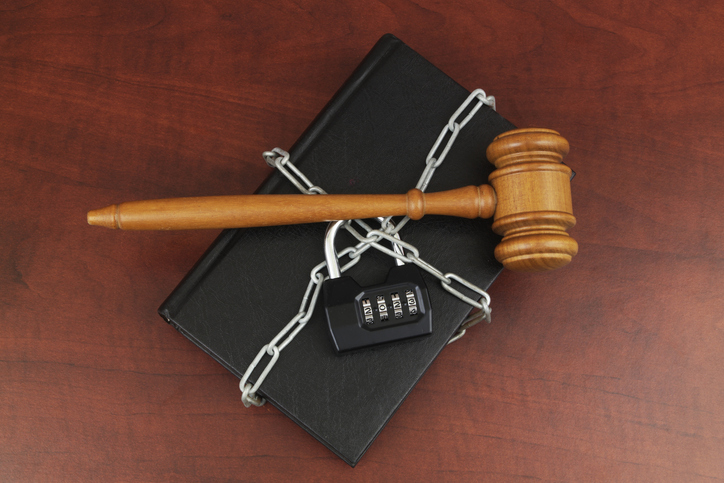
What Sealing Does and Does Not Do
Many people assume that sealing completely erases the arrest or prosecution from existence. In reality, sealing has a more specific legal effect. It limits public access to records and prevents most background checks from revealing the case, but it does not erase the fact that the incident occurred.
Sealed records generally cannot be viewed by the public, employers, or private investigators conducting routine background searches. This protection helps prevent individuals from facing ongoing consequences after a case has been resolved in their favor. In everyday life, sealed cases usually remain hidden from public view.
However, certain entities may still access sealed records under specific circumstances. Courts, prosecutors, and some law enforcement agencies may be able to review these materials when necessary for official duties. Because the records still exist within the legal system, they may sometimes become relevant in civil litigation related to the same incident.
This distinction explains why sealing a criminal case does not prevent a civil rights lawsuit from examining what happened during the arrest.
Why a Sealed Case Can Still Support a Civil Rights Claim
A civil rights lawsuit focuses on whether government officials violated constitutional protections during an encounter with the public. The outcome of the criminal case does not necessarily determine whether those rights were respected. Even when a criminal case ends and the record is sealed, questions about police conduct may remain.
For example, a person whose charges were dismissed may still claim that officers used excessive force during the arrest. In another situation, an individual whose case was sealed might argue that the arrest itself lacked probable cause. These issues are separate from whether the prosecution succeeded in proving criminal guilt.
Civil rights attorneys often review the circumstances surrounding the arrest and prosecution to determine whether constitutional violations occurred. A sealed case may actually strengthen certain civil claims because it indicates that the criminal charges did not result in a conviction.
Several types of civil rights claims may arise from incidents that later become sealed cases:
- Unlawful arrest without probable cause
- Excessive force used during an arrest
- Malicious prosecution based on unsupported charges
- Unlawful search or seizure during the investigation
- Retaliatory arrests connected to protected speech
Each claim depends on the facts of the encounter and the evidence available. The sealing of the criminal case does not prevent courts from examining whether constitutional protections were violated.
Accessing Records From a Sealed Case During Civil Litigation
Although sealed records are not available to the public, civil rights lawsuits sometimes create legal mechanisms for reviewing those materials. Courts may allow attorneys to access certain records if they are relevant to the claims being litigated.
During the discovery phase of a civil lawsuit, attorneys may request documents and evidence related to the arrest or prosecution. Judges evaluate these requests and decide whether sealed records may be reviewed under protective conditions. The court’s goal is to balance privacy protections with the need for evidence in the civil case.
Several categories of records may become important during civil litigation involving a sealed case:
- Arrest reports prepared by responding officers
- Court transcripts from hearings in the criminal case
- Evidence collected during the investigation
- Video recordings reviewed during the prosecution
- Statements made by officers or witnesses
These materials help reconstruct the events surrounding the encounter. When courts permit access to sealed records, they often require strict confidentiality to protect the individual whose case was sealed.
How Federal Courts Evaluate Civil Rights Claims Linked to Sealed Cases
Civil rights lawsuits connected to sealed criminal cases are often filed in federal court because they involve constitutional protections. Judges examine the facts of the incident independently from the criminal outcome. The key question is whether government officials violated the plaintiff’s rights during the encounter.
Courts analyze evidence such as police reports, witness testimony, and video recordings to determine what occurred. The fact that a case was sealed may provide context for certain claims, particularly those involving malicious prosecution or unlawful arrest. However, the court still evaluates the evidence carefully before determining whether a constitutional violation occurred.
Federal courts responsible for hearing these cases operate within the national judicial system administered by the Administrative Office of the U.S. Courts. This office supports the functioning of federal courts where many civil rights lawsuits are filed and adjudicated.
Understanding how courts approach these cases helps clarify why sealing a criminal case does not prevent the legal system from examining the conduct that occurred during the arrest.
Speak With Attorneys About Civil Rights Claims After a Sealed Case
Having a criminal case sealed can bring significant relief, but it does not necessarily resolve questions about what happened during the arrest. In some situations, individuals whose cases were dismissed or sealed may still have valid civil rights claims based on how law enforcement handled the encounter. The Manhattan civil rights lawyers at Horn Wright, LLP, help individuals review the circumstances surrounding an arrest and determine whether constitutional violations may have occurred. Our attorneys examine the available evidence, analyze how the criminal case concluded, and explain how civil rights laws may apply. If you want to discuss your situation or learn about possible legal options, you can contact the firm at 855-465-4622 to begin a confidential conversation about your rights.

What Sets Us Apart From The Rest?
Horn Wright, LLP is here to help you get the results you need with a team you can trust.
-
Client-Focused ApproachWe’re a client-centered, results-oriented firm. When you work with us, you can have confidence we’ll put your best interests at the forefront of your case – it’s that simple.
-
Creative & Innovative Solutions
No two cases are the same, and neither are their solutions. Our attorneys provide creative points of view to yield exemplary results.
-
Experienced Attorneys
We have a team of trusted and respected attorneys to ensure your case is matched with the best attorney possible.
-
Driven By Justice
The core of our legal practice is our commitment to obtaining justice for those who have been wronged and need a powerful voice.