


How Long Manhattan Civil Rights Cases Take: Typical Timeline
Why Civil Rights Lawsuits Often Take Time
Many people considering a civil rights lawsuit want to know one thing right away: how long will the case take. That is a reasonable question. When someone has experienced a difficult police encounter, they often want closure as soon as possible. Unfortunately, civil rights litigation rarely moves quickly.
Civil rights cases require careful investigation, document review, witness testimony, and court supervision. Each of these steps takes time because the court must ensure that both sides have a fair opportunity to present their evidence. While some cases resolve relatively quickly through settlement, others may take years to reach a final outcome.
The Manhattan civil rights attorneys at Horn Wright, LLP, often explain that timelines vary depending on the complexity of the case and the evidence involved. Some lawsuits involve only a few witnesses and limited documentation, while others include extensive video evidence, expert testimony, and multiple defendants. Understanding the stages of a civil rights case can help clarify why the process sometimes unfolds over a longer period.
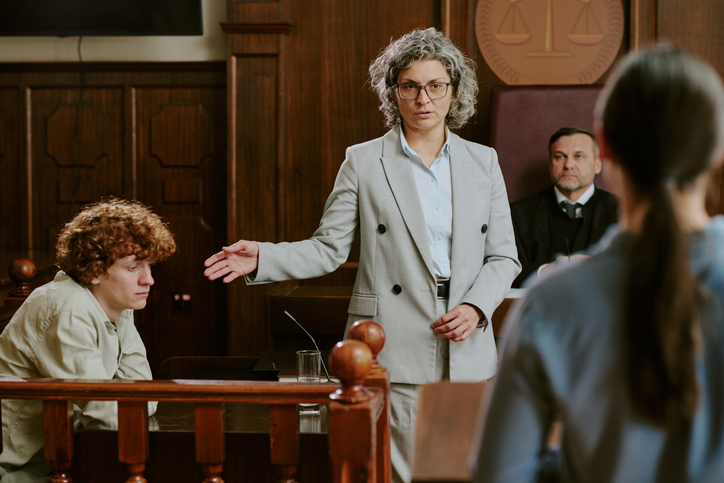
The Early Investigation Stage
Before a civil rights lawsuit is filed, attorneys usually spend time investigating the incident. This stage may involve reviewing police reports, medical records, witness statements, and any available video recordings. Attorneys also evaluate whether the facts support a legal claim under federal civil rights statutes.
The investigation stage can take several weeks or months depending on how quickly evidence becomes available. In some cases, attorneys must request documents from government agencies or locate witnesses who observed the encounter. Gathering this information early helps ensure that the complaint accurately reflects the events that occurred.
During this stage, attorneys also determine which defendants should be named in the lawsuit. Civil rights cases may involve individual officers, supervisors, or government entities depending on the facts. Careful preparation at this stage helps prevent delays once the case enters the court system.
Once the investigation is complete, the lawsuit can be formally filed.
Filing the Lawsuit and the Initial Court Process
After the investigation stage, the plaintiff files a complaint in court. The complaint explains what happened during the encounter and identifies the legal claims being raised. Once the complaint is filed, the defendants must be formally served with the lawsuit.
The United States District Court for the Southern District of New York hears many civil rights cases arising from Manhattan. Federal courts follow specific procedural rules that govern how lawsuits move forward. These rules require the defendants to respond to the complaint, usually by filing an answer or a motion asking the court to dismiss certain claims.
This early stage often lasts several months. If the defendants file motions challenging the complaint, the court may need additional time to review legal arguments and issue rulings. Once these initial issues are resolved, the court typically schedules the case for the discovery phase.
Although this stage may feel slow, it establishes the legal framework for the rest of the litigation.
Discovery and Evidence Gathering
Discovery is usually the longest stage of a civil rights lawsuit. During discovery, both sides exchange evidence and question witnesses under oath. Attorneys request documents, review video recordings, and conduct depositions to understand how the incident unfolded.
This phase can take many months and sometimes more than a year depending on the complexity of the case. Civil rights lawsuits often involve police reports, body camera footage, training records, and medical documentation. Each piece of evidence must be reviewed and evaluated before the case can move forward.
Several important steps often occur during discovery:
- Attorneys exchange document requests seeking evidence related to the incident
- Witnesses, including officers and bystanders, testify in depositions
- Experts analyze medical records, video footage, or police procedures
- Attorneys review and compare testimony with written reports
- The court resolves disputes about whether certain records must be disclosed
Because discovery produces much of the evidence used at trial, courts allow sufficient time for both sides to complete this process thoroughly.
Pretrial Motions and Court Review
After discovery is completed, attorneys may file motions asking the court to resolve legal issues before trial. One common motion is summary judgment, where a party argues that the case should be decided without a trial because the evidence does not support the opposing side’s claims.
Pretrial motions allow the court to evaluate whether the case should proceed to trial. Judges review the evidence presented by both sides and determine whether a jury must decide the disputed facts. In some situations, certain claims may be dismissed while others remain active.
Organizations such as the Federal Judicial Center study how federal courts manage civil litigation and help develop guidance for judges handling complex cases. Their research highlights the importance of pretrial procedures in organizing evidence and narrowing the issues before trial.
This stage can take several months as the court reviews legal arguments and issues written decisions.
Settlement Discussions During the Case
Many civil rights cases resolve through settlement before reaching trial. Settlement discussions may occur at different stages of the lawsuit, especially after key evidence becomes available. When both sides understand the strengths and weaknesses of the case, they may decide that a negotiated resolution makes sense.
Settlement discussions sometimes occur during mediation sessions where a neutral mediator helps the parties explore possible agreements. If the parties reach a settlement, the lawsuit typically ends without a trial.
Even when mediation does not produce an immediate agreement, the discussions can still help clarify the issues in the case. Some lawsuits settle months after mediation once both sides have reassessed the evidence.
Because settlement can occur at many points in the timeline, it often affects how long the case ultimately takes.
When a Case Proceeds to Trial
If the parties do not reach a settlement, the case may proceed to trial. Trials are scheduled according to the court’s calendar, which means additional time may pass before the case is heard. Preparing for trial requires attorneys to organize evidence, prepare witnesses, and finalize legal arguments.
Trials themselves can last several days or several weeks depending on the complexity of the case. Witnesses testify under oath, experts present their analysis, and attorneys argue how the law applies to the evidence presented.
After the trial concludes, the judge or jury issues a decision regarding liability and damages. In some cases, the losing party may file an appeal, which can extend the overall timeline further.
Although trials represent the final stage of the lawsuit, they occur only after the earlier phases of investigation, discovery, and pretrial review have been completed.
Speak With Attorneys About the Timeline of Civil Rights Cases
Civil rights lawsuits often involve several stages, and each stage takes time to complete properly. Investigation, discovery, court motions, and settlement discussions all play a role in determining how long a case may take to resolve. The Manhattan civil rights lawyers at Horn Wright, LLP, help clients understand the typical timeline of civil rights litigation and what to expect as their case moves forward.
Our attorneys review the facts, explain each step of the process, and work to build a strong case supported by evidence. If you want to discuss your situation or learn about possible legal options, you can contact the firm at 855-465-4622 to begin a confidential conversation about your case.

What Sets Us Apart From The Rest?
Horn Wright, LLP is here to help you get the results you need with a team you can trust.
-
Client-Focused ApproachWe’re a client-centered, results-oriented firm. When you work with us, you can have confidence we’ll put your best interests at the forefront of your case – it’s that simple.
-
Creative & Innovative Solutions
No two cases are the same, and neither are their solutions. Our attorneys provide creative points of view to yield exemplary results.
-
Experienced Attorneys
We have a team of trusted and respected attorneys to ensure your case is matched with the best attorney possible.
-
Driven By Justice
The core of our legal practice is our commitment to obtaining justice for those who have been wronged and need a powerful voice.