


How Civil Rights Cases Get Investigated: Experts, Video Forensics, and Reports
Why Investigation Is Critical in Manhattan Civil Rights Cases
Civil rights lawsuits often depend on a careful investigation into what actually happened during a police encounter. In many situations, the key dispute involves competing accounts of the same event. Police officers may describe one version of the encounter, while the person involved or witnesses may recall something very different. A thorough investigation helps determine which version of events is supported by the evidence.
Civil rights investigations usually begin by gathering documents and identifying potential sources of evidence. Attorneys may review police reports, medical records, and any available video recordings. The goal is to reconstruct the encounter as accurately as possible and determine whether law enforcement actions complied with constitutional standards.
The Manhattan civil rights attorneys at Horn Wright, LLP, often work with investigators and expert witnesses when reviewing potential claims. These professionals help analyze evidence, interpret technical data, and explain how events unfolded during the encounter. By combining multiple forms of evidence, civil rights investigations attempt to create a clear picture of what occurred.
Understanding how these investigations work helps explain why civil rights cases often involve detailed reports and specialized analysis.
The First Stage: Gathering Basic Evidence
Most civil rights investigations begin with collecting the documents and records connected to the incident. These materials often provide the starting point for understanding how the encounter developed. Attorneys typically examine the available information carefully before deciding whether further investigation is necessary.
Police reports are often among the first records reviewed. Officers involved in the encounter usually prepare written reports explaining why they took certain actions during the incident. These documents may describe the reason for the stop, the behavior observed by officers, and the events that led to the arrest.
Other records may also become important at this early stage. Medical documentation, witness statements, and dispatch logs can help establish a timeline of what occurred. When these records are compared with one another, investigators may identify gaps or inconsistencies that require further examination. Early evidence collection helps determine what additional investigative steps may be necessary.
How Witness Interviews Help Reconstruct Events
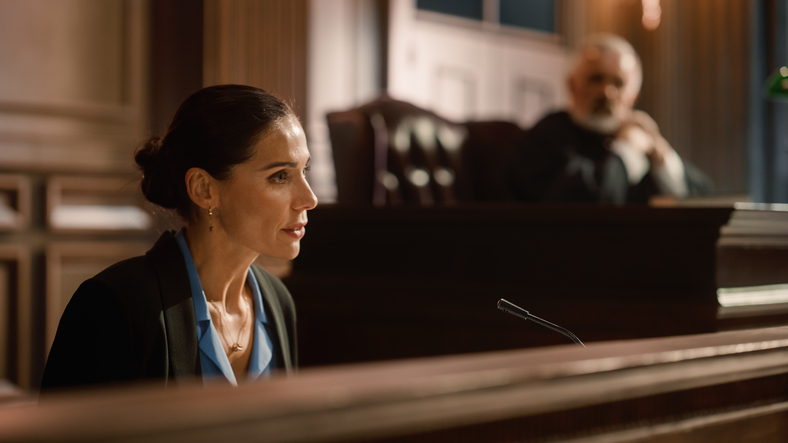
Witness testimony often becomes a key part of civil rights investigations. People who observed the encounter may remember details that were not included in official reports. Their statements can help investigators understand how the interaction appeared from outside perspectives.
Witnesses may include bystanders, neighbors, or individuals who were present during the encounter. In some cases, witnesses are identified through police reports or surveillance footage. In other situations, investigators locate witnesses by speaking with people in the surrounding area.
When investigators conduct interviews, they typically ask witnesses to describe what they saw in their own words. These conversations are often documented in written statements or recorded interviews. Reviewing these statements alongside other evidence can help determine whether the witness observations align with official accounts.
Witness testimony often becomes especially important when video footage does not capture the entire encounter.
The Role of Video and Digital Evidence Analysis
Video recordings frequently provide some of the most valuable evidence in civil rights cases. Cameras may capture events as they happen, allowing investigators to observe details that might otherwise remain unclear. In many cases, attorneys review multiple sources of video evidence to reconstruct the incident.
Common sources of video evidence include body cameras worn by officers, surveillance cameras from nearby buildings, and recordings made by bystanders using mobile phones. Each source may capture a different angle or portion of the encounter.
When recordings exist, investigators may analyze the footage frame by frame. They often compare the video with written reports and witness statements to determine whether the accounts are consistent. In some cases, experts in digital forensics assist with reviewing video files to verify timestamps, confirm authenticity, and identify edits or gaps in the recording.
Research conducted by the National Institute of Justice has examined how digital evidence such as body camera footage influences investigations of police conduct. Studies from this organization help inform broader discussions about transparency and accountability in law enforcement practices.
Expert Witnesses in Civil Rights Investigations
Civil rights investigations sometimes require expertise in specialized fields. Experts may help explain technical issues or professional standards that are not obvious from the raw evidence alone. These professionals review records and provide opinions based on their training and experience.
Use-of-force experts are commonly involved in cases involving allegations of excessive force. These specialists may analyze whether the officer’s actions were consistent with accepted policing standards and training practices. Medical experts may also review injury records to explain how the injuries occurred and whether they match the reported events.
Digital forensic specialists may evaluate video recordings, electronic communications, or data files connected to the incident. Their analysis can help determine whether digital evidence has been altered or whether recordings accurately reflect the timeline of events.
Several types of experts frequently participate in civil rights investigations:
- Law enforcement practices experts who review police conduct
- Medical professionals who analyze injury documentation
- Digital forensic specialists who examine video and electronic records
- Accident reconstruction experts who analyze physical evidence
- Statistical or policy experts who review institutional practices
Expert analysis often helps courts understand technical details that might otherwise be difficult to interpret.
Written Reports and Investigative Findings
As evidence is gathered and analyzed, investigators often prepare written reports summarizing their findings. These reports may explain how the evidence was collected, what conclusions can be drawn from the available information, and which issues remain disputed.
Expert witnesses frequently prepare detailed reports describing their analysis of the case. These reports may include technical explanations, diagrams, or references to professional standards. Courts often review these documents during the litigation process when evaluating the claims presented by both sides.
Investigative reports may also address inconsistencies between different pieces of evidence. For example, an expert might compare a police report with video footage to determine whether the sequence of events matches the officer’s description. These analyses help clarify how the encounter unfolded.
Written reports play an important role because they organize complex evidence into a format that courts can review and evaluate.
Where Investigative Evidence Is Examined in Manhattan Civil Rights Cases
Civil rights lawsuits involving police conduct are often filed in federal court because they involve constitutional protections under federal law. Judges review investigative reports, witness testimony, and other evidence when determining whether law enforcement actions violated civil rights statutes.
Many cases arising from Manhattan are heard in the United States District Court for the Southern District of New York. In these proceedings, attorneys present evidence gathered during the investigation, including expert reports and video analysis.
Courts evaluate whether the investigation supports claims that constitutional rights were violated. Judges and juries may review witness statements, digital evidence, and expert testimony to determine what occurred during the encounter. By examining multiple sources of evidence, courts attempt to reach a fair and accurate understanding of the events.
Understanding where this evidence is evaluated helps explain why detailed investigation is so important in civil rights litigation.
Speak With Attorneys About Investigating Civil Rights Cases
Civil rights investigations often involve careful analysis of evidence, witness testimony, and expert evaluations. Video recordings, forensic analysis, and written reports can all play a role in explaining what happened during a police encounter. The Manhattan civil rights lawyers at Horn Wright, LLP, help individuals understand how civil rights claims are investigated and what evidence may support their case. Our attorneys review records, consult with experts when necessary, and explain how constitutional protections apply to the situation. If you want to discuss your experience or explore possible legal options, you can contact the firm at 855-465-4622 to begin a confidential conversation about your case.

What Sets Us Apart From The Rest?
Horn Wright, LLP is here to help you get the results you need with a team you can trust.
-
Client-Focused ApproachWe’re a client-centered, results-oriented firm. When you work with us, you can have confidence we’ll put your best interests at the forefront of your case – it’s that simple.
-
Creative & Innovative Solutions
No two cases are the same, and neither are their solutions. Our attorneys provide creative points of view to yield exemplary results.
-
Experienced Attorneys
We have a team of trusted and respected attorneys to ensure your case is matched with the best attorney possible.
-
Driven By Justice
The core of our legal practice is our commitment to obtaining justice for those who have been wronged and need a powerful voice.