


Evidence Checklist for Manhattan Civil Rights Cases: Timeline, Witnesses, Video
Why Evidence Matters in Manhattan Civil Rights Cases
Civil rights lawsuits often turn on the evidence that explains what actually happened during a police encounter. In many Manhattan cases, the central issue is whether officers respected constitutional limits when making an arrest, conducting a search, or using force. Courts carefully review the available evidence to determine whether the actions taken by law enforcement were legally justified.
Unlike criminal prosecutions, civil rights lawsuits often require attorneys to reconstruct the events surrounding an encounter in great detail. Small facts can shape how a court understands the legality of the officers’ decisions. Evidence that captures the sequence of events before, during, and after the encounter often becomes the foundation of the case.
The Manhattan civil rights attorneys at Horn Wright, LLP, often begin evaluating claims by assembling a clear evidentiary record. This process may involve reconstructing a timeline, locating witnesses, and identifying video recordings that captured the encounter. Understanding what types of evidence matter most can help individuals preserve important information while the events are still fresh.
Creating a Clear Timeline of the Police Encounter
A detailed timeline is one of the most valuable tools in civil rights litigation. A timeline organizes the sequence of events so attorneys and courts can understand exactly how the interaction unfolded. When events move quickly during a police encounter, memories can fade or become inconsistent, which makes early documentation extremely important.
A timeline usually begins with the moments leading up to the encounter. This may include where the individual was located, what activity was taking place before officers arrived, and how the first interaction between the parties occurred. Recording these details helps establish the context in which officers decided to intervene.
Important events that often appear in a timeline include the moment officers arrived, what instructions were given, how the individual responded, and whether force was used during the encounter. Medical treatment, transportation to a police facility, and booking procedures may also be relevant parts of the timeline. When these details are placed in chronological order, they help clarify whether the official account of the incident aligns with other available evidence. Accurate timelines often help courts evaluate whether officers acted reasonably under the circumstances.
Locating and Preserving Witness Testimony
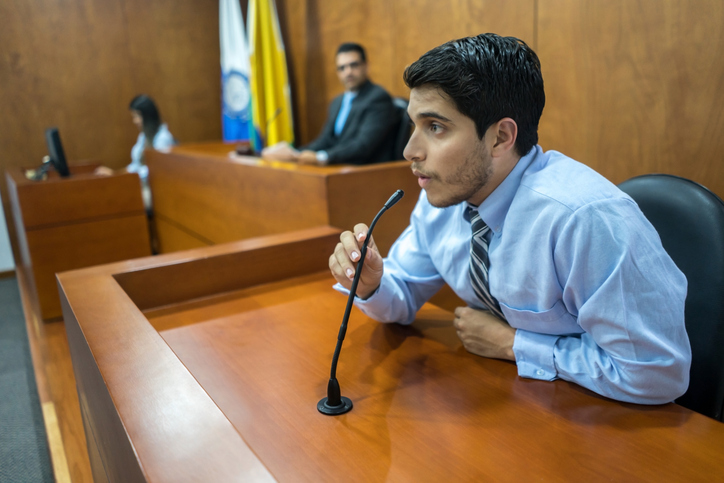
Witnesses can provide valuable information about what occurred during a police encounter. Individuals who observed the interaction may remember details that were not recorded in official police reports. Their observations can help confirm or challenge the descriptions provided by officers involved in the incident.
Witnesses may include bystanders, passengers in a vehicle, neighbors, or employees working nearby. In busy parts of Manhattan, encounters often occur in areas where multiple people may have seen the events unfold. Each witness may provide a slightly different perspective depending on where they were standing and what they observed.
Several steps can help preserve witness information early in the process:
- Collect names and contact information of anyone who saw the encounter
- Write down what each witness remembers while the event is still recent
- Preserve messages or communications discussing the incident
- Identify security personnel who may have been present at nearby buildings
- Note businesses or residences that might have surveillance cameras
Gathering this information early helps ensure that witnesses can be located later if a civil rights case proceeds.
Video Footage and Digital Evidence
Video recordings frequently provide some of the most persuasive evidence in civil rights litigation. Cameras capture events as they occur, which can help courts evaluate the actions of both officers and civilians during the encounter. In many cases, video footage provides details that written reports do not fully explain.
Several types of video evidence may exist depending on where the incident occurred. Body cameras worn by officers may record interactions with members of the public. Surveillance cameras from nearby businesses or residential buildings sometimes capture events taking place on sidewalks or streets. Bystanders may also record the encounter on mobile phones.
Because digital evidence can be overwritten or deleted over time, locating video quickly can be important. Attorneys often examine multiple video sources to determine whether the footage provides a complete view of the encounter or only partial segments of what occurred.
Medical Documentation and Injury Records
Medical records often become important evidence when civil rights claims involve excessive force or mistreatment during custody. Injuries documented shortly after an encounter may help explain what occurred during the arrest or detention.
Healthcare providers typically create detailed records describing the patient’s condition, symptoms, and treatment. These documents may include photographs of injuries, imaging results, and clinical observations recorded by medical professionals. When medical care occurs soon after the encounter, the records may help establish a connection between the incident and the injuries sustained.
Several forms of documentation frequently appear in civil rights cases involving physical harm:
- Emergency room records created immediately after the incident
- Photographs documenting visible injuries
- Physician notes describing diagnoses and treatment
- Follow-up treatment records showing ongoing care
- Bills and prescriptions connected to the injury
These materials help courts evaluate the seriousness of the injuries and how they may relate to the actions taken during the arrest.
Police Reports and Official Documentation
Police departments create official records after arrests or investigative encounters. These documents often become an important part of the evidence reviewed during civil rights litigation. Officers may prepare reports describing the reason for the arrest, the events leading up to the encounter, and the actions taken during the incident.
Attorneys frequently analyze these records closely when evaluating potential civil rights claims. Comparing written police reports with witness testimony or video evidence sometimes reveals inconsistencies or disputed facts. These differences may become central issues during litigation.
Additional documentation may also become relevant when reconstructing the encounter. Dispatch logs, radio communications, and booking records may help establish when officers arrived at the scene and how the incident was described internally. These materials help investigators piece together the timeline and determine whether the official account aligns with other available evidence.
Where Evidence Is Evaluated in Manhattan Civil Rights Lawsuits
Civil rights lawsuits involving police conduct are often filed in federal court because they involve constitutional protections under federal law. Judges review evidence such as witness testimony, video recordings, police reports, and medical records when determining whether government officials violated civil rights statutes.
Many Manhattan civil rights cases are heard in the United States District Court for the Southern District of New York. Federal judges evaluate the evidence presented by both sides and determine whether the actions taken by law enforcement complied with constitutional standards.
Oversight and policy discussions concerning civil rights enforcement also occur at the federal level. The U.S. Commission on Civil Rights studies issues involving constitutional protections, policing practices, and access to justice across the country. Although the commission does not decide individual lawsuits, its research helps inform broader conversations about accountability and civil rights enforcement.
Understanding where and how evidence is evaluated helps explain why gathering documentation early can play an important role in civil rights cases.
Speak With Attorneys About Evidence in Manhattan Civil Rights Cases
Civil rights claims often depend on clear evidence explaining how a police encounter unfolded. Timelines, witness testimony, video recordings, and medical documentation can all help courts understand what happened during the incident. The Manhattan civil rights lawyers at Horn Wright, LLP, assist individuals in identifying and preserving evidence that may support a civil rights claim. Our attorneys review the available records, analyze the details of the encounter, and explain how civil rights laws may apply. If you want to discuss your experience or learn about possible legal options, you can contact the firm at 855-465-4622 to begin a confidential conversation about your case.

What Sets Us Apart From The Rest?
Horn Wright, LLP is here to help you get the results you need with a team you can trust.
-
Client-Focused ApproachWe’re a client-centered, results-oriented firm. When you work with us, you can have confidence we’ll put your best interests at the forefront of your case – it’s that simple.
-
Creative & Innovative Solutions
No two cases are the same, and neither are their solutions. Our attorneys provide creative points of view to yield exemplary results.
-
Experienced Attorneys
We have a team of trusted and respected attorneys to ensure your case is matched with the best attorney possible.
-
Driven By Justice
The core of our legal practice is our commitment to obtaining justice for those who have been wronged and need a powerful voice.