


Social Media and Civil Rights Claims in Manhattan: What to Avoid
Why Social Media Can Affect Manhattan Civil Rights Cases
Social media has become part of daily life for many people in Manhattan. Platforms like Instagram, Facebook, and TikTok often serve as places where individuals share experiences, discuss current events, and document moments from their lives. After a stressful encounter with law enforcement, it may feel natural to post about the incident or explain what happened to friends and followers.
However, social media activity can affect how a civil rights case unfolds. Statements, photos, and videos shared online may later become evidence in litigation. Courts often allow opposing parties to review public posts when evaluating claims involving police encounters. Even comments that seem unrelated to the incident can sometimes influence how evidence is interpreted.
The Manhattan civil rights attorneys at Horn Wright, LLP, frequently advise individuals to be cautious about social media activity while a civil rights matter is developing. Online content can spread quickly and may remain accessible long after it was originally posted. Understanding how social media can influence legal proceedings helps individuals avoid mistakes that could complicate a potential civil rights claim.
How Social Media Posts Can Become Evidence
Courts increasingly treat social media content as a form of documentary evidence. Posts made on public platforms can sometimes be reviewed by attorneys and introduced during legal proceedings if they relate to the facts of the case. This means that a statement written casually online may later appear in court.
Photos, videos, and written posts can all be examined during litigation. For example, a video clip shared online might capture part of an encounter with law enforcement. In other situations, posts written after the event may describe how the individual remembers the incident.
Attorneys may compare these posts with other evidence in the case. If the information shared online conflicts with witness testimony or official reports, the discrepancy may become an issue during litigation. Because civil rights cases often depend on credibility, statements made on social media sometimes receive close scrutiny.
The United States District Court for the Southern District of New York hears many federal civil rights cases arising in Manhattan and evaluates various forms of evidence during litigation. Judges in federal court may consider social media records alongside other documentation when determining whether constitutional violations occurred. Understanding how courts treat online content can help individuals make informed decisions about what they share publicly.
Why Posting About an Incident Can Create Legal Complications
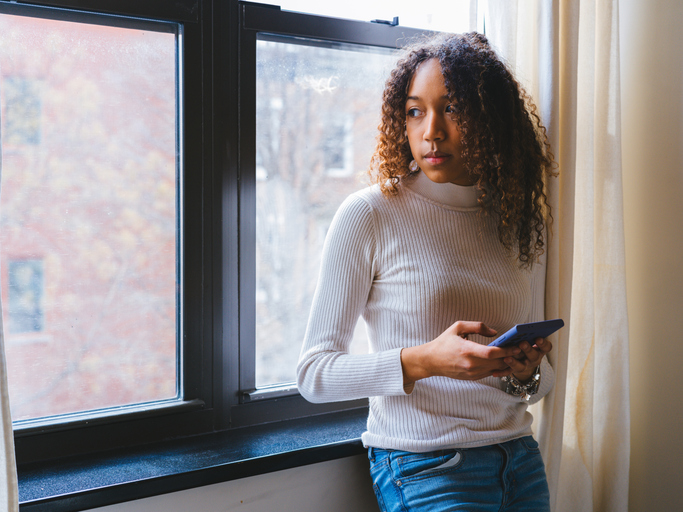
Many people feel a strong desire to explain what happened after a difficult encounter with law enforcement. Social media may appear to offer an immediate way to tell their side of the story. Although that reaction is understandable, posting detailed descriptions of the incident can create legal complications.
Statements written shortly after an event may contain inaccuracies or incomplete information. Stressful situations can affect memory, and early descriptions of events may not perfectly match later testimony. If these statements are preserved online, they may later be compared with statements given during legal proceedings.
Another concern involves comments from other users. Social media discussions sometimes attract responses from people who were not present during the incident. These comments can create confusion about what actually occurred and may complicate the legal narrative surrounding the event.
For these reasons, attorneys often advise individuals to limit detailed public discussions about incidents that may lead to civil rights claims.
Types of Social Media Activity That Can Raise Concerns
Certain types of social media activity may create challenges during civil rights litigation. Even posts that appear harmless at the time may later attract attention if they relate to the events surrounding the encounter.
Examples of activity that sometimes becomes relevant during civil rights cases include:
- Posting detailed descriptions of the incident immediately after it occurs
- Sharing videos or photographs without preserving the original files
- Commenting publicly about the actions of police officers involved
- Engaging in arguments with other users about the encounter
- Posting content that contradicts statements made in legal filings
These types of posts may be examined by attorneys reviewing the case. When content appears inconsistent with other evidence, it can create additional questions during litigation.
Being mindful of online activity can help prevent unnecessary complications while the legal process unfolds.
Preserving Digital Evidence Without Sharing It Publicly
While attorneys often caution against posting details online, digital evidence itself can still be very important in civil rights cases. Photos or videos recorded during the encounter may provide valuable documentation of what occurred. The key difference involves how that material is preserved.
Instead of uploading recordings to social media immediately, individuals may choose to store the original files safely. Preserving the unedited versions of photos or videos can help maintain important details such as timestamps and metadata. These details sometimes help confirm when and where the recording was made.
If witnesses recorded the incident, it may also help to ask them to save their recordings. Maintaining copies of these files ensures that the evidence remains available if the case proceeds to litigation. Digital documentation often plays an important role in civil rights investigations, but sharing it publicly before consulting an attorney may create unnecessary complications.
Privacy Settings and Online Accounts
Some people believe that adjusting privacy settings on social media accounts prevents their posts from becoming part of a legal case. Although privacy settings can limit public visibility, they do not necessarily prevent content from being discovered during litigation.
Courts sometimes allow attorneys to request social media records if they are relevant to the issues in the case. This means that posts shared privately may still become subject to review under certain circumstances. Messages exchanged through social platforms may also be examined if they relate to the events surrounding the encounter.
Research from the Bureau of Justice Statistics has highlighted the growing role of digital evidence in criminal and civil investigations. As online communication becomes more common, courts increasingly encounter electronic records that may influence legal proceedings.
Understanding the limits of online privacy can help individuals avoid misunderstandings about how social media content may be used during litigation.
How Attorneys Evaluate Social Media Evidence
Civil rights attorneys often review social media activity carefully when evaluating potential claims. This review helps determine whether any public posts contain information that could influence the case. Attorneys may also examine posts from other individuals who were present during the incident.
In some cases, social media posts provide helpful evidence supporting a civil rights claim. Videos shared by witnesses may capture details about the encounter that were not recorded by police cameras. Photographs may document injuries or the conditions surrounding the arrest.
At the same time, attorneys look for potential issues that could affect the case. Inconsistent statements or incomplete descriptions of the incident may become areas of concern during litigation. Reviewing this information early allows attorneys to develop a clear strategy before the case proceeds. Careful evaluation of digital evidence helps ensure that the facts of the incident are presented accurately in court.
Speak With Attorneys Before Discussing a Civil Rights Case Online
Social media can feel like a natural place to talk about difficult experiences, but online posts can sometimes affect how a civil rights case develops. Before sharing details about a police encounter, it may be helpful to understand how that information could appear during litigation. The Manhattan civil rights lawyers at Horn Wright, LLP, review evidence related to police encounters and help individuals understand how digital content may affect potential claims. Our attorneys analyze the circumstances of each case and explain how civil rights laws apply to the situation. If you want to discuss your experience or learn about possible legal options, you can contact the firm at 855-465-4622 to begin a confidential conversation about your legal rights.

What Sets Us Apart From The Rest?
Horn Wright, LLP is here to help you get the results you need with a team you can trust.
-
Client-Focused ApproachWe’re a client-centered, results-oriented firm. When you work with us, you can have confidence we’ll put your best interests at the forefront of your case – it’s that simple.
-
Creative & Innovative Solutions
No two cases are the same, and neither are their solutions. Our attorneys provide creative points of view to yield exemplary results.
-
Experienced Attorneys
We have a team of trusted and respected attorneys to ensure your case is matched with the best attorney possible.
-
Driven By Justice
The core of our legal practice is our commitment to obtaining justice for those who have been wronged and need a powerful voice.