


Bronx, NY Civil Rights Attorneys
When interactions with the police go wrong in the Bronx, the consequences can change your life overnight. Whether it’s an unjustified use of force, an illegal search, a wrongful arrest, or false charges, it’s not just a legal issue, it’s a deeply personal one. You might feel angry, confused, or even afraid to speak up. That reaction is understandable. These moments can shake your trust in the system.
At Horn Wright, LLP, our civil rights attorneys focus on civil rights claims across the Bronx. We help people who’ve experienced misconduct by NYPD officers take action. If you or a loved one went through a wrongful detention, unlawful search, or excessive force, we’re here to guide you. Our job is to build your case from the ground up and fight for justice, accountability, and compensation.
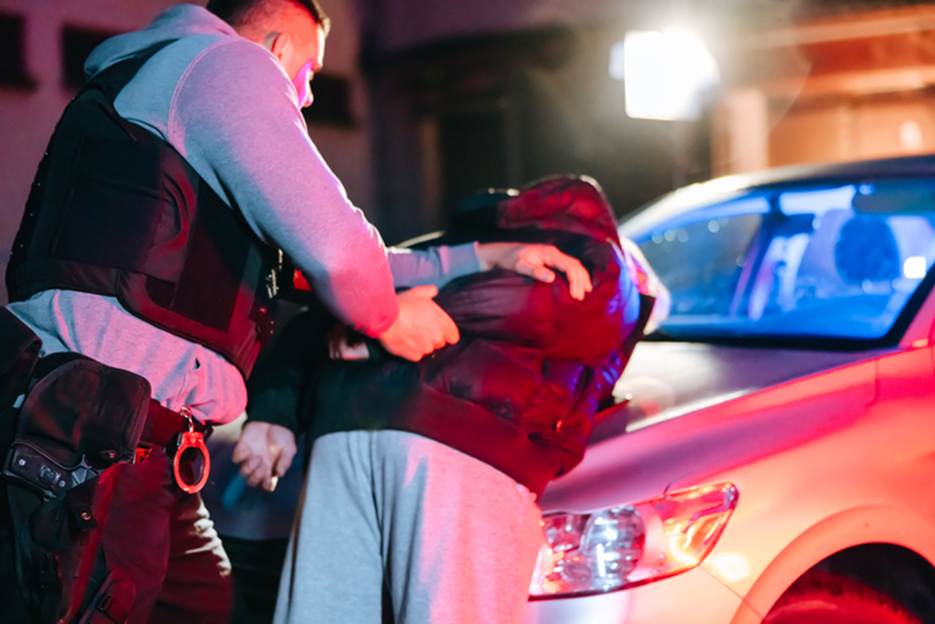
Understanding Police Misconduct in the Bronx
In the Bronx, civil rights cases often arise from one or more of the following incidents:
- Excessive force during or after an arrest
- Wrongful detention without legal justification
- Illegal searches of your home, car, phone, or person
- Wrongful prosecution based on false evidence or fabricated charges
- Use of force during protests, traffic stops, or domestic calls
Every case is different, but the underlying issue remains the same: abuse of power. The law gives police officers limited authority to use force, detain individuals, and search property, but that authority ends where your constitutional rights begin. When police cross that line, they can be held accountable under federal civil rights laws.
First Steps After a Police Misconduct Incident in the Bronx
After something goes wrong, the hours and days that follow matter. You might not know where to start, and that’s okay. Here are a few core steps that can help protect your rights from day one:
- Get medical care immediately. If you were hurt, get treatment and keep every medical record. Even minor bruises or emotional distress can support your claim.
- Preserve physical evidence. Take photos of injuries, torn clothing, or damaged property. Save anything that helps tell the story.
- Secure video. Request body cam, dash cam, or surveillance video. You may need to act fast to preserve it before it’s deleted.
- Identify officers. Badge numbers, names, and patrol car numbers can all help.
- Find witnesses. Write down names and contact info of anyone who saw what happened. Even short statements can help back up your claim.
And here’s one of the hardest but most important steps: Don’t give a detailed statement to investigators without legal help. You may feel pressured to explain what happened, but anything you say can be twisted later. Protect yourself.
Types of Misconduct: Force, Detention, Search, and Prosecution
Most civil rights claims in the Bronx fall under one or more categories. Understanding the basics of each helps you recognize what happened—and what kind of case you might have.
Excessive Force
NYPD officers are only allowed to use force that’s reasonable based on the situation. When they go beyond that, it's called excessive force. Examples include:
- Strikes with batons or flashlights
- Taser use on a nonviolent person
- Tight handcuffs that cause injury
- Take-downs that injure the neck, spine, or head
- K-9 bites, especially on minors or bystanders
- Use of force after someone is already restrained
Even if someone is under arrest, that doesn’t give police the right to hurt them unnecessarily. When excessive force causes physical injury, emotional trauma, or both, you may have a claim under Section 1983 of the U.S. Code.
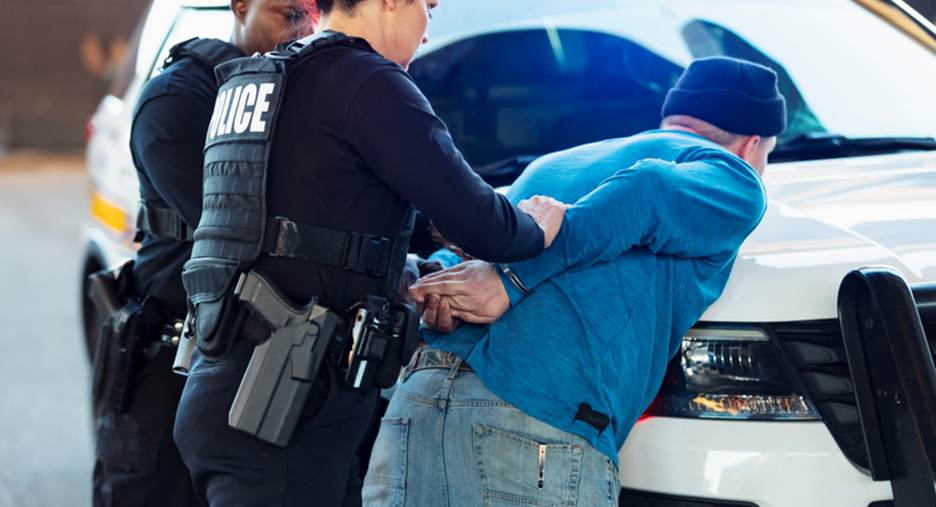
Wrongful Detention
Police can stop you for a short time if they have reasonable suspicion, but they can’t hold you indefinitely or without justification. Misconduct in Bronx detention cases often involves:
- Holding someone at the precinct without booking
- Keeping someone detained after charges were dropped
- Detaining someone just because they "fit a description"
- Holding people for disorderly conduct or loitering without probable cause
- Over-detaining people after court delays, warrant errors, or paperwork mistakes
These aren’t just procedural missteps. They can lead to emotional harm, lost income, and reputational damage. And they’re often a violation of your Fourth Amendment rights.
Illegal Searches
Police need either a warrant, probable cause, or valid consent to search your property. Without one of those, a search might be illegal. Common Bronx search violations include:
- Searching homes without a valid warrant
- Using a vague excuse like "emergency" to enter
- Unlawfully searching cars during traffic stops
- Searching phones without a warrant or consent
- Room or apartment searches based on landlord permission
Even if officers find something during an illegal search, that evidence can sometimes be thrown out in criminal court, and you may have grounds for a civil rights lawsuit.
Wrongful Charges and Malicious Prosecution
False charges can start with a lie, and end with life-changing consequences. Some police officers initiate prosecution based on false claims, exaggerated reports, or omitted facts. In Bronx civil rights law, this is called malicious prosecution. You may have a claim if:
- You were charged without probable cause
- The case ended in your favor (dismissal, ACD, or acquittal)
- The officer acted with malice or dishonesty
Wrongful charges often follow after protests, mistaken identity, or domestic disputes. And the emotional toll of fighting charges you know are false can be immense.
Common Scenarios in Bronx Civil Rights Cases
Police misconduct doesn’t always look the same. But some situations come up more than others in Bronx civil rights lawsuits. Here are a few examples:
- Traffic stops: Claims often involve force, extended detentions, or illegal car searches
- Stop-and-frisk encounters: Officers may exceed their authority or detain without cause
- Protests: Police may use force, detain people in groups, or fail to follow arrest procedures
- Hospital encounters: Police sometimes use force or detain patients already receiving care
- School or transit incidents: Detentions by campus police or in subway stations can cross legal lines
Every one of these situations has different legal issues. But the common theme is this: when officers use power without proper limits, people get hurt, physically, emotionally, and financially.
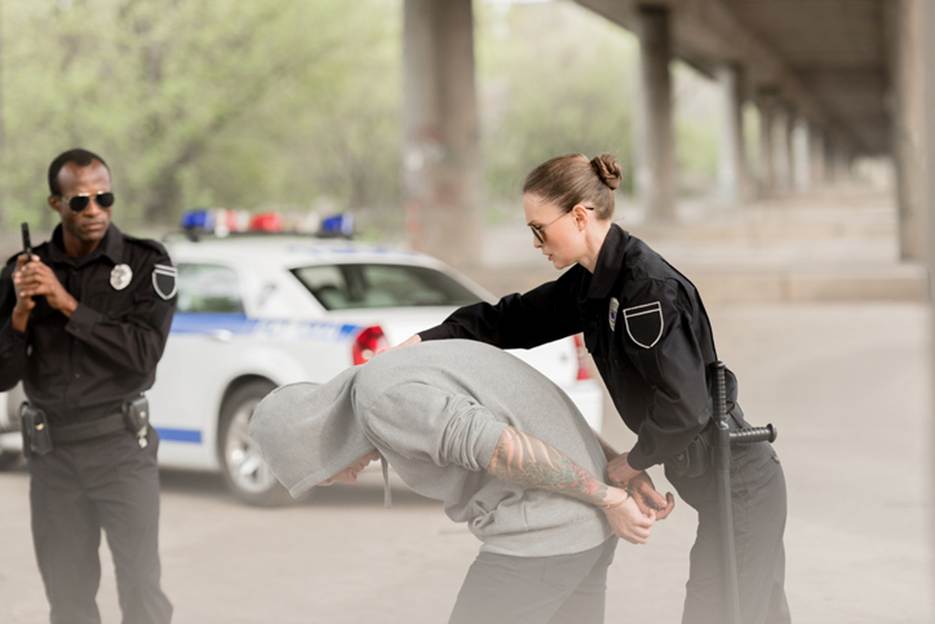
Proving Your Case: What Evidence Matters Most
To succeed in a civil rights case, you need more than a strong story. You need proof. And in Bronx police misconduct cases, the most valuable evidence often includes:
- Body cam and dash cam video (or the fact that it’s missing)
- 911 calls and dispatch logs showing what police knew at the time
- Medical records from hospitals, EMTs, or therapists
- Witness statements (even short notes from people who saw it)
- Photos of injuries and property damage
- Internal NYPD reports and CCRB complaints
When police reports don’t match video evidence or eyewitness testimony, that can make your case even stronger. In some cases, disciplinary records, Brady/Giglio material, or Monell documents showing patterns of abuse may also be available during discovery.
Legal Defenses: What the NYPD May Argue
Most Bronx civil rights cases don’t go unchallenged. Officers and city attorneys will likely raise defenses, including:
- Qualified immunity: A legal shield that protects officers unless their actions were clearly unlawful
- Probable cause: Claims that there was a legal basis for your arrest or search
- Resisting arrest: Allegations that you failed to comply or fought back
- Threat perception: Claims that you appeared to reach for a weapon or act aggressively
These defenses can feel overwhelming. But they’re not unbeatable. With strong evidence and careful legal work, many of them can be knocked down or exposed as unfounded.
Compensation in Bronx Police Misconduct Lawsuits
If your case succeeds, you may be entitled to financial compensation. That compensation depends on the harm you suffered and the long-term effects of the misconduct. In many cases, it can cover the cost of your physical, emotional, and financial recovery.
You may be able to recover the cost of:
- Medical expenses, including ER visits, hospital stays, surgery, physical therapy, or psychological counseling
- Lost income, including wages from missed work or lost job opportunities
- Pain and suffering from physical injuries that affected your quality of life
- Emotional distress, including anxiety, depression, PTSD, and the lasting impact of being mistreated by law enforcement
- Loss of liberty, for time spent in unlawful detention, jail, or pretrial confinement
- Legal costs, including attorneys' fees you incurred defending false criminal charges or pursuing your civil case
In more severe cases, especially those involving wrongful death, permanent disability, or long-term trauma, the damages can be much greater. Civil rights cases may also involve:
- Long-term care costs, including in-home medical help, wheelchairs, or housing modifications
- Loss of future earnings, if you're unable to return to your job or profession
- Loss of companionship, when a loved one’s life or ability to connect emotionally has been damaged
- Punitive damages, designed to punish the officer or agency for especially reckless or egregious behavior
- Wrongful death damages, which can include funeral expenses and the future financial support the deceased would have provided
Each case is unique, and the value depends on the evidence, the extent of the harm, and how the court views the officer’s conduct. The stronger your documentation, the more effectively your legal team can argue for maximum compensation.
And while no dollar amount will undo what happened, fair compensation can give you a sense of justice, and help you move forward with greater security and dignity.
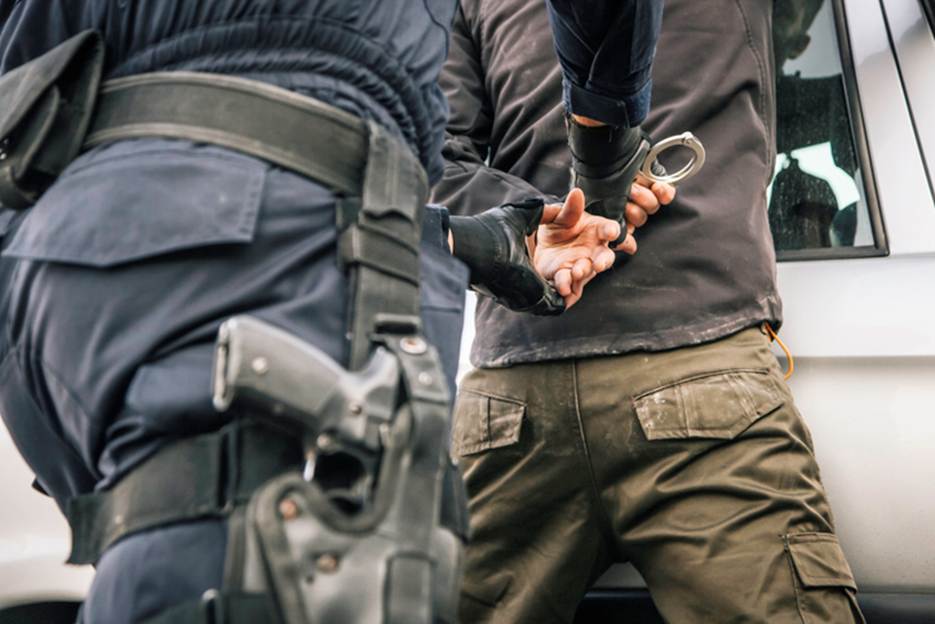
Timelines and Deadlines That Matter
Bronx civil rights lawsuits have strict deadlines. Miss one, and your case could be over before it even starts. That’s why time matters, not just to build your case but to preserve your right to bring it at all.
The first major deadline to know is the Notice of Claim. If the City of New York or any of its departments is involved (which is almost always the case in police misconduct claims), you generally have only 90 days from the date of the incident to file this notice. It’s a formal warning to the city that you intend to bring a lawsuit. Without it, your case could be dismissed before it begins.
Then there’s the statute of limitations. This is the outer time limit to file a lawsuit. Most civil rights claims under Section 1983 must be filed within three years from the date of the misconduct. But that doesn’t mean you should wait. Evidence disappears, video gets deleted, and witnesses forget details. The sooner you act, the better your chances of building a solid case.
If your case involves a wrongful death, there may be additional or shorter deadlines that apply, especially if the estate must be opened first. Cases involving minors or people with disabilities may have slightly different rules, but those exceptions are narrow. Never assume you have more time than you do.
In short, don’t wait. Civil rights cases in the Bronx are time-sensitive. If you think your rights were violated, the clock has already started ticking.
Horn Wright, LLP: Fighting for Bronx Civil Rights Victims
At Horn Wright, LLP, we don’t treat you like just another case file. We understand the pain and fear that comes after police misconduct. That’s why our attorneys build each case personally, piece by piece, with empathy and skill. Whether you're healing from physical injury or emotional trauma, we make sure your voice is heard, your rights are respected, and your future gets the protection it deserves.
If you were hurt, wrongfully detained, or falsely charged by NYPD officers in the Bronx, reach out to our civil rights team today. Let’s talk about what happened, and what you can do next.

What Sets Us Apart From The Rest?
Horn Wright, LLP is here to help you get the results you need with a team you can trust.
-
Client-Focused ApproachWe’re a client-centered, results-oriented firm. When you work with us, you can have confidence we’ll put your best interests at the forefront of your case – it’s that simple.
-
Creative & Innovative Solutions
No two cases are the same, and neither are their solutions. Our attorneys provide creative points of view to yield exemplary results.
-
Experienced Attorneys
We have a team of trusted and respected attorneys to ensure your case is matched with the best attorney possible.
-
Driven By Justice
The core of our legal practice is our commitment to obtaining justice for those who have been wronged and need a powerful voice.