


Bronx Federal Court vs. State Court for Civil Rights Cases: Where Claims Get Filed
Why the Filing Location Matters More Than You Think
When someone’s constitutional rights are violated in the Bronx, one of the first strategic decisions is where to file the lawsuit. Federal court? State court? In some cases, both may be options.
The choice is not just about geography. It affects procedural rules, timelines, judges, jury pools, and even how legal standards are applied.
As Bronx civil rights attorneys, we analyze filing strategy carefully before drafting a complaint. At Horn Wright, LLP, we evaluate the type of claims involved, the defendants named, and the evidence available before deciding where the case belongs. Filing in the wrong forum can complicate matters. Filing strategically can strengthen leverage.
Court selection is not random. It is tactical.
Understanding Section 1983 and Federal Jurisdiction
Most police misconduct lawsuits in the Bronx are brought under Section 1983, a federal statute that allows individuals to sue government actors for violating constitutional rights.
Section 1983 claims typically involve allegations such as excessive force, false arrest, unlawful search and seizure, or denial of medical care while in custody. Because these claims arise under federal law, federal courts have original jurisdiction.
That means plaintiffs can file directly in federal court. Defendants may also remove certain cases from state court to federal court if federal claims are included.
Understanding how Section 1983 works helps clarify why federal court is often the primary venue.
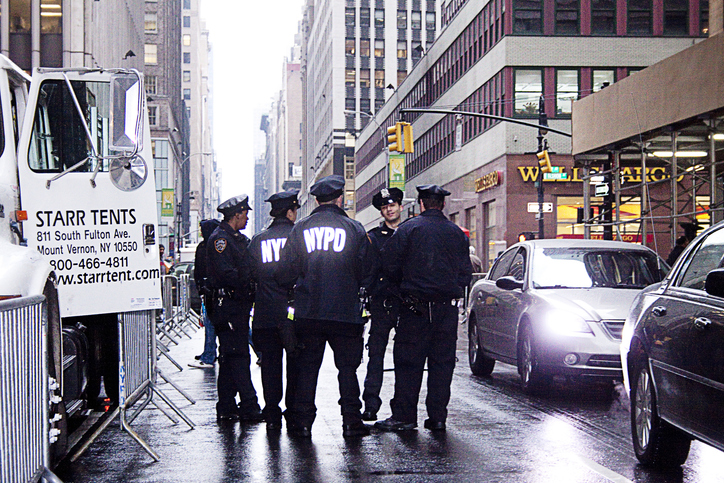
Federal Court in the Bronx
Federal civil rights cases arising in the Bronx are generally filed in the United States District Court for the Southern District of New York.
Federal court follows the Federal Rules of Civil Procedure. Discovery deadlines are structured. Motion practice is often rigorous. Judges may strictly enforce pleading standards, especially at the motion-to-dismiss stage.
Federal juries are drawn from a broader geographic area than just the Bronx. This can affect trial dynamics.
Appeals from federal civil rights cases proceed to the United States Court of Appeals for the Second Circuit, which shapes constitutional interpretation across New York.
Federal court is often viewed as the primary forum for constitutional claims.
When State Court Is an Option
State courts can also hear certain civil rights cases. While Section 1983 claims arise under federal law, state courts have concurrent jurisdiction over many federal claims unless Congress provides otherwise.
Additionally, state law claims, such as assault, battery, or negligent supervision, may be filed in state court.
In some cases, plaintiffs file in state court to include both federal and state claims together. However, defendants may remove the case to federal court if federal constitutional claims are asserted.
The decision to file in state court may be influenced by strategic considerations, including perceived procedural differences and case management style.
Choosing the Right Claims Affects the Forum
Claim selection often determines filing location. If the case focuses heavily on federal constitutional violations under Section 1983, federal court is common.
If the case includes substantial state law components, such as intentional tort claims, plaintiffs may consider state court. However, combining federal and state claims in one complaint may still lead to removal to federal court.
Excessive force, false arrest, and unlawful search claims typically fall under federal constitutional analysis. Careful drafting clarifies whether the case centers on federal law, state law, or both.
The claims you choose influence where the case proceeds.
Suing the City vs. Individual Officers and Forum Impact
Whether you sue individual officers, the City, or both can also influence strategy.
Claims against individual officers under Section 1983 are often litigated in federal court. Claims against the City for policy-based liability are also commonly addressed in federal forums.
If state law claims are emphasized and federal claims are limited or excluded, state court may remain the forum. However, this approach carries trade-offs. Excluding federal claims may limit recovery options or legal leverage.
Strategic defendant selection and claim drafting work together to determine venue.
Procedural Differences Between Federal and State Court
Federal court tends to emphasize structured scheduling orders and formal discovery processes. Summary judgment practice is common and can be decisive.
State courts may follow different scheduling timelines. Some litigants perceive state courts as more flexible in certain procedural aspects, though this varies by judge. Federal pleading standards often require detailed factual allegations from the outset. Insufficiently specific complaints may face dismissal early. Understanding these procedural differences helps shape filing decisions.
Timeline Considerations
Federal civil rights cases often proceed through defined phases: complaint, motion to dismiss, discovery, depositions, potential mediation, and trial. State court cases may follow a different rhythm depending on the assigned judge and case complexity.
The timeline can influence settlement dynamics. Some defendants prefer federal court structure. Others assess risk similarly regardless of venue. Where a case is filed may affect how quickly it reaches key milestones.
Removal and Transfer Issues
Even if a case is filed in state court, defendants may remove it to federal court if federal claims are present. Removal is governed by statutory rules and strict deadlines.
Once removed, the case proceeds under federal procedural standards. Transfer between courts is not automatic and depends on jurisdictional principles. Understanding removal risk prevents surprises after filing.
Appeals and Legal Standards
Federal appeals go to the Second Circuit, which develops binding precedent for federal courts in New York. State court appeals follow a different appellate path within the New York court system.
Appellate standards can influence how certain legal doctrines are interpreted, including qualified immunity and municipal liability.
Choosing a forum also means choosing the appellate structure that may govern future review. Strategic foresight matters.
Practical Considerations for Plaintiffs
When deciding where to file, practical questions arise:
- What claims are strongest?
- Which defendants will be named?
- Are federal constitutional claims central?
- How detailed is the evidence available at filing?
- What procedural environment best suits the case?
These are not abstract concerns. They directly affect motion practice, discovery disputes, and trial preparation.
The filing decision is one of the first strategic moves in civil rights litigation.
Speak with Bronx Civil Rights Lawyers About Filing Strategy
Choosing between federal and state court for a Bronx civil rights case depends on the claims asserted, the defendants involved, and the overall litigation strategy. Section 1983 claims, excessive force allegations, and municipal liability theories often shape where cases are filed.
The Bronx civil rights lawyers at Horn Wright, LLP, analyze filing options carefully to position cases effectively from the start. If you are considering legal action and want to understand where your claims may belong, call 855-465-4622 to schedule a confidential consultation.

What Sets Us Apart From The Rest?
Horn Wright, LLP is here to help you get the results you need with a team you can trust.
-
Client-Focused ApproachWe’re a client-centered, results-oriented firm. When you work with us, you can have confidence we’ll put your best interests at the forefront of your case – it’s that simple.
-
Creative & Innovative Solutions
No two cases are the same, and neither are their solutions. Our attorneys provide creative points of view to yield exemplary results.
-
Experienced Attorneys
We have a team of trusted and respected attorneys to ensure your case is matched with the best attorney possible.
-
Driven By Justice
The core of our legal practice is our commitment to obtaining justice for those who have been wronged and need a powerful voice.