


Suing the Wrong Defendant in Bronx Civil Rights Cases: How to Fix It
When the Lawsuit Names the Wrong Party
Filing a civil rights lawsuit in the Bronx can feel urgent. You want accountability. You want action. But sometimes, in the rush to file, the wrong defendant is named.
Maybe the lawsuit names the NYPD instead of the City of New York. Maybe it sues only the City but not the individual officers involved. Maybe it names an officer who was present but not directly responsible for the conduct at issue.
These mistakes happen. The important question is whether they can be corrected.
As Bronx civil rights attorneys, we evaluate defendant selection carefully before filing. At Horn Wright, LLP, we analyze who acted, who supervised, and which entity may be legally responsible. When errors occur, we focus on procedural tools to fix them before they permanently damage the case.
Correcting course early is often possible. Waiting too long can create problems.
Why Defendant Selection Is So Important
Civil rights claims are not just about what happened. They are about who is legally responsible for what happened.
In excessive force cases, the officer who applied force may be individually liable. In false arrest cases, the arresting officer may be central. In unlawful search cases, the officer who ordered or conducted the search may be responsible. At the same time, municipal liability may arise if a policy, practice, or failure in training contributed to the violation.
Choosing the right claims and pairing them with the correct defendants shapes the entire lawsuit. A strong claim against the wrong party can still fail.
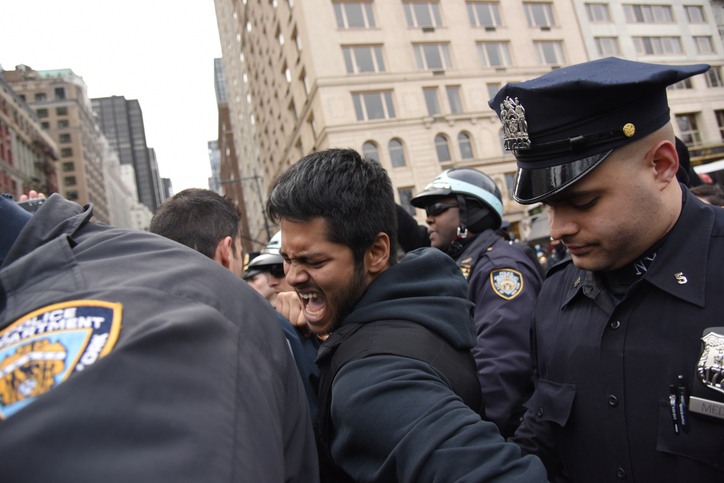
Suing the City vs Suing Individual Officers
One of the most common mistakes in Bronx civil rights litigation is confusing the roles of the City and individual officers.
You generally cannot sue the NYPD as a standalone entity. Instead, claims involving police conduct are typically brought against the City of New York and/or individual officers.
Suing an individual officer requires proof that the officer personally participated in the constitutional violation. Suing the City requires proof of a broader policy or custom that caused the harm.
These are different legal standards. They require different evidence. Naming one does not automatically substitute for naming the other.
Strategic defendant selection ensures the right theories are applied to the right parties.
What Happens If the Wrong Defendant Is Named
If the wrong defendant is named, the defense may file a motion to dismiss. They may argue that the named party is not legally capable of being sued or was not personally involved.
Courts review whether the complaint properly identifies responsible actors. If it does not, dismissal can occur.
However, dismissal is not always the end. In many cases, plaintiffs can amend the complaint to correct the error, especially if the statute of limitations has not expired.
Amending the Complaint to Add or Substitute Defendants
Federal rules allow plaintiffs to amend complaints under certain circumstances. If discovery reveals the correct identity of officers involved, a motion to amend may be filed.
Courts consider whether the amendment relates back to the original filing date. This concept can preserve claims even if the statute of limitations has technically passed, provided specific legal requirements are met.
For example, if an officer was initially listed as “John Doe” because their identity was unknown, later discovery may allow substitution once the name is confirmed. The key is acting promptly and following procedural rules carefully.
The Role of Discovery in Fixing Defendant Errors
Discovery often uncovers who did what. Body camera footage, dispatch logs, duty rosters, and internal reports clarify roles. If identity was uncertain at filing, discovery can resolve that uncertainty. Depositions may reveal which officer made a decision or applied force.
This is why early investigation matters. The stronger the initial documentation, the less likely defendant errors become. Still, when mistakes happen, discovery can be the corrective tool.
Federal vs State Court Considerations
Where the case is filed also affects how defendant issues are handled. Many Bronx civil rights lawsuits are filed in federal court under Section 1983.
Federal cases are typically handled in the United States District Court for the Southern District of New York, which applies federal procedural rules for amendments and substitution of parties.
Some related claims may be filed in state court, depending on the legal theories involved. Different courts apply different procedural standards.
Understanding filing location helps determine how easily defendant errors can be corrected.
Appeals and Procedural Standards
If a case is dismissed because of improper defendant naming, appellate review may be available. In federal cases, appeals proceed to the United States Court of Appeals for the Second Circuit.
Appellate courts review whether procedural rules were applied correctly and whether amendments should have been permitted. Appeals take time and add complexity. Correcting errors early is usually more efficient than challenging dismissals later. Procedural precision prevents unnecessary delay.
Interaction with Claim Selection
Defendant errors often connect to claim selection. If the lawsuit alleges excessive force but names only the City without a policy-based claim, dismissal may follow.
If it alleges false arrest but sues a supervisory official who was not personally involved, liability may not attach.
Claims and defendants must align. Excessive force claims typically target the officer who used force. Policy claims target the municipality. Search and seizure claims focus on the officer who conducted or ordered the search.
Alignment between facts, claims, and defendants strengthens the case.
Preventing Defendant Errors from the Start
The best solution is prevention. That means:
- Reviewing arrest paperwork carefully
- Examining body camera and dispatch records
- Identifying all officers present
- Evaluating whether policy-based claims are appropriate
- Filing in the correct court
Careful pre-filing analysis reduces the likelihood of procedural setbacks.
Litigation strategy begins before the complaint is drafted.
Speak with Bronx Civil Rights Lawyers About Correcting Defendant Errors
Suing the wrong defendant in a Bronx civil rights case can lead to dismissal, but in many situations, procedural rules allow amendments if action is taken quickly. Aligning claims with the correct parties, whether individual officers or the City, is essential for a strong case.
The Bronx civil rights lawyers at Horn Wright, LLP, analyze defendant selection carefully and move promptly to correct errors when necessary. If you are concerned that the wrong party was named in your case or want guidance before filing, call 855-465-4622 to schedule a confidential consultation.

What Sets Us Apart From The Rest?
Horn Wright, LLP is here to help you get the results you need with a team you can trust.
-
Client-Focused ApproachWe’re a client-centered, results-oriented firm. When you work with us, you can have confidence we’ll put your best interests at the forefront of your case – it’s that simple.
-
Creative & Innovative Solutions
No two cases are the same, and neither are their solutions. Our attorneys provide creative points of view to yield exemplary results.
-
Experienced Attorneys
We have a team of trusted and respected attorneys to ensure your case is matched with the best attorney possible.
-
Driven By Justice
The core of our legal practice is our commitment to obtaining justice for those who have been wronged and need a powerful voice.