


Are You a Victim of Police Retaliation? Know Exactly How to Fight Back
Police Retaliation Feels Personal. Because It Is.
When you stand up for yourself, you don’t expect punishment for it, especially from the people who swore to protect your rights.
But in New York State, people who file complaints, record misconduct, or speak out against officers sometimes face intimidation, baseless charges, or aggressive treatment that feels far from accidental. Retaliation happens. It shakes your trust and leaves you wondering what to do next.
Our civil rights attorneys at Horn Wright, LLP, know what retaliation looks like, and we know how to fight it. If you’ve been mistreated after asserting your rights, our civil rights attorneys are here to help you push back legally and powerfully. You shouldn’t have to face this alone, and you don’t have to.
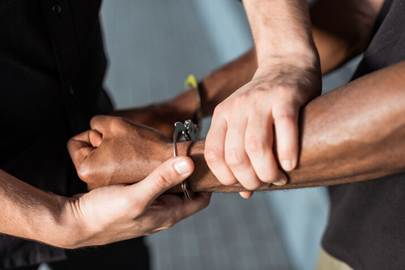
Recognize What Counts as Police Retaliation
Police retaliation in New York rarely announces itself outright. It often hides behind procedure, tone, and timing. You might notice things shift after you’ve spoken out or filed a complaint—more traffic stops, increased visits to your home or workplace, or citations that seem out of the blue. These aren’t coincidences.
Here’s what retaliation might look like:
- An officer follows you repeatedly without cause after you report misconduct
- You’re suddenly charged with resisting arrest after a peaceful interaction
- Police begin questioning your family or friends aggressively
- Officers show up at your workplace without a warrant or clear purpose
These aren’t just frustrating moments. They could signal a serious violation of your rights. In places like Albany or Buffalo, local police departments have faced scrutiny for exactly these kinds of actions. That means you’re not imagining it and you're not overreacting by taking action.
Understand Your Legal Protections Under Federal and State Law
Under the First Amendment, you're protected when you speak out, record public officials, or file a complaint. The Fourth Amendment protects you against unreasonable searches and seizures. These federal protections apply across New York.
New York State adds more layers. Civil Rights Law Section 79-n bars officers from punishing someone for exercising their rights, especially when it’s tied to freedom of speech or filing a grievance. That’s your legal shield.
If you were targeted after speaking to the Civilian Complaint Review Board (CCRB) in NYC or filing a misconduct report with the New York State Division of Human Rights, those acts are protected. Any retaliation in response could form the basis of a legal claim.
Collect and Preserve Every Piece of Evidence
Time matters here. The sooner you start documenting, the stronger your case will be. Don’t wait for things to get worse. Build your record from the first moment something feels off.
Start by writing down:
- What happened
- When and where it happened
- Who was involved (names, badge numbers, car numbers)
- What you were doing before the incident
If you’ve got video, back it up in more than one place. If you received texts, voicemails, or emails from officers or city agencies, take screenshots and save them with dates. New York courts take documentation seriously, especially when it clearly ties an officer’s actions to your prior protected conduct.
Even something as small as a strange voicemail or one-off comment during a stop could later prove intent. Don’t dismiss it. Preserve everything.
Connect the Retaliation to a Protected Activity
This is where retaliation cases often hinge. Courts need to see a real connection between what you did, like recording an arrest in Harlem or filing a complaint with the Rochester Police Accountability Board and how the police responded afterward. That cause-and-effect link builds your legal foundation.
Here’s how to spot the connection:
- The retaliation started soon after your protected activity
- The same officer or department you filed a complaint about is involved again
- The nature of the response—citations, harassment, questioning—is sudden and severe
- You have documentation showing the shift in treatment
Even a small pattern can be enough. If the officer began acting differently right after a complaint or after you testified at a city council meeting, your lawyer can use that to help prove intent. The goal is to link your lawful action to their unlawful response, and that requires specifics.
File an Internal Complaint, Even If You Think It Won’t Help
It might feel pointless. You might not trust the system anymore. But submitting a formal complaint within the department creates a paper trail, and that matters. Even if the department doesn’t act, the record exists and that record can support your future legal case.
To file an internal complaint in New York:
- Ask the department’s internal affairs or public integrity unit for a form
- Submit the complaint in writing
- Be detailed, calm, and factual
- Include copies of any evidence you have
- Save a copy for yourself and note the submission date
In NYC, complaints can also go through the Civilian Complaint Review Board (CCRB). In places like Syracuse or Yonkers, you might work through the police chief’s office or the city’s inspector general. While these complaints don’t guarantee change, they show that you tried to resolve the issue within the system—something courts look at closely.
Report the Retaliation to External Oversight Bodies
If your internal complaint gets ignored—or worse, leads to more mistreatment—it’s time to go higher. New York offers several paths for accountability beyond the local department.
Consider these options:
- New York State Division of Human Rights. Handles retaliation tied to civil rights violations.
- Office of the Attorney General – Civil Rights Bureau. Investigates patterns of abuse and may take broader action.
- Federal options. Report directly to the U.S. Department of Justice Civil Rights Division or FBI.
You can submit complaints online or by mail. Make sure to include any local complaint numbers or evidence. If you’re not sure where to turn, advocacy groups like NYCLU or Legal Aid often provide guidance. Real cases, like the investigations following protests in Brooklyn, have shown how these bodies can step in when local systems fail.
Find Legal Support from Attorneys Who Handle Civil Rights Cases
Retaliation cases require skill, experience, and tenacity. This isn’t something most people can take on alone. The law is detailed. Timelines matter. And the burden of proof falls on you, the victim, to show the retaliation happened and why.
A civil rights attorney will help you:
- Organize and analyze your evidence
- Draft and file legal complaints
- Protect your rights through every step
- Communicate with oversight agencies or courts
- Seek damages or court orders to stop further retaliation
Look for attorneys with real courtroom experience in New York State, especially those who’ve handled retaliation or excessive force claims. Law firms like Horn Wright, LLP, understand the process and how to push back against departments and cities that often try to downplay what happened.
Prepare Emotionally and Practically for the Road Ahead
You’ve already been through enough. Taking legal action might feel overwhelming. That’s normal. Retaliation cases don’t just affect your legal rights—they affect your job, your relationships, your mental health, even where you feel safe.
Start building a support network. Talk to people you trust. Connect with community groups in your area, whether that’s a civil liberties chapter, local advocacy project, or even an online support group.
Also consider:
- Documenting your mental health symptoms
- Keeping records of work disruptions or lost income
- Planning for potential follow-up interactions with law enforcement
- Speaking with a therapist or counselor who understands trauma
This is a process. You won’t fix it overnight. But with help, you can regain control and start feeling safe again.
Know What a Successful Outcome Can Look Like
Not every case ends in a courtroom win. But many do end in change. Courts and agencies may award damages for emotional harm, legal fees, or lost wages. You might see disciplinary action taken against the officer or even larger reforms within the department.
Success might look like:
- A public apology
- A settlement covering financial losses
- A formal finding of misconduct
- Policy changes within the department
- An injunction that prevents future retaliation
Whatever the outcome, you’ll know you stood up for yourself. And in New York, that sends a powerful message—to the system, to your community, and to yourself.
You Don’t Have to Face Retaliation Alone
If you’ve been targeted for standing up, you deserve more than frustration. You deserve support, legal protection, and a path forward.
At Horn Wright, LLP, we help victims of police retaliation across New York hold departments accountable and reclaim their power. Let us stand by your side. You’re not alone, and we’re ready when you are.

What Sets Us Apart From The Rest?
Horn Wright, LLP is here to help you get the results you need with a team you can trust.
-
Client-Focused ApproachWe’re a client-centered, results-oriented firm. When you work with us, you can have confidence we’ll put your best interests at the forefront of your case – it’s that simple.
-
Creative & Innovative Solutions
No two cases are the same, and neither are their solutions. Our attorneys provide creative points of view to yield exemplary results.
-
Experienced Attorneys
We have a team of trusted and respected attorneys to ensure your case is matched with the best attorney possible.
-
Driven By Justice
The core of our legal practice is our commitment to obtaining justice for those who have been wronged and need a powerful voice.