


Arrested for Exercising Your First Amendment Rights? Protect Yourself Legally
Know What Legal Protections Exist in New York
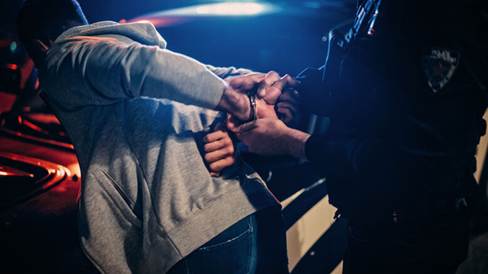
You went to a protest, spoke out in a public square, or filmed police on a city sidewalk. You didn’t cause harm. You didn’t break anything. But you still found yourself surrounded by officers, then suddenly arrested. Maybe it was in Lower Manhattan during a rally or in a park near downtown Syracuse. Wherever it happened, the result felt the same - confusion, fear, and frustration.
That kind of arrest raises real constitutional questions. If you were arrested in New York for expressing your views peacefully, the First Amendment may protect you. And you may have legal options. At Horn Wright, LLP, our civil rights attorneys help New Yorkers understand and defend their rights when those rights are ignored. You don’t have to let that arrest define you. Let’s look at what the law actually says.
What the First Amendment Really Protects
The First Amendment gives people the right to speak freely, gather in public, publish opinions, practice religion, and petition the government. Most First Amendment arrest cases involve speech and assembly, especially protests, recording government officials, or voicing opinions that challenge authority.
In New York, this means you can speak in public parks, sidewalks, and other government-owned areas, as long as you’re not disrupting operations or trespassing on restricted grounds. From Times Square to the steps of the State Capitol in Albany, the right to express your views peacefully holds legal weight.
It doesn’t matter if your speech criticizes law enforcement, public policy, or political figures. The government cannot arrest you just because it disagrees with what you said. These rights don’t disappear when you speak out in a crowd or hold a sign at a march.
Courts across the country, including the Second Circuit, which covers New York, have ruled that peaceful protests and speech criticizing public officials are protected. The law draws a clear line between expression and actual disruption.
When Police Cross the Line: Arresting You for Protected Activity
Law enforcement doesn’t always honor those protections. Sometimes, officers arrest people who speak up, record them, or protest peacefully, claiming those actions are disruptive or threatening. But peaceful protest and critical speech aren’t crimes.
Here are examples of actions that should be protected:
- Holding a sign outside a courthouse
- Recording officers at a traffic stop from a distance
- Speaking loudly but peacefully during a protest
Officers may respond with vague charges like disorderly conduct or resisting arrest. But the City of Houston v. Hill decision made clear that verbal criticism of police, even if harsh, is protected. The courts struck down laws that punished speech simply because officers found it annoying or inconvenient.
In practice, if you didn’t break a law, threaten others, or ignore a clear, lawful order, then your arrest may have violated your rights. Speaking against police or filming them does not give them the right to silence you.
What to Do Right After the Arrest
The hours after an arrest are chaotic. You may feel exhausted or overwhelmed. But what you do next can shape your case. If you believe your First Amendment rights were violated, start gathering facts as soon as you can.
Start with the basics:
- Write down exactly what happened
- Record the time, location, and names or badge numbers
- Save photos, videos, or livestreams
- Collect names of any witnesses
- Request a copy of the arrest report
- Avoid sharing details on social media until speaking with a lawyer
Early documentation matters. The more details you have, what was said, where you stood, how police responded, the stronger your legal position becomes.
If someone else recorded your arrest or if news crews were nearby, try to obtain that footage. Visual evidence often becomes the key factor in a First Amendment case.
How to Tell If Your Rights Were Violated
Not every arrest is illegal. But arrests made in retaliation for speech or protest often cross legal lines. The First Amendment doesn’t protect threats, incitement to violence, or unlawful conduct. Still, many arrests tied to expression fall outside those categories.
Ask yourself a few questions:
- Was I speaking or protesting peacefully?
- Was I in a public space like a sidewalk, street, or park?
- Did officers react to what I said, not what I did?
- Did they use force without clear cause?
If the answer to any of those is yes, your rights may have been violated.
Excessive force during an otherwise calm protest, seizure of your phone while recording, or arrest based solely on what you said all suggest the need for legal review. Your case may involve both First and Fourth Amendment issues, depending on what police did and why.
Civil rights attorneys look for patterns in officer behavior, evidence of retaliation, and any official reports that conflict with witness accounts or video.
Legal Options After a Wrongful Arrest
People often don’t realize they can sue after an unconstitutional arrest. But federal law allows you to take legal action against officers or agencies that violate your rights.
Section 1983 of Title 42 of the U.S. Code gives individuals the legal power to file civil rights claims. the power to file civil rights claims. These lawsuits hold government employees accountable when they act outside the law.
In New York, if you were arrested for expressing yourself peacefully, you may be able to pursue:
- Financial compensation for emotional harm or lost wages
- Expungement of the arrest record
- Injunctive relief to stop future rights violations
- Reforms or training within the department
Building a strong case often involves:
- Police body cam or bystander footage
- Testimony from people nearby
- Arrest records and booking details
- Consistent personal notes and a timeline
Winning a First Amendment case can restore your voice. And it sends a message: rights must be respected.
Challenges You Might Face in a First Amendment Case
First Amendment lawsuits can be difficult, even with clear facts. Officers may argue you refused a lawful order, became aggressive, or created a public disturbance. The goal is often to justify the arrest by shifting blame.
These are common legal obstacles:
- Officers use vague charges like "disorderly conduct"
- No bystander videos or media coverage
- Arrest reports omit or misstate the reason for arrest
- Judges defer to officers’ claims unless proven otherwise
But those challenges don’t mean your case is weak. A good legal team knows how to challenge inconsistencies, find supporting evidence, and argue that your actions were protected.
Civil rights cases require strategy and persistence. That’s why having the right lawyer matters. The legal path is complex, but the right support helps you push through it.
How to Protect Your Rights Going Forward
If you were arrested for speaking out, you might feel hesitant to protest again. That’s understandable. But knowledge is power. Knowing how to assert your rights safely gives you confidence the next time you want to speak up.
Here are a few simple tips:
- Stay in public areas like sidewalks and plazas
- Film police interactions from a safe distance
- Avoid aggressive language or physical gestures
- Follow clear police orders unless they violate your rights
- Save videos to cloud storage in real time if possible
Groups like the New York Civil Liberties Union (NYCLU) offer legal resources and protestor support throughout New York State. If you’re planning to attend a demonstration, check their resources first.
Staying informed is the best way to protect yourself. And helping others understand their rights creates a stronger, safer public space for everyone.
Free Speech Deserves a Legal Defense
If New York police arrested you while you were exercising your right to speak, record, or assemble, your rights may have been violated. These aren’t small moments. Arrests tied to speech can shape how safe you feel, how freely you live, and whether your voice continues to matter.
At Horn Wright, LLP, we work with people who were punished for using their voice in public. Our attorneys understand civil rights law and how New York officers and courts handle First Amendment cases. If you were arrested while exercising your rights, we’re here to help you fight back.

What Sets Us Apart From The Rest?
Horn Wright, LLP is here to help you get the results you need with a team you can trust.
-
Client-Focused ApproachWe’re a client-centered, results-oriented firm. When you work with us, you can have confidence we’ll put your best interests at the forefront of your case – it’s that simple.
-
Creative & Innovative Solutions
No two cases are the same, and neither are their solutions. Our attorneys provide creative points of view to yield exemplary results.
-
Experienced Attorneys
We have a team of trusted and respected attorneys to ensure your case is matched with the best attorney possible.
-
Driven By Justice
The core of our legal practice is our commitment to obtaining justice for those who have been wronged and need a powerful voice.