


Arrested for Resisting an Illegal Arrest? Why You Could Have a Civil Rights Claim in New York
Know When a Resisting Arrest Charge Violates Your Rights
Getting arrested is traumatic. But being arrested while trying to protect yourself from an illegal arrest? That’s something else entirely.
People across New York face this exact situation every year. You may have been stopped without reason, handled aggressively, and then charged with resisting. Maybe you tried to ask questions, assert your rights, or pull away when things felt unsafe. Suddenly, you’re in handcuffs.
At Horn Wright, LLP, our civil rights attorneys help people stand up after unlawful police encounters. If you were charged with resisting arrest during an incident that never should have happened in the first place, you may have a civil rights claim. We understand how to fight these cases, challenge official narratives, and hold law enforcement accountable.
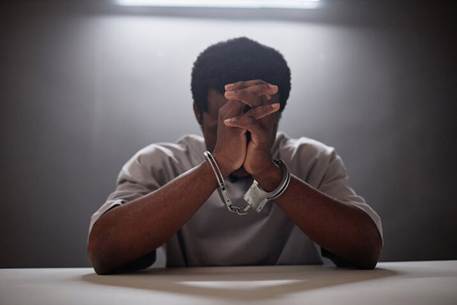
Begin With the Basics: What Counts as an Illegal Arrest
In New York, police need probable cause to make an arrest. That means they must have facts, not just suspicion, that show a specific person likely committed a crime. Without it, the arrest may be considered illegal.
An illegal arrest happens when officers:
- Act on incorrect or vague information
- Rely only on race, location, or behavior that isn’t criminal
- Confuse identity and grab the wrong person
For example, let’s say you were walking down the street in Albany. A nearby robbery had occurred, and you “matched the description.” No further evidence linked you to the scene. An officer handcuffs you without asking questions or checking facts. That’s a situation where probable cause may not exist, and the arrest itself could be unlawful.
Illegal arrests don’t always involve violence. Sometimes they come from mistakes or bias. But that doesn’t make them any less harmful, or any more legal.
Can You Legally Resist an Unlawful Arrest in New York?
Here’s where things get complicated. In many states, people have some legal right to resist an illegal arrest. New York takes a different view.
Under New York Penal Law Section 205.30, resisting arrest is a criminal offense, even if the original arrest turns out to be unlawful. That may sound unfair, and for many people, it feels deeply unjust. The law says that physical resistance, even when you're being wrongly arrested, can still be prosecuted.
But there’s another side. If the arrest was illegal and you were treated unfairly, you can still pursue a civil claim. The fact that you were charged with resisting doesn’t erase your rights. Courts in New York have allowed people to sue when excessive force or bad arrests led to resisting charges.
So while the law may prevent you from fighting back physically in the moment, it does give you a way to fight back legally afterward. Learn more about New York’s penal code for resisting arrest.
Why Charges of Resisting Arrest Often Mask Police Misconduct
Resisting arrest is a vague charge. It often gets added when officers can’t support the reason they stopped or detained someone. Civil rights attorneys and watchdog groups across New York have seen this pattern again and again, especially in communities like the Bronx, Flatbush, and Buffalo.
Here are signs that a resisting charge might be covering up misconduct:
- The officer never gave a clear reason for the stop
- No charges were filed for any other crime
- The arrest involved force before any resistance occurred
- Body cam footage shows the person asking questions, not fighting
- Witnesses describe police acting aggressively or escalating things quickly
In some civil rights lawsuits, courts have found that resisting arrest was used as a shield. Officers may claim someone was aggressive or combative when, in fact, they were simply confused or afraid. That’s why context matters. It’s about why the arrest happened and how it played out.
How Courts View Civil Rights Claims After a Wrongful Arrest
If you were arrested without cause and then charged with resisting, the law still offers protection. You can bring a civil rights claim under 42 U.S.C. Section 1983, which allows people to sue for constitutional violations by government actors, including police officers.
In civil court, the judge looks at the bigger picture:
- Did the officer have probable cause to arrest you?
- Was excessive force used during the arrest?
- Was the resisting charge supported by evidence?
If the answers point toward misconduct, the court may allow your case to proceed even if you faced criminal charges afterward.
A good example comes from a case in Rochester, where an individual was arrested for resisting after questioning why he was being detained. The resisting charge stuck, but the court agreed to hear a civil suit focused on the unlawful nature of the initial arrest and the officer’s use of force.
The takeaway? A resisting charge doesn’t always block a civil claim, especially not if the facts support your side.
What Evidence Strengthens a Civil Rights Claim
Building a strong case takes more than telling your story. It requires evidence, often from the police department itself. New York’s public records laws make it possible to request the documents and video that can support your version of events.
Helpful evidence can include:
- Body cam or surveillance footage
- Arrest reports and officer statements
- Medical records from any injuries
- Radio dispatch recordings
- Statements from witnesses or bystanders
- Internal affairs records showing prior complaints
Let’s say you were tackled and arrested in Queens for allegedly resisting. If video shows you standing calmly with your hands visible before being thrown to the ground, that footage becomes a powerful piece of evidence. Especially if the officer’s report says you were aggressive.
Documentation helps cut through false narratives. It puts control back in your hands.
What to Do If You Were Arrested for Resisting but Believe the Arrest Was Illegal
If you walked away from the incident feeling violated or confused, don’t ignore that feeling. There are real steps you can take.
- Write down every detail you remember, including time, location, officer names or badge numbers
- Seek medical treatment if you were injured and keep all records
- Ask any witnesses to write down what they saw
- File a Freedom of Information Law (FOIL) request to obtain police reports or video
- Consult with a civil rights attorney as soon as possible
You should also save court records related to the resisting charge. Even if the case was dismissed or reduced, those records can become part of a larger civil claim. In places like Utica or Hempstead, smaller police departments may not have body cameras, but they still must document arrests.
Acting quickly helps preserve evidence. The more you gather early, the better your chances of building a case that stands up in court.
Real Case Example: When Victims Pushed Back
In one case out of Manhattan, a young man was approached by NYPD officers while walking through his neighborhood. They claimed he matched the description of a suspect but never explained what crime had occurred. When he asked for clarification, one officer shoved him, and the situation escalated. He was arrested for resisting.
His family filed a civil suit. The resisting charge was eventually dropped. Through discovery, they obtained body cam footage showing the officer had no reason to initiate contact. The video showed the young man remaining calm and asking questions. The city later settled the lawsuit, and the officer was reassigned.
Stories like this show the power of evidence and the importance of challenging misconduct.
Why Legal Representation Matters in These Cases
Police reports rarely tell the whole story. Officers often write in broad terms or leave out key moments that cast their actions in a bad light. An experienced civil rights attorney knows how to look deeper.
Attorneys who handle these cases regularly:
- Compare body cam footage to written reports
- Cross-check officer statements with timestamps and dispatch logs
- Challenge inconsistencies in court
- Demand discovery and depositions from involved officers
- Use legal tools to expose patterns of misconduct
In New York, every police department, from NYC to Suffolk County, has different internal systems. A skilled legal team knows how to work with those systems, request the right documents, and build a case from the inside out.
Final Takeaway: You Have the Right to Be Treated Lawfully
Being arrested for resisting when the arrest itself was illegal adds insult to injury. It leaves you feeling powerless, confused, and angry.
But the law gives you a path to push back. You have the right to file a civil rights claim, to uncover what really happened, and to hold officers accountable.
At Horn Wright, LLP, we stand with New Yorkers who have faced these unlawful encounters. If this happened to you, we’re here to listen, to investigate, and to help you take action.

What Sets Us Apart From The Rest?
Horn Wright, LLP is here to help you get the results you need with a team you can trust.
-
Client-Focused ApproachWe’re a client-centered, results-oriented firm. When you work with us, you can have confidence we’ll put your best interests at the forefront of your case – it’s that simple.
-
Creative & Innovative Solutions
No two cases are the same, and neither are their solutions. Our attorneys provide creative points of view to yield exemplary results.
-
Experienced Attorneys
We have a team of trusted and respected attorneys to ensure your case is matched with the best attorney possible.
-
Driven By Justice
The core of our legal practice is our commitment to obtaining justice for those who have been wronged and need a powerful voice.