


Can You Challenge Police Use of Facial Recognition Technology?
Legal Options for Challenging Facial Recognition Arrests
After an arrest, most people feel extremely stressed out. If that arrest came from a facial recognition match, things can feel even more uncertain. Many New Yorkers don’t realize they have the right to question how law enforcement uses that technology. Facial recognition may seem high-tech, but it’s not foolproof. When it’s wrong, the consequences are personal.
At Horn Wright, LLP, we represent people across New York State facing criminal charges tied to surveillance and digital evidence. If facial recognition played a role in your case, we’re here to help. Our civil rights attorneys digs into the facts, challenges unreliable technology, and holds law enforcement accountable for mistakes. You deserve a defense built on truth, not faulty software.
Understand How Police Use Facial Recognition
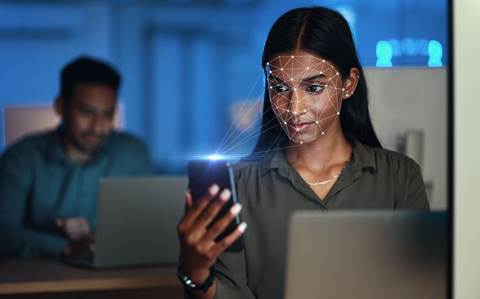
Facial recognition is already in active use across New York. Police departments use it to scan surveillance footage, DMV photos, and sometimes even social media images. The NYPD has relied on this technology in thousands of investigations. Albany, Rochester, and other departments across the state have access to similar systems. Typically, police isolate a face from surveillance video, then scan it against mugshots or DMV images. If the system finds a match, it may become part of the investigation.
But the technology isn’t always accurate. Its reliability drops when video is blurry, lighting is poor, or the angle obscures facial features. Small errors in these situations can lead to wrongful accusations. And when that happens, the damage can be serious, even before anyone steps into a courtroom.
Know When Police Use Facial Recognition Legally
New York State doesn’t currently restrict how police use facial recognition. There’s no clear state law that limits it or requires warrants. Departments set their own rules. The NYPD has internal policies, but they’re only partly public.
In most cases, police don’t need a warrant to run a scan. Courts often treat it as basic investigation work, not a search. So officers may use facial recognition early in a case, long before they make an arrest or gather other evidence.
That raises real concerns about oversight and fairness.
- No state-level regulation sets boundaries on the technology.
- Police can use private databases without telling the public.
- Investigations may include facial recognition without revealing it to defense teams.
The lack of transparency makes it difficult for New Yorkers to know when the technology influenced an arrest. That can create barriers to building a proper defense.
Learn Why Facial Recognition Misidentifies People
Facial recognition doesn’t treat everyone the same. Studies show it misidentifies people of color, women, and younger individuals more often than others. These errors aren’t rare. They’re built into how the technology works.
One factor is how the software is trained. If it relies heavily on images of white men, it tends to perform poorly on other groups. Another factor is image quality. Surveillance footage in places like subway stations or convenience stores may be grainy or poorly lit, which makes identification harder.
What increases the risk of a bad match:
- Dark or blurry surveillance video
- Faces partially obscured by hats, glasses, or masks
- Fast or careless analysis by investigators
- Software trained on limited or skewed datasets
Errors caused by facial recognition have already led to arrests, even though the evidence wasn’t strong. These cases highlight the need to question how reliable this technology truly is.
Explore Your Rights
You don’t lose your rights because a computer says you look like someone. In New York, both state and federal law protect you from unjust treatment based on unreliable evidence.
Start with the U.S. Constitution:
- Fourth Amendment protections apply if police conduct an unreasonable search or seizure. That includes situations where facial recognition leads to arrest without sufficient proof.
- Fourteenth Amendment guarantees due process. If facial recognition unfairly targets you because of race or age, that could form part of a discrimination claim.
At the state level, changes in New York civil rights law have made it easier to investigate police actions. After the repeal of Civil Rights Law § 50-a, disciplinary records for officers are now public. This transparency helps hold police accountable when errors happen.
Request Police Records
New York’s Freedom of Information Law (FOIL) lets you request police records tied to your case. That includes anything related to facial recognition. If you suspect this technology led to your arrest, filing a FOIL request may give you answers.
Each police department in New York handles FOILs separately. For example, the NYPD has an online portal, while Albany PD accepts written requests. You’ll want to be specific so the agency knows what to look for.
Include these key points in your request:
- Your name and the date of the incident
- The case number if you have it
- A description like: “Any use of facial recognition, biometric software, or image analysis tools in the investigation of [your name]”
Some agencies may delay or redact responses, but persistence matters. FOIL laws apply across the state and give you the right to understand how you were identified, especially when procedures relate to civil litigation essentials.
File a Legal Challenge in Court
If facial recognition led to your arrest, you may be able to challenge it in court. New York law allows several legal strategies, depending on how the tech was used.
Most cases begin in local criminal courts, such as those in Manhattan, Brooklyn, or Monroe County. From there, your attorney may:
- File a motion to suppress the facial recognition match as unreliable
- Request access to technical data about how the match was made
- Use expert testimony to show the risks of mistaken identification
There’s also the option of filing a civil lawsuit for wrongful arrest. These cases often rely on proving that facial recognition created an unjust process. If successful, they can lead to compensation or a change in how police use surveillance technology.
Legal challenges are complex. But they’re a vital part of protecting your rights when unreliable tools impact your life.
Work with a Criminal Defense Lawyer
A skilled criminal defense lawyer does more than show up in court. When facial recognition plays a role, an experienced attorney can press prosecutors for more information, request technical disclosures, and challenge evidence.
In many New York jurisdictions, facial recognition is still treated as new ground. That makes it important to work with someone who understands how to handle digital evidence and emerging technology. Lawyers with experience in this area can:
- Request disclosures of software settings and accuracy rates
- Subpoena communication between officers and analysts
- Exclude flawed matches before they reach a jury
These cases often involve unlawful arrests that meet the legal definition of false imprisonment, especially when driven by flawed or incomplete identification methods.
Stay Informed About Surveillance Reforms
State lawmakers and advocacy groups continue to call for stronger oversight of facial recognition. While no statewide ban exists yet, bills in the New York State Assembly propose limiting the use of biometric tools in law enforcement. Groups like the New York Civil Liberties Union (NYCLU) and Stop Spying NY have pushed for moratoriums, increased transparency, and clearer standards for how police access and use digital tracking technologies.
They argue that unchecked surveillance erodes public trust. In response, the state has held public hearings and courts have begun to shape the legal boundaries. Even without new laws in place, staying informed helps New Yorkers understand evolving risks and push back when technology threatens individual rights.
You Can Protect Your Rights and Challenge Unfair Technology
If facial recognition played a role in your arrest or investigation, you don’t have to stay silent. You have rights, and in New York, there are legal tools to fight back. From requesting records to challenging evidence in court, you can push back against unjust technology and protect your future.
Horn Wright, LLP, stands ready to help. Our attorneys understand the risks of facial recognition and how to challenge its use in courtrooms across New York State. If you’re facing charges based on faulty tech, we’ll dig deep, demand answers, and fight to protect your rights, every step of the way.

What Sets Us Apart From The Rest?
Horn Wright, LLP is here to help you get the results you need with a team you can trust.
-
Client-Focused ApproachWe’re a client-centered, results-oriented firm. When you work with us, you can have confidence we’ll put your best interests at the forefront of your case – it’s that simple.
-
Creative & Innovative Solutions
No two cases are the same, and neither are their solutions. Our attorneys provide creative points of view to yield exemplary results.
-
Experienced Attorneys
We have a team of trusted and respected attorneys to ensure your case is matched with the best attorney possible.
-
Driven By Justice
The core of our legal practice is our commitment to obtaining justice for those who have been wronged and need a powerful voice.