


Can You Sue Police for Mishandling Your Case Evidence?
What You Need to Know About Legal Options and Evidence Mishandling
When police mishandle evidence, the damage can feel permanent. Maybe key footage disappeared. Maybe DNA was never tested. Maybe officers said something was lost, and now you’re stuck facing consequences that never should’ve been yours. If that sounds familiar, you're not alone. Across New York State, people have faced serious setbacks because the people tasked with protecting evidence got careless, or worse, deliberately negligent.
At Horn Wright, LLP, we understand how deeply frustrating it is to see your case unravel because of law enforcement error. Our civil rights attorneys are ready to look closely at what happened, identify every legal option available to you, and hold the right people accountable. If you believe the police mishandled critical evidence in your case, we’re here to help you take the next step forward.
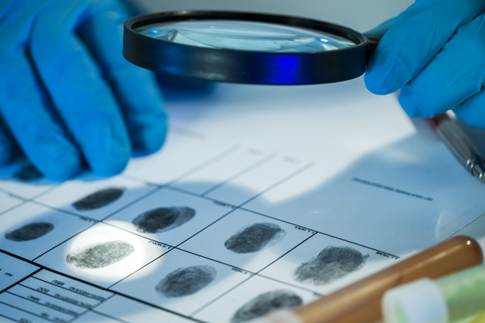
What Mishandling of Evidence Looks Like in New York
When most people think of evidence, they picture fingerprints, videos, or reports locked in storage. But evidence handling involves much more than storing boxes or files. In New York, mishandling can happen at any stage, from collection at a crime scene to preservation months later.
Here are some examples:
- NYPD body cam footage that mysteriously disappears
- DNA test results that never get submitted to the lab
- Chain-of-custody logs that go missing in Buffalo precincts
- Crucial witness statements ignored by officers in Rochester
- Surveillance videos recorded but never shared with defense attorneys
Each mistake changes the outcome. Some are careless. Others are deliberate. Either way, when evidence gets lost, mislabeled, destroyed, or tampered with, it directly impacts your ability to fight for justice.
Legal Duties of Law Enforcement Under New York Law
Police don’t get to treat evidence casually. Under New York law, they have specific responsibilities they must follow when collecting, storing, and maintaining materials tied to criminal and civil investigations.
Article 240 of the New York Criminal Procedure Law outlines discovery obligations. These include timely sharing of materials with the defense. On top of that, federal law, especially under Brady v. Maryland, requires law enforcement to disclose any exculpatory evidence. Failing to do so can violate your constitutional rights.
In short, the law expects police to:
- Secure all physical and digital evidence
- Maintain accurate chain-of-custody records
- Preserve potentially favorable materials for the defense
Once police become aware that evidence matters to a case, they’re expected to protect it.
How Mishandled Evidence Can Impact Your Case
When key evidence goes missing or gets altered, the fallout can be devastating. It’s about real lives. In New York, cases have collapsed or dragged on for years due to evidence problems that never should’ve happened.
In Manhattan, there have been reports of video footage being "unavailable" right when someone needed to prove their innocence. Across the state, wrongful convictions have come to light after evidence was mishandled or lost.
These kinds of errors can lead to:
- Unfair charges never being dropped
- Trials based on incomplete or false narratives
- Sentences handed down without all the facts
- Civil suits dismissed for lack of proof
If law enforcement fumbles critical information, it affects your reputation, your record, and your future.
Can You Actually Sue Police in New York for Mishandled Evidence?
In some cases, yes, you can sue. But it depends on the facts and how the law applies to them. Suing police officers or departments in New York isn’t easy, mainly because of a legal shield called qualified immunity. This doctrine protects officers from lawsuits unless their actions clearly violated an established right.
That said, there are exceptions. If the mishandling was intentional, reckless, or showed gross negligence, you may have a case.
Potential legal options include:
- Section 1983 claims: This federal law allows you to sue for civil rights violations, including due process failures tied to evidence suppression. Learn more about your options by reviewing civil rights litigation.
- State negligence claims: In rare cases, victims can sue for spoliation of evidence or failure to follow proper procedures.
- False arrest or malicious prosecution suits: If mishandled evidence played a role in charges being filed or kept alive unfairly, you may have grounds to pursue action. Our guide on examples of false imprisonment explains how these claims unfold.
Each path requires strong evidence that links police conduct to direct harm.
Key Legal Standards Courts Look At
If you file a lawsuit, the court won’t just accept that something went wrong. They’ll ask tough questions about what happened and how it affected your legal rights.
Here’s what New York courts consider:
- Intent: Was the evidence mishandled accidentally, or did officers act with knowledge or reckless disregard?
- Materiality: Would the evidence have made a real difference to your case outcome?
- Causation: Can you prove the mishandling directly harmed your legal position or denied you due process?
Courts weigh these factors heavily. In a Brooklyn case involving destroyed surveillance footage, a judge found the police liable because the missing video would’ve significantly changed how the jury saw the events. That’s the kind of direct connection courts want to see.
Gathering Proof: What You’ll Need to File a Claim
If you’re serious about suing, your first job is to build a strong foundation of facts. That means gathering proof of what went wrong, and how it affected you.
Start by documenting everything:
- Original police reports (request copies from your local precinct)
- FOIL (Freedom of Information Law) requests for internal records
- Chain-of-custody documentation
- Court transcripts showing missing or altered materials
- Witness statements or affidavits
It’s also smart to keep a timeline. Jot down when you learned something was missing, what steps you took to get answers, and how the missing evidence affected your case. If you’re in Syracuse or another part of upstate New York, start with your local agency’s FOIL process.
Filing a Lawsuit: Step-by-Step in New York State
Lawsuits against police agencies follow a strict process. Miss a step, and your case could get tossed before it begins.
Here’s the general sequence:
- File a Notice of Claim within 90 days if you're suing a government entity like the NYPD or a county sheriff's office
- Wait for a 30-day response window before you file the actual lawsuit
- Submit your complaint in the proper court, either a New York State Supreme Court or federal district court
- Serve all parties properly, using official service methods
New York's General Municipal Law requires strict timelines. If you miss the 90-day claim window, you’ll likely lose your right to sue the agency. That’s why it’s critical to act quickly and consult an attorney as soon as possible.
What Compensation Could You Receive?
Damages in these cases vary depending on how much harm the mishandled evidence caused. In some New York lawsuits, plaintiffs have recovered meaningful settlements or jury awards.
Here’s what compensation might include:
- Emotional distress from wrongful charges or prolonged litigation
- Financial losses from missed work or legal fees
- Harm to reputation or relationships
- Court-imposed punitive damages (rare but possible in severe misconduct cases)
In Queens, one man received a six-figure settlement after key evidence that would’ve cleared him went missing from police custody. His life was upended, and while money didn’t fix everything, it did help him rebuild.
Real Barriers to These Lawsuits in New York
These cases face steep challenges. Courts often side with police unless there’s clear proof of serious misconduct. Even when you have strong evidence, the process can drag on for months or years.
Here’s what makes these lawsuits difficult:
- Qualified immunity: Police are protected unless misconduct is clearly established
- Causation: You must connect the mishandling directly to legal harm
- Judicial skepticism: Courts require detailed documentation and credible expert input
Without the right legal strategy, even solid claims can falter. That’s why these cases require careful planning and patience.
How New York Courts Are Evolving on Police Accountability
New York isn’t static when it comes to police oversight. Courts and lawmakers have started chipping away at barriers that once blocked accountability.
In recent years:
- The repeal of Civil Rights Law 50-a made police disciplinary records public
- The New York Court of Appeals has issued rulings holding police to higher evidence preservation standards
- High-profile exonerations have pushed judges to scrutinize evidence handling more closely
This shifting climate gives victims a better shot at being heard, but only if they present their case clearly and with strong support.
When to Talk to a New York Civil Rights Attorney
If you suspect the police botched key parts of your case, talk to an attorney. You don’t need to wait until everything falls apart. In fact, early legal support can preserve your rights and strengthen your case.
Here’s when to consider making that call:
- You found out evidence was destroyed, lost, or never processed
- Charges against you don’t match the facts you provided
- You're pursuing an appeal or civil case but lack access to key materials
A lawyer can help you dig into agency records, file the right motions, and decide whether a lawsuit makes sense.
Don’t Let Mishandled Evidence Go Unchallenged
When police mishandle evidence, they do more than jeopardize your case, they damage the justice system itself. If that’s happened to you in New York, you don’t have to let it slide. The attorneys at Horn Wright, LLP, are ready to help you hold law enforcement accountable.
Let us look at the facts, weigh your options, and fight for what’s right, so you can focus on moving forward.

What Sets Us Apart From The Rest?
Horn Wright, LLP is here to help you get the results you need with a team you can trust.
-
Client-Focused ApproachWe’re a client-centered, results-oriented firm. When you work with us, you can have confidence we’ll put your best interests at the forefront of your case – it’s that simple.
-
Creative & Innovative Solutions
No two cases are the same, and neither are their solutions. Our attorneys provide creative points of view to yield exemplary results.
-
Experienced Attorneys
We have a team of trusted and respected attorneys to ensure your case is matched with the best attorney possible.
-
Driven By Justice
The core of our legal practice is our commitment to obtaining justice for those who have been wronged and need a powerful voice.