


Denied Access to an Attorney by Police? Here’s What to Do Next
When Police Shut Down Your Request for a Lawyer
For many people, the moment they ask for a lawyer is the moment everything feels a little less terrifying. They think, Someone will help me. Someone will see what’s happening. But when officers ignore that request, talk over it, or pretend they didn’t hear it, panic sets in. People describe their heart racing, their mouth going dry, or their voice getting softer because the officers made it clear they didn’t care what the Constitution says. Being denied access to a lawyer is more than frustrating. It feels humiliating, disorienting, and deeply unfair.
This is often when individuals reach out to experienced civil rights attorneys. At Horn Wright, LLP, we hear the same questions over and over: “Was that legal?” “Did they violate my rights?” “Does it hurt my case?” And most importantly: “What can I do now?”
The right to counsel is not a courtesy. It is a constitutional safeguard. And when officers interfere with it, they create serious legal consequences for themselves.
Why Your Right to an Attorney Matters Immediately
Police know the power of silence. They know that people who feel isolated or intimidated may talk themselves into giving statements they later regret. The National Institute of Justice (NIJ) has even noted how custodial pressure can affect decision-making and increase the chances of false or incomplete statements. That is exactly why your right to a lawyer is so fundamental. It protects you from interrogation practices designed to wear you down long before you reach a courtroom.
When officers deny access to counsel, they often hope you will:
- Start answering questions without realizing the risks.
- Forget that you invoked your rights.
- Panic and “explain yourself,” which becomes evidence.
- Believe that asking again will only make things worse.
But a denied request does not erase your rights. It strengthens your claim that officers acted unlawfully.
Signs That Police Know They're Violating Your Rights
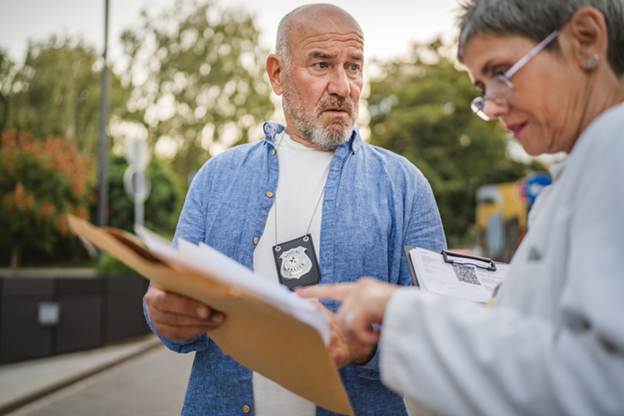
People often sense when officers are playing games. The denial isn’t always loud, sometimes it’s subtle or indirect. Officers may ignore you, delay intentionally, or mislead you into thinking you don’t need counsel at that moment.
Common red flags include:
- Officers pretending they “didn’t hear” your request.
- Telling you a lawyer will “slow things down” or “make things complicated.”
- Saying you cannot call anyone until after questioning.
- Claiming you only get a lawyer once you reach court.
- Continuing to ask questions even after you said you want an attorney.
These behaviors show intent, not confusion. And intent matters in civil rights litigation.
What Police Cannot Do After You Ask for a Lawyer
Once you request an attorney, officers must stop questioning you. They cannot pressure you, badger you, or lure you back into conversation. Even soft, casual questions meant to “clear things up” violate the law. Many victims don’t realize that small talk can be used against them.
Police also cannot:
- Threaten consequences for asking for counsel.
- Make promises to get you to waive your rights.
- Hold you for long periods just to punish you.
- Use your silence as evidence of guilt.
If officers violated any of these principles, your civil rights claim grows stronger.
How New York Law Views Denial of Counsel
The New York State Office of Court Administration (NY Courts) has long recognized the right to counsel as one of the strongest protections available to people facing investigation or arrest. New York courts treat denial of access seriously because it undermines fairness, due process, and transparency.
In many cases, denying counsel can lead to:
- Suppression of statements you made after your request.
- Evidence being thrown out if it resulted from unlawful questioning.
- Civil liability for the officers involved.
- Additional scrutiny of departmental training and practices.
New York does not shrug off officers who sidestep fundamental rights.
What You Should Do Right Now If This Happened to You
Victims often worry they “waited too long” or “should have done something differently,” but the steps you take now matter far more than what happened in the moment. The key is documenting your experience clearly and preserving anything that supports your memory.
You can start with:
- Writing a detailed account of the encounter, including what you said and how officers responded.
- Saving any messages, paperwork, citations, or recordings connected to the incident.
- Identifying witnesses who heard you ask for a lawyer.
- Recording the time, place, and names or badge numbers of officers involved.
Even a small detail, something you thought was irrelevant, can strengthen your case later.
What If You Spoke to Police After They Denied You Counsel?
Many people feel ashamed when they realize they answered questions after officers ignored their request. But this is extremely common. Stress changes how the mind works. Officers know that. They rely on it.
If you spoke after asking for a lawyer:
- Your statements may be suppressible.
- The denial may increase your civil rights damages.
- Officers may face higher scrutiny for the violation.
You did not “mess up.” The officers did.
Why Emotional Impact Matters in These Cases
Victims often underestimate the psychological harm caused by being trapped in a room with armed officers who refuse to honor basic rights. People describe feeling powerless, small, or even terrified to speak. These emotions matter. Courts consider the psychological pressure created by unlawful tactics, especially when coercion leads to damaging statements.
The emotional impact is not a side issue, it is evidence of the harm you suffered.
When a Denial of Counsel Becomes Part of a Larger Pattern
Some departments or specific officers develop reputations for pushing boundaries or bending rules. You may learn later that:
- Other people experienced similar denials.
- Complaints about the same officer contain the same phrases or tactics.
- Supervisors ignored warning signs and failed to intervene.
A pattern of ignoring counsel requests strengthens your claim significantly.
You Don’t Have to Fight This Alone
A denial of your right to counsel is not a small technical error, it is a violation of your constitutional protections. Officers who ignore your request hope you won’t know how to fight back. But the law is on your side when they cross that line.
At Horn Wright, LLP, our experienced civil rights attorneys help victims document what happened, challenge any statements obtained illegally, and pursue accountability for officers who ignored the Constitution. If police refused your request for a lawyer, contact us so we can help you take back control of your case and protect your rights with strength and clarity.

What Sets Us Apart From The Rest?
Horn Wright, LLP is here to help you get the results you need with a team you can trust.
-
Client-Focused ApproachWe’re a client-centered, results-oriented firm. When you work with us, you can have confidence we’ll put your best interests at the forefront of your case – it’s that simple.
-
Creative & Innovative Solutions
No two cases are the same, and neither are their solutions. Our attorneys provide creative points of view to yield exemplary results.
-
Experienced Attorneys
We have a team of trusted and respected attorneys to ensure your case is matched with the best attorney possible.
-
Driven By Justice
The core of our legal practice is our commitment to obtaining justice for those who have been wronged and need a powerful voice.