


Falsely Arrested in New York? You Might Have a Civil Rights Case
Understanding False Arrest and Your Rights
Being arrested when you’ve done nothing wrong is more than just frustrating. It can leave you feeling powerless, embarrassed, and shaken.
These situations aren’t just unfair, they may also be illegal. In New York, a false arrest isn’t just a mistake, it’s a violation of your civil rights—and it could give you a path toward legal action.
At Horn Wright, LLP, our civil rights attorneys help New Yorkers hold law enforcement accountable for unlawful arrests. Whether it happened in a subway station in Queens or during a protest in Buffalo, our team has seen how fast an encounter with police can spiral.
This guide breaks down what qualifies as a false arrest, how you can respond, and what it takes to build a civil rights claim.
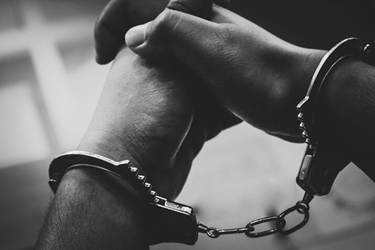
What Is Considered a False Arrest Under New York Law?
A false arrest occurs when police take someone into custody without probable cause or a valid warrant. Under both New York and federal law, arrests must be supported by clear, lawful justification. Without that, officers may be violating the Fourth Amendment, which protects against unreasonable searches and seizures.
False arrests can take many forms:
- Being arrested for a crime you didn’t commit, without proper investigation
- Being taken into custody because of mistaken identity
- Being arrested for behavior that isn’t actually criminal
New York courts have emphasized that law enforcement must have more than a vague suspicion. For example, if someone is stopped and arrested based on an unverified tip from a passerby, and the officer fails to confirm basic facts, that arrest may be invalid. Similarly, arresting someone for filming a police officer in public, which is protected activity in New York, could also trigger a false arrest claim.
The Difference Between a False Arrest and a Wrongful Detention
It helps to understand the timing. A false arrest happens the moment an officer detains someone without proper cause. If the arrest is legal but the person is later held for too long without charges, that could become a wrongful detention. Both scenarios may violate your civil rights, but the legal arguments differ slightly.
For example:
- You’re stopped outside your apartment in the Bronx for “matching a description” and handcuffed without further questioning. That may be a false arrest.
- You’re legally arrested, but then held in a precinct cell in Staten Island for three days without seeing a judge. That could qualify as wrongful detention.
Each situation is serious. Both involve abuses of power, and both can lead to claims for damages.
Red Flags That Your Arrest May Have Been Unlawful
Most people feel disoriented after an arrest, especially if they know they didn’t break the law. You may question what happened or blame yourself. But there are often clear warning signs that the arrest wasn’t legally justified.
Watch for these indicators:
- The officer never explained why you were being arrested
- There was no warrant and no ongoing criminal activity
- The behavior that triggered the arrest was protected (e.g., protesting or recording police)
- You were released quickly with no charges filed
- Witnesses or video contradict the officer’s version of events
It’s also worth noting if you felt targeted based on your appearance, race, or location. Arrests motivated by bias or retaliation have no place under the law.
What To Do Immediately After a False Arrest
Taking the right steps after a false arrest helps protect your rights and strengthens any legal claim you may want to file later. The sooner you act, the better.
Here are key actions to take:
- Document everything you remember: date, time, names, badge numbers, what was said, and how it ended
- Request your arrest report from the local precinct or agency
- Seek medical care if you were physically injured or emotionally shaken
- Avoid posting about the arrest online until you speak to a lawyer
- Get witness contact info if anyone saw the arrest
If the arresting agency is a city department (like the NYPD), you may need to file a Notice of Claim within 90 days. This deadline matters, especially if you're pursuing compensation through the courts.
How a Civil Rights Lawyer Proves a False Arrest Case
At Horn Wright, LLP, our civil rights attorneys approach false arrest claims by digging into records, challenging official accounts, and securing evidence that others may overlook. These cases often come down to what officers knew and when they knew it.
Here’s what an experienced attorney may do:
- Request arrest records, dispatch logs, and video footage
- Interview you, witnesses, and bystanders
- Compare officer testimony to bodycam or surveillance footage
- Determine whether the arrest violated department policies
- File a claim under Section 1983 or New York Civil Rights Law
Strong cases rely on contradictions. If a report says you resisted, but video shows you complied, that discrepancy becomes powerful. Civil rights claims also don’t always stop with individual officers. If a department allowed illegal arrests to go unchecked, it may be liable too.
You may be entitled to damages for:
- Emotional distress
- Lost wages
- Damage to reputation
- Physical injuries
- Legal costs from having to fight the charges
Every false arrest is personal, and a lawyer will help you figure out what’s legally possible—and how to pursue it.
Examples of False Arrest Cases in New York
False arrests happen in cities and towns across New York. Some have led to public lawsuits and settlements. Others resolved more quietly, but still made an impact.
Here are just a few examples:
- Protesters in Manhattan were arrested in 2020 while marching peacefully. Many were released without charges. Lawsuits later claimed the arrests were retaliatory.
- In Buffalo, a man was taken into custody for recording police on his own property. He was never charged. His civil suit pointed out that his behavior was lawful.
- A mistaken identity arrest in Westchester led to a night in jail before officials realized the person had been misidentified. That case ended in a financial settlement.
These aren’t rare events. They reflect broader patterns in law enforcement where training, bias, or poor communication cause lasting harm.
You Can Push Back and Protect Your Rights
A false arrest can leave you feeling humiliated, angry, or even afraid. But you don’t have to carry that experience alone. Legal action can help set the record straight and help prevent it from happening to someone else.
At Horn Wright, LLP, we work with people across New York who have been falsely arrested, searched, or detained without justification. Whether it happened on the street, at your workplace, or during a public event, we’ll listen, investigate, and help you take the next step. Reach out to our trusted legal team to get started.

What Sets Us Apart From The Rest?
Horn Wright, LLP is here to help you get the results you need with a team you can trust.
-
Client-Focused ApproachWe’re a client-centered, results-oriented firm. When you work with us, you can have confidence we’ll put your best interests at the forefront of your case – it’s that simple.
-
Creative & Innovative Solutions
No two cases are the same, and neither are their solutions. Our attorneys provide creative points of view to yield exemplary results.
-
Experienced Attorneys
We have a team of trusted and respected attorneys to ensure your case is matched with the best attorney possible.
-
Driven By Justice
The core of our legal practice is our commitment to obtaining justice for those who have been wronged and need a powerful voice.