


Hit by a Taser or Pepper Spray? Your Rights and Remedies Explained
What Victims of Excessive Force Need to Know Right Now
After an incident involving a taser or pepper spray, most people feel completely overwhelmed. The pain can be intense. The confusion even worse. Whether it happened during an arrest, a protest, or a misunderstanding with a private security guard, the moment often feels chaotic and disorienting. If you're in New York and were hurt by a taser or chemical spray, you may be wondering what to do next, what your rights are, and whether what happened to you was even legal.
At Horn Wright, LLP, our attorneys work with victims across New York State who were injured by excessive or unlawful use of force. If you were tased or sprayed with pepper spray, we may be able to help. Our team understands the law, knows how courts view these incidents, and fights to hold police departments, security firms, and individuals accountable. We’re here to help you find a path forward.
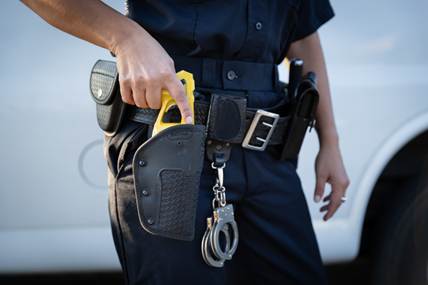
Immediate Steps After a Taser or Pepper Spray Incident in New York
Your body reacts quickly to electrical shock or chemical irritants, so should you. Right after an incident, your first priority must be safety and medical care. A taser can cause serious muscle spasms, burns, or even cardiac events. Pepper spray can lead to breathing issues, corneal damage, and long-lasting skin irritation.
Don’t assume it will pass on its own. Visit a hospital or urgent care center, ideally within a few hours. Let the provider know what was used on you.
Next, document everything:
- Take photos of any visible injuries (including redness, burns, or swelling)
- Save the clothing you wore during the incident
- Write down everything you remember: who was there, what was said, where it happened
- If police were involved, ask for the incident or arrest number
Quick action helps preserve evidence and supports your version of events.
When Force Crosses the Line: Unlawful Use of Taser or Pepper Spray
Not every use of force is legal. In New York, law enforcement officers and private citizens can only use tasers or chemical agents under specific, limited conditions.
The law allows force to stop an immediate threat. But it does not allow it for punishment, intimidation, or control when someone is already subdued. For example, if an officer in Buffalo uses a taser on someone who is already handcuffed, that may be unlawful. If a store security guard in Albany sprays someone in the face after the person already walked away, that crosses the line.
Misuse can involve:
- Tasing someone who poses no active threat
- Repeated use of a taser after a subject is down
- Spraying pepper spray at close range, directly in the eyes
- Using force on minors, elderly individuals, or vulnerable adults
The key question courts ask: was the level of force necessary at that moment? If the answer is no, it may qualify as excessive.
Who Can Be Held Liable for Misuse of Force in New York?
Responsibility depends on who used the taser or spray, and why. In many cases, more than one party can be held accountable. This includes both public officials and private actors.
If a police officer from the NYPD, Syracuse PD, or another department used force unlawfully, the officer may be personally liable. The city or municipality can also face legal consequences under what's called a Monell claim, which applies when misconduct stems from official policy or failure to train.
Private security guards and civilians can also be sued if they used force without justification. Even the employer may be liable if the guard acted within the scope of their job.
These are the potential defendants:
- Police officers
- Police departments or municipalities
- Private security companies
- Store owners or businesses
- Individual civilians acting outside legal bounds
Each situation requires a careful legal review to identify who should be held responsible.
Your Legal Rights Under New York and Federal Law
If you were hit with a taser or sprayed in New York, you may have rights under both state and federal law. These laws protect against physical abuse, overreach, and violations of basic rights.
Under federal law, 42 U.S.C. § 1983 lets you sue state or local officials who violate your constitutional rights. That includes excessive force by police. Courts will look at whether the officer violated your Fourth Amendment protection against unreasonable searches and seizures.
At the state level, you may have grounds for a personal injury lawsuit based on:
- Assault or battery
- Negligent use of force
- Intentional infliction of emotional distress
You also have additional protections if the incident occurred during a protest or public demonstration, especially in areas like Manhattan or Rochester where these events often happen.
How Courts in New York Evaluate Force: Key Legal Standards
To decide whether force was excessive, New York courts apply the "objective reasonableness" test. This standard comes from a U.S. Supreme Court case called Graham v. Connor.
The court doesn’t ask what the officer meant to do. It asks whether a reasonable officer in the same situation would have done the same thing. That includes looking at:
- Whether the person posed a threat
- Whether they tried to flee or resist
- How serious the suspected offense was
New York judges also consider the timing and method of the force. A taser used on a nonviolent shoplifting suspect in White Plains might be judged differently than the same device used during a violent altercation in the Bronx.
Video footage often plays a central role in these decisions. Many departments, including the New York State Police, now rely on body-worn camera footage to support use-of-force reviews.
Evidence That Can Help Your Case in New York Courts
Cases involving tasers or pepper spray often come down to proof. Solid evidence strengthens your voice. The more documentation you gather, the better your chances of a successful claim.
Helpful evidence includes:
- Body camera or dash cam footage from police
- Surveillance video from nearby businesses or traffic cameras
- Photos of injuries, torn clothing, or damaged property
- Eyewitness statements, especially from neutral bystanders
- Medical records showing diagnosis and treatment
- Written complaints or incident reports filed with the NYPD or another department
Also, keep your own notes. Dates, names, badge numbers, and exact words can all become key details.
Filing a Complaint or Lawsuit in New York State
If you were injured, you can take formal action. There are different pathways depending on who harmed you.
Start by filing a complaint with the Civilian Complaint Review Board (CCRB) if the force came from an NYPD officer. You can also report misconduct to the department’s Internal Affairs Bureau.
To preserve your right to sue a city or public agency, you must file a Notice of Claim within 90 days. This is a written statement describing what happened and how you were hurt.
From there, you may file a lawsuit in either state or federal court. The right venue depends on the claim. Civil rights violations often go to federal court, while assault or battery cases might proceed in a local state court.
Legal guidance during this process can help avoid missed deadlines or technical errors.
Possible Compensation You Can Recover After a Taser or Pepper Spray Injury
If your case succeeds, you may receive financial compensation. This money isn’t a windfall. It’s meant to restore what was lost and help you recover.
Types of damages include:
- Medical bills, including ER visits, physical therapy, or specialist care
- Pain and suffering
- Emotional trauma, including anxiety, PTSD, or panic attacks
- Lost income if the injury kept you from working
- Punitive damages in extreme cases involving intentional harm
How Long Do You Have to Take Action in New York?
Time limits are strict in New York. Missing a deadline can cost you your entire case.
Here’s what you need to know:
- You must file a Notice of Claim against a city or public agency within 90 days of the incident
- For claims against government employees, you have 1 year and 90 days to file a lawsuit
- For general personal injury cases involving private actors, you have 3 years
There are limited exceptions, such as for minors or people with certain disabilities. But in most cases, acting quickly is the safest approach.
Special Considerations for Minors and Vulnerable Individuals
If the victim of the force was a child, elderly adult, or person with a disability, New York law provides additional safeguards. The courts treat these cases with greater care.
Minors can have their statute of limitations extended, giving them more time to file a claim. Guardians may act on their behalf immediately.
When force is used against someone with a mental health condition or physical disability, it may also raise separate claims under the Americans with Disabilities Act or state human rights laws.
Nursing home residents and developmentally disabled adults have extra protections under New York statutes. If a facility allowed a guard or caregiver to use excessive force, the institution itself may bear responsibility.
Know Your Rights. Protect Your Future.
You don’t have to figure this out alone. If you were tased or pepper sprayed in New York and you believe the force used was excessive, Horn Wright, LLP, is here to support you. Our team investigates these cases thoroughly, makes your voice heard, and stands with you every step of the way.
Let us help you hold the right people accountable so you can focus on healing and moving forward.

What Sets Us Apart From The Rest?
Horn Wright, LLP is here to help you get the results you need with a team you can trust.
-
Client-Focused ApproachWe’re a client-centered, results-oriented firm. When you work with us, you can have confidence we’ll put your best interests at the forefront of your case – it’s that simple.
-
Creative & Innovative Solutions
No two cases are the same, and neither are their solutions. Our attorneys provide creative points of view to yield exemplary results.
-
Experienced Attorneys
We have a team of trusted and respected attorneys to ensure your case is matched with the best attorney possible.
-
Driven By Justice
The core of our legal practice is our commitment to obtaining justice for those who have been wronged and need a powerful voice.