


How Civil Rights Law Protects You From Illegal Wiretapping
Your Right to Privacy Is Worth Protecting
In New York, your conversations, whether they happen over the phone, through text, or in person, deserve to stay private. But sometimes, people cross the line. They might record you without your knowledge or listen in when they’re not supposed to. When this happens, it’s more than just frustrating. It can feel invasive and deeply personal. You might not even realize your rights have been violated until damage is already done.
At Horn Wright, LLP, we help people across New York State stand up when someone oversteps. Our civil rights attorneys understand both the emotional toll and legal consequences of illegal wiretapping. If you’re worried that someone recorded or listened to your conversations unlawfully, we’ll step in and protect your rights, so you can focus on moving forward without fear or uncertainty.
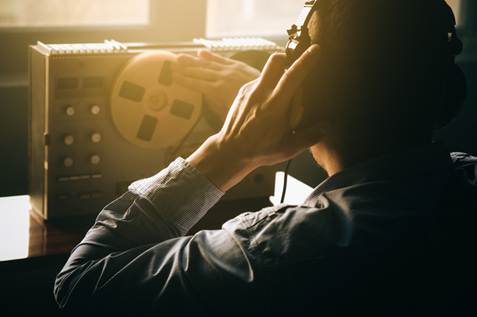
Understand What Counts as Wiretapping in New York State
Wiretapping in New York includes more than phone taps. It refers to intentionally overhearing or recording a conversation without proper consent. This includes live audio, voicemails, emails, and text messages. If someone is part of the conversation and records it knowingly, that may be lawful. But when no party is aware and someone records from the outside, it can cross into illegal territory.
Picture a shared office in Manhattan where someone hides a recording device. Or a backyard in Albany where a microphone picks up private conversations over the fence. These situations can be more than unsettling, they may be illegal. Consent matters. So does context.
Learn When Wiretapping Becomes Illegal
New York is a one-party consent state. That means a conversation can be recorded legally if just one person involved agrees to it. So if you’re talking to someone, and you decide to record the call, that’s lawful. But if neither person consents and a third party records it, the act becomes illegal.
This difference matters. Federal law also follows one-party consent, but enforcement varies, and people often misinterpret the rules.
Some situations that often lead to violations:
- Hidden devices placed in shared apartments
- Secret audio recording during workplace meetings in Brooklyn
- Using phone spyware to record calls between two unsuspecting people
These cases move beyond simple disputes. They often involve recording a conversation without proper consent, which can lead to legal violations and give victims the right to file civil claims in New York courts.
See How Civil Rights Laws Apply to Wiretapping
Illegal wiretapping can violate your civil rights, especially when it involves government actors or settings where you have a reasonable expectation of privacy. The Fourth Amendment protects against unreasonable searches, and in New York, additional safeguards like New York Civil Rights Law § 50-a exist to shield individuals from unauthorized recordings, particularly in the workplace and other public institutions.
When public officials or agencies act without legal cause, such as police departments or school administrators, the intrusion can rise to the level of a constitutional violation. Civil rights attorneys rely on these protections to challenge unlawful surveillance and help New Yorkers seek justice. These claims remain a core part of our civil litigation strategy.
Know Who Might Be Violating Your Rights
Wiretapping doesn’t always come from the people you expect. In many cases, it’s someone close: a partner, a roommate, a boss. Other times, it’s a person in power: a public official, law enforcement officer, or government worker acting without legal authority.
Across New York State, these groups often appear in civil wiretapping cases:
- Private individuals: former spouses, friends, roommates
- Employers: especially those installing audio systems in offices or company vehicles
- Public institutions: police departments, public school staff, local housing authorities
Consider an NYPD officer placing a recording device in a Bronx apartment without a warrant. Or a school principal in Yonkers secretly recording teachers’ conversations. These aren’t just workplace conflicts, they can become legal violations of civil and privacy rights.
When someone violates your right to privacy this way, the law offers a path to accountability.
Understand the Role of Law Enforcement and Government Surveillance
Government surveillance in New York must follow clear legal limits. Law enforcement agencies are required to obtain a court-approved warrant before they can tap phones, place listening devices, or access private messages. If officers or public officials act without that warrant and use the information they gather to harm you or support criminal charges, their actions may give rise to a civil claim.
These legal boundaries have been tested in multiple cases across the state. For example, NYPD surveillance of protestors in Brooklyn raised questions about unauthorized recording. Even local measures, such as classroom cameras that capture audio, have triggered legal disputes. Though the New York Criminal Procedure Law sets strict surveillance rules, overreach remains a concern when speech is captured without clear consent.
Know the Legal Remedies Available in New York
If someone illegally recorded or intercepted your conversations, New York law gives you several options. Civil claims can help you recover both emotionally and financially, especially if the surveillance affected your job, your mental health, or your relationships.
Possible remedies under New York and federal law:
- Compensatory damages for emotional distress or lost income
- Punitive damages to punish the person or agency responsible
- Injunctions that force them to stop the surveillance
- Criminal charges in cases of intentional eavesdropping
Filing typically begins in New York State Supreme Court (the state’s trial court) or in a federal district court, depending on the violation. If you’re unsure where to start, you’re not alone. Many people only realize they’ve been recorded after the fact. An attorney can help you gather evidence and pursue the appropriate legal route.
Gather Evidence if You Suspect Illegal Surveillance
If you think someone recorded you without permission, you don’t need to have all the answers. But acting quickly can make a difference. Start with simple steps to preserve information and avoid tipping off the person responsible.
Here are ways to begin building your case:
- Look for unusual devices like tiny mics or cameras hidden in smoke detectors or outlets
- Check your phone or computer for strange apps or spyware
- Save voicemails, text messages, or call logs that feel off
- Avoid confronting the suspect directly if you feel unsafe
- Keep a written record of suspicious activity
- Reach out to a New York State Bar Association referral line or local legal aid for help
You don’t need to be sure, just aware. From Syracuse to Staten Island, our clients often sense something’s wrong long before they find the proof. Trust that instinct.
Know Your Rights in Workplaces and Rental Properties
In both workplaces and rental housing, people often forget they still have privacy rights. Just because you share space doesn’t mean you give up control over your conversations.
In New York, employers can monitor certain work devices, but they can’t legally record personal conversations or private areas like restrooms or break rooms. Likewise, landlords can install cameras in public hallways but not inside your rental unit, and never with audio inside without your consent.
Problem areas where illegal wiretapping shows up:
- Managers secretly recording staff in conference rooms
- Landlords placing hidden audio recorders in living rooms or bedrooms
- Companies using call-monitoring tools without telling employees
These cases surface regularly in Queens, Long Island, and throughout upstate cities like Binghamton. If you’re not sure where your rights begin or end, it’s worth having a legal opinion, especially when your home or job is on the line.
Stay Aware of New York-Specific Updates and Protections
New York continues to adapt as technology grows. That includes expanding protections against illegal recordings and empowering residents to report abuse. Recent legislation aims to keep up with new surveillance tactics like cell phone spoofing and smart home eavesdropping.
Groups like the New York Civil Liberties Union (NYCLU) advocate for transparency in government surveillance. They’ve pushed for stronger rules on facial recognition, audio collection, and public agency oversight.
You don’t need to follow every bill. But staying aware, even just reading city council updates or local news, can help you recognize when a new law might protect you. In a state like New York, where tech and law evolve quickly, awareness is its own kind of defense.
New Yorkers Deserve Privacy and Legal Protection
If someone recorded you without your knowledge, or if a government agency crossed the line, you don’t have to let it go. At Horn Wright, LLP, we help clients across New York take back their privacy and assert their rights. Our civil rights attorneys understand what it means to feel violated by surveillance, and we fight hard to hold the responsible parties accountable, whether they’re individuals, employers, or agencies. If you believe your privacy was compromised, we’re here to help you take the next step.

What Sets Us Apart From The Rest?
Horn Wright, LLP is here to help you get the results you need with a team you can trust.
-
Client-Focused ApproachWe’re a client-centered, results-oriented firm. When you work with us, you can have confidence we’ll put your best interests at the forefront of your case – it’s that simple.
-
Creative & Innovative Solutions
No two cases are the same, and neither are their solutions. Our attorneys provide creative points of view to yield exemplary results.
-
Experienced Attorneys
We have a team of trusted and respected attorneys to ensure your case is matched with the best attorney possible.
-
Driven By Justice
The core of our legal practice is our commitment to obtaining justice for those who have been wronged and need a powerful voice.