


How Public Records Can Help You Win Your Civil Rights Lawsuit
Why Public Records Matter More Than You Think
People usually contact experienced civil rights attorneys because something deeply unsettling happened during a police encounter, an arrest, a school discipline issue, or another moment involving government authority. They remember flashes, raised voices, force that felt unnecessary, or sudden fear that made everything swirl together. Later, when they try to explain it, they feel unsure about the details. And they worry that without perfect memory, no one will believe them.
At Horn Wright, LLP, we see how often victims assume their case hinges only on what they personally recall. But civil rights cases are rarely built on memory alone. Public records, like documents, reports, recordings, logs, emails, complaints, can create a fuller picture than any single witness, even the victim. These records reveal patterns, timelines, contradictions, and truths departments would never volunteer.
What Counts as a Public Record
Public records stretch far beyond police reports. Many people imagine a single stack of paperwork sitting in a file, but the reality is bigger and more complex. According to the U.S. Department of Justice, public records systems exist to ensure transparency in government actions, especially those involving policing, detention, and public safety. These records capture the details officials may overlook, or hope no one notices.
Public records in civil rights cases may include:
- Body-camera footage, dashcam footage, and 911 recordings documenting what happened moment by moment.
- Dispatch logs revealing who responded, when they arrived, and what they were told.
- Internal emails or messages showing how officers or administrators discussed the incident afterward.
- Prior complaints filed against the same officer or agency.
- Policies and training manuals that show what officers were supposed to do versus what actually happened.
When combined, these documents turn a confusing experience into a documented narrative.
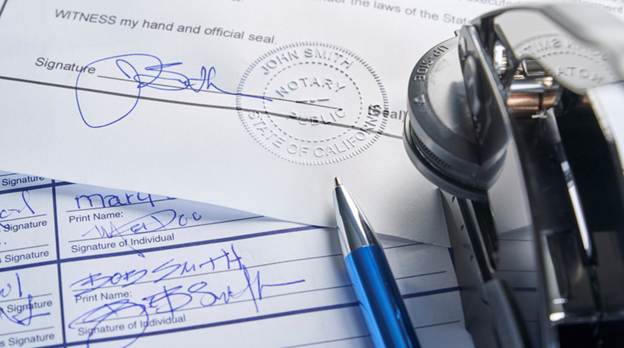
How Public Records Reveal the Truth
Victims often tell us they feel ashamed because their memory feels incomplete. Trauma distorts time; stress blurs details. Public records restore clarity. They create a factual backbone that courts rely on.
Records often uncover:
- Contradictions between an officer’s report and body-camera footage.
- Gaps in a school’s discipline process that violate required procedures.
- A pattern of force complaints against the same officer involved in your incident.
- Dispatch notes that contradict an officer’s stated reason for the stop.
- Additional witnesses officers never mentioned.
Sometimes the most powerful evidence isn’t dramatic, it’s a quiet inconsistency tucked inside a line of text.
When Agencies Resist Turning Over Records
Victims often feel disrespected when departments delay, deny, or ignore record requests. They may claim the footage was lost, the report is “under investigation,” or the request is too broad. These excuses can feel intentional, and sometimes they are.
Delays themselves can become evidence. If a department claims a camera malfunctioned, logs may show whether the device truly failed. If they say a file never existed, emails may reveal otherwise. Stonewalling can signal institutional problems that strengthen a civil rights case.
In truth, agencies rarely volunteer their most revealing information. But the law does not depend on their cooperation.
When Discrimination Appears in Public Records
The New York State Division of Human Rights recognizes that discrimination often becomes clearer when documentation is reviewed, not when memories are compared. Bias can hide in tone, patterns, or selective enforcement.
Public records may reveal:
- Officers stopping certain demographic groups more often than others.
- School administrators punishing students differently for the same conduct.
- A landlord targeting tenants from a particular ethnic or religious community.
- Emails expressing bias or dismissive attitudes toward complaints.
- Repeated misconduct by the same individual, something victims may not know.
A discrimination claim rarely hinges on one moment. It often hinges on a documented pattern.
The Emotional Weight of Reading What Officials Wrote About You
Seeing your name in a police report or internal memo can stir emotions you didn’t expect, anger, sadness, disbelief, even shame. Many victims describe feeling “talked about like an object,” or misrepresented in ways that feel personal. They remember the fear they felt in the moment and then see that the report presents a calm, sanitized version of events.
These emotional reactions matter. They reflect how deeply civil rights violations affect a person’s dignity. And they often motivate victims to pursue justice not only for themselves, but to prevent the same harm from happening to someone else.
How Public Records Strengthen Your Lawsuit
Courts rely on objective evidence. Public records can support claims even when witness memory is messy or when officers deny wrongdoing.
Records help by:
- Proving timelines with precise accuracy.
- Exposing contradictions in official statements.
- Establishing a pattern of misconduct or bias.
- Demonstrating violations of policy or law.
- Showing how departments handled or mishandled complaints.
Victims are often surprised by the strength of the story the documents tell. Facts buried in a log or hidden inside a policy manual can shift an entire case.
Steps You Can Take Right Now
Acting early helps preserve records before they are deleted or archived.
You can:
- Write down everything you remember, even if it feels incomplete.
- Save photos, medical records, emails, or texts related to the incident.
- Ask witnesses for statements while memories remain fresh.
- Request records promptly or work with counsel to do so.
- Keep track of how the incident affected your daily life, emotionally, physically, and financially.
Every small detail helps create a clearer picture.
You Deserve the Full Story, Not the Official Version
Public records can uncover the truth others hoped would stay hidden. They empower victims. They strengthen lawsuits. They ensure that the story told in court is not only the story the officer or agency wanted to preserve.
At Horn Wright, LLP, our experienced civil rights attorneys help victims identify which records matter, obtain them, and use them to build powerful claims rooted in documented truth. If you believe public records could reveal what really happened in your case, contact us and we’ll help you bring those facts to light with clarity and determination.

What Sets Us Apart From The Rest?
Horn Wright, LLP is here to help you get the results you need with a team you can trust.
-
Client-Focused ApproachWe’re a client-centered, results-oriented firm. When you work with us, you can have confidence we’ll put your best interests at the forefront of your case – it’s that simple.
-
Creative & Innovative Solutions
No two cases are the same, and neither are their solutions. Our attorneys provide creative points of view to yield exemplary results.
-
Experienced Attorneys
We have a team of trusted and respected attorneys to ensure your case is matched with the best attorney possible.
-
Driven By Justice
The core of our legal practice is our commitment to obtaining justice for those who have been wronged and need a powerful voice.