


How to File a Winning Civil Rights Claim for Emotional Distress
When Emotional Harm Becomes the Core of Your Civil Rights Case
People often contact experienced civil rights attorneys because something happened that shook them in ways they didn’t expect. Maybe an officer shouted at them inches from their face. Maybe they were handcuffed without explanation. Maybe they were followed, searched, or humiliated in front of their children. Many victims say their bodies moved on from the moment, but their mind didn’t. They remember the trembling hands afterward, the sleepless nights, the tight feeling in the chest whenever they see patrol cars.
At Horn Wright, LLP, we hear these stories every day. Some victims feel embarrassed that the wound is emotional rather than physical. Others feel angry that the pain doesn’t go away. Many worry that emotional injuries “don’t count” in court. That fear is understandable, but wrong. Emotional distress can be central to a civil rights claim, and in many cases, it becomes the most compelling part of the lawsuit.
Why Emotional Distress Is Real, and Legally Significant
Emotional injuries affect daily life in ways people rarely anticipate. A person who once walked confidently may now avoid public places. Someone who trusted authority may now feel panic during routine interactions. These symptoms are not small inconveniences, they are markers of trauma.
According to SAMHSA, traumatic events involving authority figures can create long-term emotional responses, including anxiety, hypervigilance, depression, or intrusive memories. Courts consider these effects because they demonstrate the depth of harm caused by misconduct.
Emotional distress becomes especially relevant when:
- The misconduct involved threats, intimidation, or public humiliation.
- A child or vulnerable person was present.
- The victim experienced fear for their safety.
- The trauma created lasting changes in behavior or mental health.
When emotional impact shapes someone’s life, it becomes evidence, not weakness.
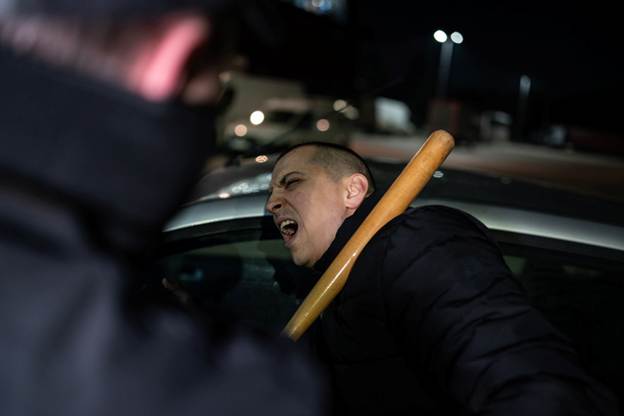
What Emotional Distress Looks Like in Civil Rights Cases
Many victims hesitate to describe their symptoms because they think they sound “dramatic.” But courts rely on honest descriptions of how the experience changed you. Emotional distress is not abstract, it shows up in specific, concrete ways.
Victims may experience:
- Sudden fear in moments that previously felt normal.
- Avoiding locations connected to the trauma.
- Difficulty sleeping or intrusive flashbacks.
- Strained relationships or loss of trust in others.
- Panic attacks during encounters with authority figures.
These symptoms demonstrate the depth of harm that physical injuries alone cannot capture.
How Evidence of Emotional Distress Is Gathered
Some victims worry that emotional harm is “hard to prove.” It is true that emotional distress requires thoughtful documentation, but there are many ways to show how deeply the event affected your life.
Helpful evidence may include:
- Therapy notes or mental health evaluations describing symptoms.
- Testimony from family or friends who noticed behavioral changes.
- Journals or written recollections of anxiety episodes or daily impact.
- Work records showing absences or decreased performance after the incident.
- Medical documentation of stress-related physical symptoms.
You do not need every type of evidence. You just need honest, consistent proof of how the trauma shaped your life.
When the Government Tries to Minimize Your Pain
Cities and police departments often argue that emotional distress is “exaggerated” or “unsupported.” They claim that victims misread the situation, overreacted, or misunderstood the officer’s intent. This strategy is not a reflection of truth, it is a legal tactic designed to silence your experience.
Victims often hear arguments like:
- “No physical injury means the harm was minimal.”
- “The officer followed training, so the fear wasn’t reasonable.”
- “The plaintiff is being overly sensitive.”
But the law recognizes that emotional trauma is real and compensable, especially when rooted in misconduct or abuse of authority.
When Discrimination Intensifies Emotional Harm
Certain groups experience police misconduct differently. The New York State Office of Victim Services has documented how fear and trauma deepen when a person’s identity makes them more vulnerable. A stop that feels routine to one person may feel life-threatening to someone who has lived through a history of biased policing or discrimination.
Emotional distress is heightened when:
- A victim has previous negative encounters with law enforcement.
- A child witnesses misconduct against a parent.
- The incident involved slurs, stereotyping, or targeted comments.
- The community already struggles with trust in local police.
These layers of harm make emotional distress claims even more compelling.
Why Your Story Matters More Than You Realize
Victims sometimes worry that their narrative will be dismissed. They downplay their emotions to “sound reasonable.” But civil rights cases rely on the lived experiences of ordinary people, and emotional harm gives courts insight into the human cost of misconduct.
Your story matters because:
- It reveals the power imbalance in the encounter.
- It shows the psychological impact of the officer’s choices.
- It explains why the violation changed your life.
Your voice becomes part of the evidence that wrongdoing occurred.
How to Strengthen Your Emotional Distress Claim
You can take steps right now, even before speaking with an attorney, to protect your claim and ensure your emotional harm is fully recognized.
You can:
- Write down how the incident affected sleep, mood, or daily functioning.
- Keep a journal documenting anxiety episodes or panic symptoms.
- Share your experiences with a therapist or counselor.
- Preserve messages or posts describing the incident to friends or family.
Small moments matter. They show how the trauma continues to ripple through your life.
When Emotional Distress Joins Other Civil Rights Claims
Emotional harm rarely stands alone. It often accompanies:
- Excessive force
- False arrest or unlawful detention
- Discrimination or harassment
- Retaliation for protected speech
- Misuse of authority or intimidation
When emotional distress is part of a larger violation, it strengthens the overall case and increases compensation.
You Deserve Validation and Justice, Not Silence
Emotional distress is not “less serious.” It is not “in your head.” It is a real injury rooted in a real violation of your rights. Courts recognize it. The law compensates it. And your story deserves to be heard fully, not minimized, dismissed, or ignored.
At Horn Wright, LLP, our experienced civil rights attorneys help victims tell their stories without shame, gather the evidence needed to validate emotional harm, and build claims that reflect the full weight of the trauma they endured. If emotional distress has shaped your life after a civil rights violation, contact us and let us support you as you pursue justice, healing, and acknowledgment of what you lived through.

What Sets Us Apart From The Rest?
Horn Wright, LLP is here to help you get the results you need with a team you can trust.
-
Client-Focused ApproachWe’re a client-centered, results-oriented firm. When you work with us, you can have confidence we’ll put your best interests at the forefront of your case – it’s that simple.
-
Creative & Innovative Solutions
No two cases are the same, and neither are their solutions. Our attorneys provide creative points of view to yield exemplary results.
-
Experienced Attorneys
We have a team of trusted and respected attorneys to ensure your case is matched with the best attorney possible.
-
Driven By Justice
The core of our legal practice is our commitment to obtaining justice for those who have been wronged and need a powerful voice.