


How to Identify and Challenge Police Misuse of “Probable Cause”
When “Probable Cause” Becomes a Tool for Overreach
Many people meet with experienced civil rights attorneys because an officer claimed to have “probable cause,” even though nothing about the moment felt lawful or reasonable. They remember the confusion when the officer shifted tone, the shock of being searched without consent, or the sickening realization that the stop was based on a hunch rather than facts. People often say they replay the encounter again and again, trying to understand where everything went wrong.
At Horn Wright, LLP, we hear stories from individuals who still feel unsettled long after the incident. They doubt themselves. They wonder if they misunderstood the law. They worry they should have done or said something differently. But misuse of probable cause is not a misunderstanding, it is a constitutional violation that can turn everyday moments into traumatic ones. When police twist this standard to justify their actions, they create harm that courts take seriously.
What “Probable Cause” Is Supposed to Mean
Probable cause has a basic definition, but officers regularly stretch its meaning far beyond its intended boundaries. At its core, the standard requires specific facts that point to a real likelihood of criminal activity. It is not about guesses, stereotypes, or gut feelings. It must be grounded in something tangible.
The National Institute of Standards and Technology (NIST) has noted that evidence-based decision-making improves both accuracy and fairness in policing, which makes misuse of probable cause even more concerning. Probable cause must come from observable facts, not subjective assumptions.
True probable cause should include:
- Information officers can articulate clearly, not vague suspicions.
- Evidence supporting the belief that a crime occurred or is occurring.
- Facts that would convince a reasonable person, not just an officer eager to act.
Anything less risks turning a legal threshold into an excuse for overreach.
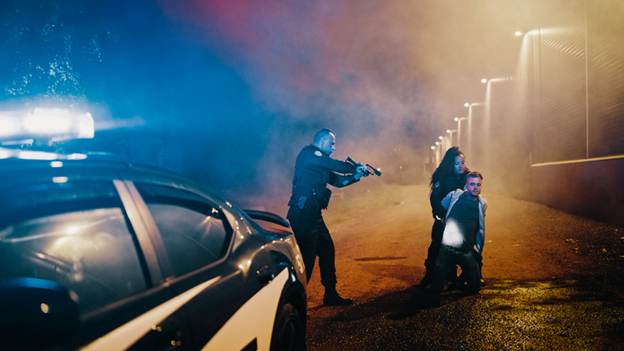
When Officers Use Weak or Manufactured Justifications
Victims frequently describe situations where officers claimed probable cause based on reasons that made little sense. Maybe the officer pointed to a “furtive movement.” Maybe they said the person looked “nervous.” Maybe the explanation changed two or three times in the same conversation. When the justification shifts or sounds flimsy, it usually signals a deeper problem.
Common red flags include:
- Vague reasons like “acting suspicious” or “appearing nervous.”
- Conflicting explanations between the officer’s statements and their report.
- Claims based on stereotypes about race, neighborhood, or appearance.
- Searches conducted before the officer ever articulated a reason.
- Justifications that only appeared after the officer found nothing.
Weak probable cause is often a sign that the officer made a decision first, and invented justification later.
When Background or Identity Plays a Role
Some people experience policing differently because of who they are, where they live, or how they look. The New York State Office of the Inspector General has identified disparities in policing practices across different communities, highlighting concerns about biased assumptions that influence probable cause decisions. Those disparities often come to life in civil rights cases.
Misuse of probable cause may show up as:
- Officers treating certain neighborhoods as inherently suspicious.
- Increased stops of young people, especially young men of color.
- Officers assuming criminal intent based on clothing, language, or disability.
- Searches justified by nothing more than presence in a “high-crime” area.
Bias does not need to be spoken aloud for it to shape police behavior.
Why Victims Often Doubt Their Own Judgment
People often tell us they felt something was wrong during the stop but convinced themselves they must have misunderstood the law. Police uniforms, badges, and authoritative tone can make individuals second-guess their instincts, even when officers clearly crossed a line. Trauma adds another layer, moments feel hazy or fragmented, making victims doubt themselves even when their recall is accurate.
But the hesitation many people feel is exactly what unlawful policing relies on. Misuse of probable cause works because it confuses the victim into silence. Your uncertainty does not make the violation any less real.
How to Document Misuse of Probable Cause
Even when an encounter felt chaotic, documenting what you remember can create strong evidence later. Courts examine details that victims often overlook, phrases used, timing of events, tone of voice, or the order in which the officer acted and explained themselves. All these factors can reveal whether probable cause truly existed.
Helpful points to record include:
- The exact reason the officer gave and whether it changed over time.
- Whether the search began before or after the officer claimed probable cause.
- Descriptions of the officer’s demeanor, tone, and body language.
- Any witnesses who observed the interaction.
- How the encounter made you feel physically and emotionally.
Your memory does not need to be perfect. It needs to be honest.
When Misused Probable Cause Leads to Larger Patterns
Sometimes a single unlawful search uncovers a larger problem. Officers who misuse probable cause often do so repeatedly. Victims may later learn that:
- Complaints were filed against the same officer for similar conduct.
- Body-camera footage from other stops shows the same problematic approach.
- Supervisors ignored early warnings about that officer’s behavior.
Patterns matter. They turn individual harm into evidence of systemic misconduct.
Emotional Impact: The Hidden Injury
Many people describe emotional fallout long after the stop. They feel uneasy walking in their own neighborhoods. They tense when they see patrol cars. Some experience nightmares or sudden fear that returns whenever they pass the place where the stop happened. This emotional harm is real, and courts recognize its importance.
Probable cause is not just a legal standard, it affects safety, dignity, and peace of mind.
What You Can Do Right Now
Even if time has passed since the encounter, taking action now can help preserve your rights. Misuse of probable cause is legally significant, but it becomes even stronger when victims take steps to protect themselves.
You can:
- Write down your account as soon as possible.
- Preserve any video, photo, or text evidence connected to the event.
- Identify anyone who witnessed the stop.
- Seek legal advice before responding to any further police inquiries.
Your story is valid, even if Internal Affairs or police supervisors dismissed it.
You Deserve Protection from Abusive Policing
Probable cause is meant to limit police power, not expand it. When officers misuse it, they violate more than the law. They violate trust, dignity, and safety. Challenging that misuse is not only your right, it is a step toward reclaiming control after an encounter that took it away.
At Horn Wright, LLP, our experienced civil rights attorneys help victims identify unlawful searches, challenge weak or fabricated justifications, and seek accountability when probable cause is abused. If an officer used “probable cause” as an excuse to violate your rights, contact us and we’ll help you take back your voice, your power, and your legal protections.

What Sets Us Apart From The Rest?
Horn Wright, LLP is here to help you get the results you need with a team you can trust.
-
Client-Focused ApproachWe’re a client-centered, results-oriented firm. When you work with us, you can have confidence we’ll put your best interests at the forefront of your case – it’s that simple.
-
Creative & Innovative Solutions
No two cases are the same, and neither are their solutions. Our attorneys provide creative points of view to yield exemplary results.
-
Experienced Attorneys
We have a team of trusted and respected attorneys to ensure your case is matched with the best attorney possible.
-
Driven By Justice
The core of our legal practice is our commitment to obtaining justice for those who have been wronged and need a powerful voice.