


Inside Police Cover-Ups: What Officers Don’t Want You to Know
Understanding the Hidden Problem
For someone caught up in a police cover-up, the experience can feel like a nightmare you can’t wake up from. The truth gets buried, your version of events gets ignored, and the people responsible for protecting your rights instead protect themselves. These cover-ups happen more often than many realize, and when they do, the impact spreads far beyond the person directly involved.
Our civil rights attorneys at Horn Wright, LLP, help people across New York stand up to injustice after they’ve been harmed by police misconduct. When officers lie, hide records, or destroy evidence, we work to bring the truth forward. Whether you're in Queens, Albany, or a small upstate town, your story deserves to be heard and your rights deserve to be defended.
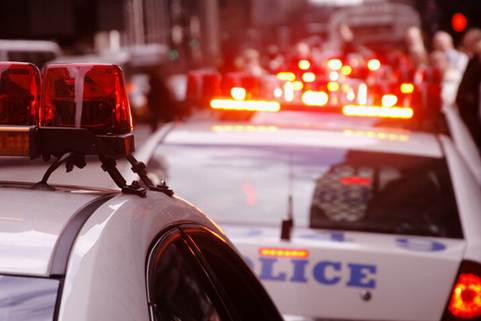
Define a Police Cover-Up and Why It Happens
A police cover-up occurs when one or more officers try to hide misconduct instead of reporting it honestly. This might mean altering paperwork, ignoring body camera policies, or refusing to file reports about a colleague’s bad behavior. Sometimes, it’s about protecting a department’s public image. Other times, it’s about shielding officers from discipline or criminal charges.
These actions are not always part of an organized plan. Often, they involve a quiet decision to omit or change key details. But the damage is the same. Cover-ups interfere with investigations, destroy public trust, and let bad behavior continue unchecked. They can affect people wrongfully arrested, hurt during interactions with police, or accused of crimes they didn’t commit.
Common Tactics Officers Use to Cover Their Tracks
Cover-ups don’t usually involve dramatic schemes. More often, they involve quiet moves made behind the scenes. Officers may use their knowledge of procedure to avoid accountability.
Here are some of the most common tactics:
- Leaving out facts in official police reports
- Turning off or erasing body camera footage
- Filing incomplete use-of-force documentation
- Pressuring or discouraging witnesses from making formal statements
- Agreeing on a version of events before writing reports
In some precincts, this behavior becomes learned over time. Officers know what they can get away with, and without oversight, those patterns repeat.
What a Cover-Up Can Look Like in New York
Police cover-ups happen in big cities and small departments alike. In New York State, recent cases show how misconduct is sometimes hidden or ignored.
In Brooklyn, a bystander’s phone footage contradicted what officers wrote in their reports after a violent arrest. The video eventually led to an internal investigation, but only after public outcry. In Rochester, officers involved in a fatal incident failed to activate their body cameras until after force had been used. Later review showed gaps in footage and conflicting timelines.
These examples reflect a broader pattern, not isolated mistakes. Across New York—from the Bronx to Buffalo—people have reported situations where evidence disappeared, reports didn’t match, or civilian complaints were dismissed without explanation.
Who Usually Gets Hurt by Police Cover-Ups
When officers cover up misconduct, the consequences land hardest on the people least able to fight back. Victims often include:
- People falsely arrested or charged
- Individuals injured during stops or arrests
- Witnesses who contradict officer accounts
- Communities that experience repeated misconduct
Beyond those individuals, these cover-ups hurt entire neighborhoods. They break down trust in law enforcement. Residents become more hesitant to report crimes, fearing that no one will believe them or that their report will be twisted later. That silence harms public safety.
How to Spot Signs That a Cover-Up May Be Unfolding
Most people don’t know what a cover-up looks like until it’s too late. But certain warning signs can raise red flags. If you’ve been involved in an encounter with police, or you’re helping someone who has, look for these clues:
- Officers fail to mention body camera footage or claim it wasn’t recording
- Police reports don’t match what witnesses saw or heard
- Charges shift or disappear without clear reason
- Civilian complaints are closed quickly with no follow-up
- Officers involved give similar statements that sound rehearsed
No single sign proves a cover-up, but the more of these you notice, the more likely it is that something isn’t right. Documenting these inconsistencies early is key.
What the Law Says Police Must Preserve and Report
In New York, police officers are required to follow strict reporting rules. They must document use-of-force incidents, preserve body camera recordings, and share evidence that could help a defense.
Key legal requirements include:
- Executive Law Section 837-t: Requires officers to report all incidents involving use of force that results in death or serious injury
- Body Camera Protocols: Departments like the NYPD must retain footage for at least 18 months and provide it during investigations
- Brady Rule Compliance: Officers and prosecutors must turn over exculpatory evidence to defense attorneys
Violating these rules doesn’t just damage a case. It violates constitutional rights. If evidence is lost, altered, or hidden, courts may suppress charges or dismiss cases entirely.
Legal Options If You Suspect a Police Cover-Up
If you believe you’ve been affected by a cover-up, you don’t have to stay silent. Several legal channels can help you push back and hold departments accountable.
You may be able to:
- File a civil rights lawsuit under 42 U.S.C. Section 1983
- Submit a complaint to the Civilian Complaint Review Board (for NYPD incidents)
- Report misconduct to the New York State Attorney General’s Civil Rights Bureau
- Demand internal records through a Freedom of Information Law (FOIL) request
- Retain an attorney to independently investigate and represent your case
Each of these steps can force departments to turn over records, interview witnesses, and disclose what happened behind the scenes.
How a Civil Rights Lawyer Can Expose the Truth
Attorneys trained in civil rights law know how to challenge police cover-ups. They understand how departments store data, how to retrieve deleted footage, and how to question officers under oath.
A skilled lawyer can:
- Subpoena internal reports, emails, and body camera logs
- Request dispatch audio or digital metadata to verify timelines
- Compare multiple witness statements for contradictions
- Identify policy violations during arrests or interrogations
- Build timelines that highlight inconsistent or missing data
Legal pressure forces accountability. When officers know someone’s watching, they’re more likely to follow the law. And when they don’t, your lawyer is ready to act.
Final Takeaway: The Truth Can Still Come to Light
Police cover-ups don’t always stay buried. With the right support, the truth can surface. If you or someone you love has been affected by hidden misconduct, missing evidence, or false statements, you have options. You can fight back.
Our trusted legal team at Horn Wright, LLP, helps people across New York uncover the truth when law enforcement fails to act with honesty. We use every legal tool to challenge silence, recover lost data, and make sure those who abuse their power face real consequences. When the system breaks trust, we help rebuild it one case at a time.

What Sets Us Apart From The Rest?
Horn Wright, LLP is here to help you get the results you need with a team you can trust.
-
Client-Focused ApproachWe’re a client-centered, results-oriented firm. When you work with us, you can have confidence we’ll put your best interests at the forefront of your case – it’s that simple.
-
Creative & Innovative Solutions
No two cases are the same, and neither are their solutions. Our attorneys provide creative points of view to yield exemplary results.
-
Experienced Attorneys
We have a team of trusted and respected attorneys to ensure your case is matched with the best attorney possible.
-
Driven By Justice
The core of our legal practice is our commitment to obtaining justice for those who have been wronged and need a powerful voice.