


Police Misconduct During Traffic Stops: Signs Your Rights Were Violated
Know What to Watch For When You're Pulled Over in New York
It starts with flashing lights behind you. Maybe you're on the FDR Drive in Manhattan or rolling through a residential street in Buffalo. You pull over, just trying to stay calm.
Most traffic stops are uneventful. But sometimes, something shifts. The officer’s tone sharpens. Questions go beyond your license. Your car door is opened without asking. Maybe they start searching your bags or shining a flashlight into places that have nothing to do with why you were stopped.
At Horn Wright, LLP, our civil rights attorneys help New Yorkers hold law enforcement accountable when traffic stops cross the line. If an officer violated your rights, we can help you fight back. Whether you're in Queens, Albany, or anywhere in between, you deserve to know your options and your rights.
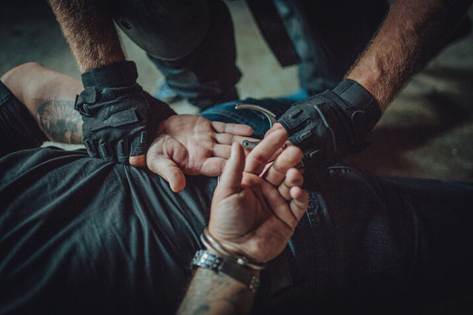
Know Your Basic Rights During a Traffic Stop
Police have a legal right to stop your vehicle for a valid traffic violation. But they don’t have the right to overstep. As the driver, you’re entitled to several key protections under the U.S. Constitution and New York law.
Here’s what you always have the right to do:
- Stay silent (except for identifying yourself)
- Refuse to consent to a search
- Ask if you are free to go
- Decline to answer unrelated questions
- Record the stop, as long as it doesn’t interfere
For example, if you're pulled over near Syracuse for a broken tail light, the officer can ask for your license and registration. But they can’t order you to open your glove compartment without reason, nor can they start searching under your seats unless they have legal grounds.
Identify When Police Go Beyond Their Legal Authority
Some misconduct is obvious, but other violations are subtle. An officer doesn’t have to use force or shout to break the law. Many traffic stops turn unlawful when police take liberties they weren’t granted.
You may be experiencing misconduct if:
- The officer extends the stop without explaining why
- They pressure you to answer unrelated questions
- They use fear or intimidation to push for consent
- They search your car without legal cause
- They never tell you the reason for the stop
If you’re driving on I-87 through the Bronx and pulled over for speeding, the officer can issue a ticket. They cannot, however, detain you for 30 minutes while waiting for backup to arrive just because they’re suspicious without facts to back it up.
Understand What Makes a Stop “Pretextual” or Discriminatory
Not every traffic stop is really about traffic. Sometimes, officers use minor violations to justify pulling someone over because of how they look, where they are, or who they’re with. This is called a pretextual stop. While the U.S. Supreme Court allows them in some cases, what happens next may violate your rights.
Red flags to look for:
- You were stopped for something vague like “driving too slow”
- The officer didn’t explain the violation clearly
- They focused on your appearance, accent, or background
- They asked about where you live or where you’re going
- They asked to search without explaining why
In East Flatbush or the South Bronx, residents often report disproportionate stops based on racial profiling. If the reason for the stop doesn’t match how the officer treats you afterward, that could signal discrimination.
Spot Unlawful Searches of Your Vehicle
Many people don’t realize how narrow the rules are when it comes to vehicle searches. Police do not have automatic authority to search your car.
They can search if:
- You give permission (verbal or written)
- They see something illegal in plain view
- They have probable cause to believe a crime is underway
- You’re being arrested and the search relates to the arrest
If none of these apply, the officer can’t legally open your trunk, dig through your bags, or remove items from your dashboard. For example, an officer stopping someone on I-278 in Brooklyn for failing to signal cannot search the backseat unless there is clear reason to suspect a crime.
Watch for Excessive Force or Coercive Behavior
Force is not always physical. Sometimes it's verbal, emotional, or psychological. Officers may escalate a stop unnecessarily, especially if they expect compliance without question.
Misconduct may include:
- Drawing a weapon during a basic stop
- Yelling, cursing, or issuing threats
- Pulling someone from the car without warning
- Using handcuffs for a minor violation
Picture this: You’re pulled over near Albany for rolling through a stop sign. You comply with every request, but the officer suddenly orders you out and handcuffs you. There’s no warrant. No weapon. No arrest. That could point to a serious violation of your civil rights.
Document What Happened Immediately After the Stop
If something felt off during the stop, act quickly. The more information you gather, the stronger your potential case.
Here’s what you can do:
- Write down the date, time, and location
- Get the officer’s name, badge number, and patrol car ID
- Take photos of the area and any damage
- Save dashcam or cell phone footage
- Ask passengers to write down their memories
- File a report with the Civilian Complaint Review Board (CCRB) if in NYC
Even if you're not sure what happened counts as misconduct, documenting it gives your attorney the best shot at building a strong case.
Explore Your Legal Options After Police Misconduct
When police violate your rights during a traffic stop, you may have several paths forward. You don’t need to have been arrested. In many cases, the stop itself is the harm.
Legal options can include:
- Filing an internal complaint or CCRB claim
- Bringing a civil lawsuit under 42 U.S.C. Section 1983
- Seeking damages for emotional distress or property loss
- Suppressing any evidence gathered unlawfully
With the help of an attorney, you can request body camera footage, obtain radio dispatch logs, and push for public accountability. Even a seemingly minor incident may reveal broader misconduct patterns that affect others.
Real Story: A New York Traffic Stop That Crossed the Line
In Rochester, a young man was pulled over for “improper lane change.” The officer immediately ordered him out, searched the car without consent, and handcuffed him on the sidewalk. No contraband was found. He was released without charges.
With legal help, he filed a public records request. The stop had no recorded reason beyond a vague suspicion. The attorney uncovered similar complaints against the same officer. A lawsuit followed, leading to a policy review within the department.
These stories happen across the state, from rural roads to downtown intersections. What matters is how you respond.
Final Takeaway: You Have Power When Stops Go Wrong
Traffic stops should be routine. They shouldn’t leave you shaken, searched, or silenced without cause. If a New York officer violated your rights during a stop, you can do something about it.
At Horn Wright, LLP, we help clients pursue real accountability and fight back when misconduct occurs. Don’t second-guess your instincts. Document what happened, ask questions, and get answers. The law gives you rights, use them. Contact us today to start taking action.

What Sets Us Apart From The Rest?
Horn Wright, LLP is here to help you get the results you need with a team you can trust.
-
Client-Focused ApproachWe’re a client-centered, results-oriented firm. When you work with us, you can have confidence we’ll put your best interests at the forefront of your case – it’s that simple.
-
Creative & Innovative Solutions
No two cases are the same, and neither are their solutions. Our attorneys provide creative points of view to yield exemplary results.
-
Experienced Attorneys
We have a team of trusted and respected attorneys to ensure your case is matched with the best attorney possible.
-
Driven By Justice
The core of our legal practice is our commitment to obtaining justice for those who have been wronged and need a powerful voice.