


Police Took Your Phone for Recording? Here's Why You Have a Strong Case
Know Your Rights if Police Seize Your Phone
You were out walking near Times Square or maybe standing across from a traffic stop in downtown Albany. You saw something that didn’t sit right, so you pulled out your phone to record. Seconds later, an officer approached. The next thing you know, your phone’s in their hands. No warrant. No explanation. Just confusion and stress.
If this happened to you anywhere in New York State, you may have a strong legal claim. At Horn Wright, LLP, our civil rights attorneys understand how deeply personal these moments can feel.
We help people stand up for their rights when law enforcement steps out of line. If police seized your phone while you were recording, we’re here to fight for you, and for the rights every New Yorker is supposed to have.
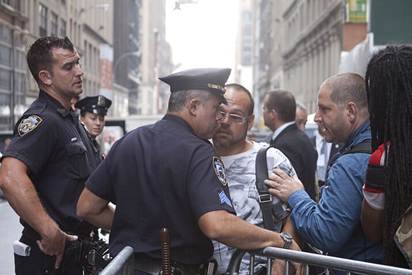
Recording the Police Is Legal, Here’s What the Law Says
Let’s be clear: filming public officials in public places is a constitutional right. The First Amendment protects your ability to document what you see, especially when it involves government actors like police. This isn’t a gray area. Federal courts, including those that cover New York, have repeatedly affirmed this right.
In fact, multiple rulings from the Second Circuit Court of Appeals, which covers New York, have made it clear that recording police behavior in public is protected speech. Whether you’re on Flatbush Avenue in Brooklyn or outside a protest at Niagara Square in Buffalo, you have the right to pull out your phone and hit record.
New York also has no wiretapping law that prevents recording in public, as long as the person recording doesn’t interfere with police work. That last part is key. If you physically obstruct an officer or ignore lawful orders to step back, the situation can shift. But simply filming from a safe distance, that’s your right.
When Police Cross the Line: Phone Seizure Without a Warrant
Even when you follow the rules, officers don’t always do the same. If a New York police officer grabs your phone without a warrant or your consent, they may have violated your Fourth Amendment rights. That amendment protects against unreasonable searches and seizures.
Officers do have limited authority to seize evidence under very specific conditions, known as exigent circumstances. These situations usually involve real, immediate threats, like someone about to destroy evidence or harm someone. But filming from across the street in Syracuse or along the Hudson River waterfront in Yonkers doesn’t create an emergency.
Most unlawful phone seizures happen during:
- Recordings of arrests or police stops
- Public protests or rallies
- Encounters where bystanders document possible misconduct
If none of those situations posed an immediate, credible threat, officers had no legal reason to take your phone. And without a warrant, they certainly couldn’t search it.
Your Privacy Matters: Why Phone Searches Require Legal Process
Modern phones carry much more than just video. They store emails, bank info, private messages, health records, and even real-time GPS data. That’s why the U.S. Supreme Court drew a hard line in the Riley v. California case in 2014: police must get a warrant before searching someone’s phone.
The justices understood how much personal life gets stored on a smartphone. They compared it to the difference between searching someone’s pockets and reading through their entire home.
Here’s what matters for you:
- If you didn’t unlock the phone
- If you didn’t give verbal or written consent
- If they didn’t show a warrant
Then any search may have been unlawful. It doesn’t matter if they only looked at your camera roll or opened one app. The law treats that access seriously. And New York courts tend to follow that same high standard when deciding whether phone evidence is admissible.
For a breakdown of your digital rights, you can review the ACLU’s guide to phone searches.
Local Law Enforcement Policies Don’t Override Your Rights
Every police department in New York, from the NYPD to smaller ones in places like Schenectady or Newburgh, sets its own internal policies. These documents might say how officers should handle phone seizures or digital evidence. But those policies can’t override the Constitution.
Say an officer claims their department lets them temporarily hold a phone during an arrest. That still doesn’t cancel out your rights under the Fourth or First Amendments. Courts don’t accept internal rules as valid substitutes for judicial warrants or constitutional protections.
It’s also important to note that many officers misunderstand their own guidelines. Some think they can demand access to a phone just because it was used during an incident. That’s not how the law works. Your rights follow the Constitution, not a department memo.
What To Do If It Happens To You
Staying calm and focused in the moment isn’t easy, especially when emotions run high. But if an officer takes your phone while you’re recording, your next steps matter. They can help build your case later.
Here’s what you should do:
- Ask clearly, "Am I being detained?" If not, you can leave.
- Say you don’t consent to a search.
- Don’t unlock the phone or give them your passcode.
- Try to remember the officer’s name, badge number, and agency.
- Write down everything you remember as soon as possible.
- Ask for a property receipt if they take your device.
- If you were with others, ask them to record or write down what happened.
The sooner you document the situation, the more reliable your memory will be. That record can later support legal claims or complaints.
Why You May Have a Strong Legal Claim
If police in New York took your phone without a warrant and looked through it without consent, that may be a clear rights violation. Courts weigh both the facts and the officer’s actions. Your word matters, especially when paired with consistent details, recordings, or eyewitness accounts.
New York civil rights attorneys often file claims under 42 U.S.C. Section 1983, a federal statute that lets individuals sue when government actors violate constitutional rights. That means you may be entitled to:
- Return of your phone or device
- Suppression of any evidence obtained unlawfully
- Potential financial compensation
- Court orders that require better conduct from police
The strength of your case often depends on how clearly the officer overstepped. If they had no legal basis to take your phone, and especially if they accessed its contents without following legal procedures, your position is likely strong.
Take Action: Reclaim Your Voice and Protect Your Rights
Being silenced, especially by someone in power, can feel disorienting. But you’re not alone. You have rights under both the U.S. and New York State constitutions. Holding law enforcement accountable reinforces the standards all officers must follow.
Standing up after a violation helps protect future cases. It signals that digital privacy and free speech still matter, even in an age of smartphones and public footage.
Document what happened. Speak with a lawyer. Know your options.
Stand Firm, Stay Informed, Know Your Rights
If police took your phone while you were filming in New York, it matters. Your rights matter. The laws are in place for a reason, and they protect you.
At Horn Wright, LLP, we’re here to help people push back when lines are crossed. Our attorneys understand the laws around phone searches, digital privacy, and civil rights in New York State. We’re ready to help you seek answers and take the next step toward justice.

What Sets Us Apart From The Rest?
Horn Wright, LLP is here to help you get the results you need with a team you can trust.
-
Client-Focused ApproachWe’re a client-centered, results-oriented firm. When you work with us, you can have confidence we’ll put your best interests at the forefront of your case – it’s that simple.
-
Creative & Innovative Solutions
No two cases are the same, and neither are their solutions. Our attorneys provide creative points of view to yield exemplary results.
-
Experienced Attorneys
We have a team of trusted and respected attorneys to ensure your case is matched with the best attorney possible.
-
Driven By Justice
The core of our legal practice is our commitment to obtaining justice for those who have been wronged and need a powerful voice.