


Police Violated Your Rights During a Mental Health Crisis: Steps to Take
What to Do If Law Enforcement Mishandled Your Mental Health Emergency in New York
When you're going through a mental health crisis, the last thing you expect is to be treated like a threat. But for many New Yorkers, that’s exactly what happens. Police respond, not with compassion, but with cuffs. Or worse, with force. If you've been mistreated during one of your most vulnerable moments, you’re not without options.
At Horn Wright, LLP, we understand how deeply personal and traumatic these incidents can be. Our civil rights attorneys stand up for people across New York State whose rights have been violated by law enforcement during mental health emergencies. We’re here to help you make sense of what happened and fight back, so you can move forward with dignity.
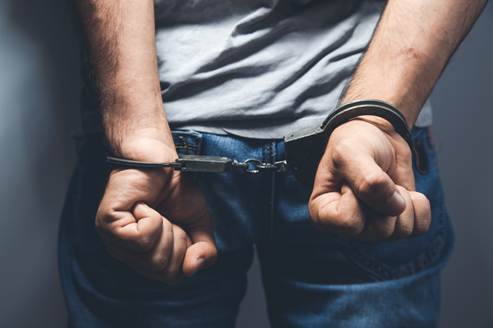
Recognize What Counts as a Rights Violation in New York
Start by identifying whether what happened to you crossed a legal line. Police can detain someone during a mental health episode under New York Mental Hygiene Law § 9.41, but only if they reasonably believe that person may harm themselves or others. What they cannot do is treat mental illness like criminal behavior.
Here are some clear examples of rights violations:
- Using unnecessary force when the person is unarmed or non-threatening
- Denying medical care after an injury
- Failing to call for trained mental health responders when available
- Holding someone without following legal procedures under Mental Hygiene Law § 9.58
In New York City, for example, the Civilian Complaint Review Board (CCRB) handles complaints of police misconduct. Elsewhere, like in Rochester, Albany, or Suffolk County, you may need to report through internal affairs or the state Attorney General’s Office. Knowing whether the officer followed proper protocol matters. If they didn’t, you may have a valid civil rights claim.
Get to a Safe, Stable Place First
Before you worry about any paperwork or legal action, take care of yourself. If you’re hurt, get medical help immediately. Go to a hospital or urgent care center. Don’t wait. If you’re overwhelmed or emotionally shaken, connect with someone you trust.
New York has resources that can help stabilize your situation, including:
- NYC Well: Free, 24/7 mental health support
- Crisis Text Line: Text HOME to 741741
- Erie County Crisis Services: For those living in and around Buffalo
- Local mobile crisis teams in counties like Westchester, Monroe, or Tompkins
You don’t have to explain everything right now. You just need to feel safe. You can take the next steps when you’re ready.
Write Down Everything You Remember
The sooner you document what happened, the better. Start with what you can recall right after the incident, before details fade or blur. Use your phone, a notebook, or even a voice memo.
Include:
- The date, time, and location
- Names or badge numbers (if known)
- What was said by officers or emergency responders
- Specific actions taken: physical restraint, weapons used, handcuffing, verbal threats
- Who else was present
Mention anything distinctive about the location. Were you near Union Square Park in Manhattan? Outside a Tops supermarket in Buffalo? Specifics can help later when requesting footage or reports.
Keep photos, text messages, and voicemails, too. If a friend took a video or heard you on the phone during the incident, that matters. Every piece of evidence builds your story.
Gather Witnesses and Supporting Evidence
You don’t have to do this part alone, but if you're up for it, gathering outside confirmation strengthens your position. Start by thinking about who else saw what happened.
- Was anyone with you at the time: friends, roommates, family?
- Did people nearby react: neighbors, bystanders, subway passengers?
- Did anyone try to intervene or film the encounter?
If you were in a public space like a Metro-North station, 7th Avenue, or outside a government building, security footage might exist. Many businesses, apartment complexes, and traffic systems record continuously. You can return to the area and ask around or have someone do it for you.
Also, remember that police officers in many departments wear body cameras. You can request that footage later through a Freedom of Information Law (FOIL) request. Hold onto any names or details you have that will help locate that footage.
File a Complaint with the Right Oversight Agency
Reporting the incident is about creating a public record. In New York, several agencies handle police misconduct, depending on where the incident happened.
Here’s where to start:
- New York City: File with the Civilian Complaint Review Board (CCRB)
- Outside NYC: Contact the police department’s internal affairs division
- Statewide oversight: Reach out to the New York State Attorney General’s Office or the State Commission of Correction
Each has different forms and deadlines. Some give you 90 days; others up to a year. If you're not comfortable sharing your name, ask if anonymous complaints are accepted. In many cases, you can submit forms online, by mail, or in person.
Filing a complaint puts what happened on the record and can push departments to change how they respond in the future.
Request Public Records Promptly
New York’s Freedom of Information Law (FOIL) lets you request key documents from government agencies. These can back up your account and strengthen a future claim.
What to request:
- Police reports
- 911 call transcripts
- Officer body camera footage
- Communications between officers or dispatch
Agencies that handle FOIL requests include:
- NYPD Records Access Office
- Local sheriff or police departments
- County emergency services departments
Be specific in your request. Include the date, time, and location. Mention the officers' names, if known. Agencies must respond within five business days, although getting the records may take longer. Follow up. Keep copies of all correspondence.
Consider Filing a Civil Rights Lawsuit
If police crossed a legal line, you may have grounds for a lawsuit. These cases fall under Section 1983 of federal law or New York Civil Rights Law §§ 79-n and 80.
Key things to know:
- You must show that your rights were violated
- Damages can include emotional distress, physical harm, lost income, and legal costs
- In New York, the statute of limitations is three years
- Public employees may claim qualified immunity, so building a strong case matters
Understanding false imprisonment and other rights violations can help frame your next steps. A strong legal claim begins with strong information.
Speak With a Civil Rights or Police Misconduct Attorney
Even if you're unsure about filing a lawsuit, talking to a lawyer gives you clarity. The right attorney will review your case, explain your rights, and guide you through your options. They’ll help you understand timelines, gather additional evidence, and shield you from retaliation.
In New York, look for attorneys who focus on civil rights, police misconduct, or constitutional law. Some also work in partnership with advocacy groups like:
- New York Civil Liberties Union (NYCLU)
- Legal Aid Society
- National Police Accountability Project
Initial consultations are often free or low-cost. Don’t wait too long. Getting legal advice early can make a real difference.
Focus on Your Recovery
What happened was a personal violation, during a moment when you needed support. The emotional aftermath can linger for months, sometimes longer. You deserve time and space to recover.
New York has mental health resources specifically geared toward people who’ve experienced trauma:
- NAMI-NYS: Offers peer support and recovery groups
- NYC’s ThriveNYC program: Connects people to community-based services
- County-level behavioral health clinics in places like Onondaga, Dutchess, and Rockland
You may also want to connect with a trauma therapist or counselor who understands the intersection of mental illness and policing. Healing takes time, but it's possible.
Know Your Rights for the Future
When another crisis arises, you may still need to call for help. But this time, you’ll have tools to protect yourself or a loved one.
In some parts of New York, you can ask for a mental health response team instead of uniformed officers. NYC’s B-HEARD program and other Mobile Crisis Teams are trained to de-escalate without force.
You can also:
- Create a personal crisis plan
- Carry a card noting mental health conditions and emergency contacts
- File advance forms with your local police to guide future responses
The more prepared you are, the better chance you have of receiving care during a mental health emergency.
Get Legal Support After a Mental Health Rights Violation in New York
If police in New York mistreated you during a mental health crisis, Horn Wright, LLP, is ready to stand with you. Our attorneys help people throughout the state, whether your experience happened in Harlem, Hempstead, or Hudson. We’ll listen to your story, explain your rights, and help you pursue accountability.
You don’t have to carry this alone. Let’s take that weight off your shoulders, so you can focus on what comes next.

What Sets Us Apart From The Rest?
Horn Wright, LLP is here to help you get the results you need with a team you can trust.
-
Client-Focused ApproachWe’re a client-centered, results-oriented firm. When you work with us, you can have confidence we’ll put your best interests at the forefront of your case – it’s that simple.
-
Creative & Innovative Solutions
No two cases are the same, and neither are their solutions. Our attorneys provide creative points of view to yield exemplary results.
-
Experienced Attorneys
We have a team of trusted and respected attorneys to ensure your case is matched with the best attorney possible.
-
Driven By Justice
The core of our legal practice is our commitment to obtaining justice for those who have been wronged and need a powerful voice.