


Protecting Yourself Against Civil Rights Violations During Emergency Curfews
Know Your Rights When the Rules Change in New York
When emergency curfews go into effect in New York, everything feels uncertain. People are told to stay home. Police patrol the streets with broader discretion. But even under these restrictions, your civil rights still matter. The law doesn’t disappear because of a curfew. If an officer oversteps or targets you unfairly, you may have a legal claim.
At Horn Wright, LLP, our civil rights attorneys help people across New York State push back against civil rights violations that occur during curfews, protests, or emergencies. Whether you were stopped in the Bronx or detained in Syracuse, your rights are worth protecting.
This guide will walk you through how curfews work, what violations look like, and how to respond safely and legally if your rights are ignored.
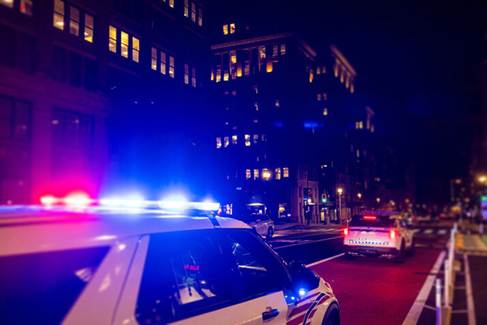
What Emergency Curfews Allow and What They Don’t
Curfews are temporary rules issued by local or state governments during emergencies. In New York, mayors or the governor can set these restrictions through executive orders. They usually aim to limit movement or prevent unrest, especially during large-scale protests or natural disasters.
But curfews don’t cancel the Constitution. Even during a declared emergency, law enforcement must respect:
- Your right to free speech
- Your right to equal treatment
- Your protection from excessive force or unlawful detention
You may be restricted from walking or driving during certain hours. However, exemptions often apply. Essential workers, medical emergencies, and press coverage typically fall outside the restrictions.
In 2020, New York City imposed a curfew following citywide protests. Essential workers and journalists were stopped despite having valid ID. In Buffalo, curfews issued after major snowstorms included exemptions that police sometimes ignored. When enforcement turns selective or aggressive, the law may no longer be on their side.
Common Civil Rights Violations During Curfews
During a curfew, officers have wide discretion, but that power has limits. Violations happen when police enforce curfew laws in ways that discriminate, escalate, or suppress your rights. Some of the most reported violations in New York include:
- Arresting peaceful protesters who are exercising First Amendment rights
- Targeting specific communities for curfew stops more than others
- Detaining journalists despite press exemptions
- Using excessive force during crowd dispersals
- Denying medical exemptions or failing to confirm essential worker status
Some people in Albany reported being pulled over while headed to overnight shifts at hospitals, even after showing ID. In Queens, legal observers were detained while trying to monitor arrests during a protest. These actions may violate both New York State and federal protections.
How to Respond in the Moment If You’re Stopped
If you’re out during curfew hours and police stop you, how you respond can shape what happens next. It’s hard to stay calm when you feel targeted, but clear and respectful communication helps protect your rights. Here are a few actions to take:
- Ask clearly if you are free to leave
- State your exemption if you are an essential worker, press, or have medical need
- Do not consent to searches; say, “I do not consent” if asked
- Ask for officer name and badge number; you have the right to this information
- Avoid escalating the situation, even if enforcement seems unfair
New York law allows officers to check for curfew violations, but they cannot arrest you without cause. If you feel unsafe, remember that most officers now wear body cameras, especially in places like Rochester or Schenectady. Those recordings can later support your version of events.
Documenting Curfew-Related Misconduct
If something feels wrong during or after a police stop, start documenting. Civil rights cases rely on details. Whether you’re filing a complaint or building a lawsuit, strong documentation gives your story power.
Here’s what to gather:
- Time, date, and exact location of the stop or arrest
- Names and badge numbers of all officers involved
- Photos or videos taken by you or bystanders
- Copies of citations, tickets, or court paperwork
- Medical records, if force was used or injuries occurred
Also, write everything down as soon as possible. Memory fades quickly after a stressful event. A day-by-day log builds a timeline that your lawyer can use to compare with police reports or video footage.
Filing Complaints or Taking Legal Action
You can file a civil rights complaint even if you weren’t arrested. Misconduct, intimidation, or profiling during curfews may violate both state and federal law.
Options include:
- Filing with the local department’s internal affairs or oversight office
- Submitting to the Civilian Complaint Review Board (CCRB) if you’re in NYC
- Contacting groups like the New York Civil Liberties Union
- Suing under Section 1983 for violations of constitutional rights
If you choose to sue, you’ll need to show that officers acted under “color of law” and that their actions deprived you of protected rights. Courts often review body cam footage, GPS data, and written records to decide whether a violation occurred.
Even a citation issued unfairly during curfew enforcement can become part of a larger civil claim, especially when force or bias was involved.
How a Civil Rights Lawyer Can Help During and After a Curfew Violation
A lawyer does more than just file paperwork. In civil rights cases tied to curfews or emergency enforcement, your attorney is your shield and your strategist. They take the evidence you’ve collected and use it to build a structured, compelling case.
Civil rights attorneys:
- Identify violations based on curfew orders, arrest records, and enforcement patterns
- Investigate whether curfew was enforced consistently across groups
- Subpoena officer communications, radio dispatches, and surveillance footage
- Cross-reference timelines to expose contradictions or false claims
- File motions to suppress illegally gathered evidence
In New York State, police misconduct claims must follow strict filing rules. If a city agency was involved, you may need to submit a Notice of Claim within 90 days. An attorney ensures that deadlines are met and your case stays on track.
Staying Safe While Curfews Are in Effect
You can prepare in advance, especially if you know a curfew is coming. Staying informed and protecting yourself doesn’t mean avoiding public spaces. It means moving smartly and being ready to document interactions if needed.
Tips to stay safe:
- Carry ID and exemption documents if you’re allowed to travel during curfew
- Keep your phone charged and recording apps ready
- Travel with others when possible to increase visibility
- Tell someone your plans and check in once home
- Avoid isolated areas or spots with heavy police presence after dark
If something does happen, get legal help as soon as possible. Quick action can preserve security footage, identify witnesses, and stop further escalation.
You Don’t Lose Your Rights at Night
Emergency curfews may change how people move through the city, but they don’t cancel your rights. If an officer uses curfew enforcement as a tool to target, intimidate, or silence you, the law is still on your side.
At Horn Wright, LLP, we’ve helped New Yorkers respond to police overreach, wrongful arrests, and intimidation during emergency restrictions. We know what it takes to hold agencies accountable, and we’ll stand with you when your rights are at risk.

What Sets Us Apart From The Rest?
Horn Wright, LLP is here to help you get the results you need with a team you can trust.
-
Client-Focused ApproachWe’re a client-centered, results-oriented firm. When you work with us, you can have confidence we’ll put your best interests at the forefront of your case – it’s that simple.
-
Creative & Innovative Solutions
No two cases are the same, and neither are their solutions. Our attorneys provide creative points of view to yield exemplary results.
-
Experienced Attorneys
We have a team of trusted and respected attorneys to ensure your case is matched with the best attorney possible.
-
Driven By Justice
The core of our legal practice is our commitment to obtaining justice for those who have been wronged and need a powerful voice.