


Rights Violations at DUI Checkpoints: What Police Can and Can't Do
Understanding DUI Checkpoint Laws in New York
If you've been stopped at a DUI checkpoint, you probably felt anxious. Maybe the lights flashed behind you on a quiet night. Maybe you were waved into a line of cars with no idea why. These stops feel sudden and intense, and many drivers aren't sure what their rights are. What can police legally ask you to do? And just as important, what can’t they do?
At Horn Wright, LLP, our civil rights attorneys represent people across New York who were mistreated or unlawfully searched at DUI checkpoints. If police crossed the line during a stop, we’ll help you understand what happened, what went wrong, and what steps you can take to challenge it. Your rights matter every time you’re on the road.
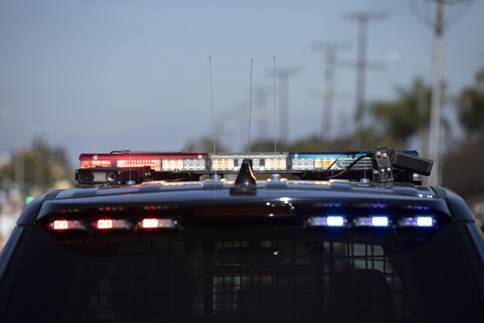
Start With the Basics: What Is a DUI Checkpoint?
DUI checkpoints, sometimes called sobriety checkpoints, are locations where police stop drivers to screen for intoxication. Unlike regular traffic stops, these aren’t based on individual suspicion. Instead, officers briefly stop vehicles in a pattern, such as every third or fourth car, to check for signs of impairment.
In New York, DUI checkpoints are legal. However, they must meet strict legal requirements. The stop must be brief, consistent, and based on a pre-set plan. Agencies like the NYPD or New York State Police often set up checkpoints on weekends or holidays in high-traffic areas. You might see one on the Long Island Expressway, near Times Square, or in parts of Erie or Suffolk counties.
Police use these checkpoints to identify drunk drivers, but they’re not allowed to detain people without cause. Officers must follow state and federal guidelines that balance public safety with constitutional protections.
Understand What Police Can Do at a Checkpoint
Police do have certain powers at a DUI checkpoint, but those powers are limited. Officers can:
- Briefly stop drivers based on a neutral system (not at random)
- Ask for your license, registration, and insurance
- Observe for signs of impairment, such as slurred speech or bloodshot eyes
- Request field sobriety testing if they observe clear signs of intoxication
- Detain you only if there is reasonable suspicion of a DUI offense
They may also direct traffic and manage vehicle flow to reduce backups. These procedures are designed to protect public safety without violating individual rights. Officers are not allowed to pick and choose who they stop based on appearance or assumptions.
In areas like Albany or Queens, law enforcement often announces large checkpoint operations in advance. That publicity is part of the legal framework. Advance notice and clearly marked locations make the stops lawful under New York and federal law.
Know What Police Can’t Do at a Checkpoint
The Constitution doesn’t disappear at a checkpoint. Police have real limits. They can’t:
- Stop cars without using a consistent, neutral pattern
- Extend the stop beyond a brief interaction without specific suspicion
- Search your car without probable cause or valid consent
- Use intimidation to force cooperation
- Demand access to your phone or private digital information
For example, if an officer on the Taconic Parkway asks to search your trunk without explaining why, you can say no. That refusal doesn’t give them authority to search. The officer needs either your consent or probable cause to go further.
If police ask questions unrelated to driving, like where you're going or where you live, you don’t have to answer. You only need to provide your license and registration. If they push beyond that without cause, your rights may be in jeopardy.
Recognize Red Flags That Suggest a Rights Violation
Not all checkpoint stops are lawful. You may not realize your rights were violated until after the fact. Some warning signs include:
- Police refusing to explain the reason for stopping you
- Officers selecting cars based on appearance or race
- Being detained without explanation or questioning for an extended time
- Being told you “have to” let them search your vehicle
- Use of physical pressure or implied threats
These types of conduct have occurred during real checkpoints in New York. In the Bronx and Brooklyn, some community advocates have raised concerns about racial profiling during holiday weekend checkpoints. While not every stop involves misconduct, enough do that it’s worth knowing how to spot one.
Know Your Rights During a DUI Checkpoint Stop
Knowing what you can legally do makes a difference. You’re not powerless in these situations.
You have the right to:
- Remain silent beyond giving identifying information
- Refuse to consent to a search
- Decline to answer personal or unrelated questions
- Ask if you’re being detained or free to go
- Record the interaction from inside your vehicle (as long as it’s not interfering)
You should stay calm, keep your hands visible, and be polite, even if you’re asserting your rights. Officers often document the entire stop with dash cams or body cameras. Staying respectful gives your defense more weight if something goes wrong.
If asked to perform field sobriety tests, remember that you can refuse. However, under New York’s implied consent law, refusing a chemical test (like a breathalyzer) may lead to license suspension. These are two different types of tests, and it’s important to understand the consequences of each.
What Happens If Police Violate Your Rights
If officers overstep at a checkpoint, the consequences may affect your entire case. Unlawful police actions can result in:
- Suppression of evidence (meaning it can’t be used in court)
- Reduction or dismissal of charges
- Civil lawsuits for damages under state or federal law
A common example is when an officer searches a car without consent or probable cause. If that search uncovers alcohol or drugs, but the search was unlawful, a judge may throw out that evidence. Without it, the prosecutor may have little to go on.
If you were arrested or cited after a checkpoint stop that felt off, a defense attorney can examine whether the stop itself followed the law. If it didn’t, your rights may have been violated.
How to Document a Checkpoint Violation
After a questionable checkpoint experience, quick documentation helps protect your case. Start by writing down the basics:
- Date, time, and location of the checkpoint
- Name and badge number of the officer(s), if possible
- What the officer said and how they acted
- What questions they asked and how you responded
- Whether your vehicle was searched, and why
- Whether they explained your rights
If your car has a dash camera, save the footage immediately. If passengers witnessed the interaction, ask them to write their account while it’s still fresh.
In some cities, surveillance or traffic cameras may also capture parts of the checkpoint operation. An attorney can request access to this footage during an investigation.
How a Civil Rights or DUI Defense Lawyer Can Help
When your rights were violated at a checkpoint, legal support makes all the difference. Attorneys trained in both DUI defense and civil rights law know how to challenge improper searches and seizures.
A lawyer can:
- Review checkpoint plans and procedures for legal compliance
- Analyze body cam or dash cam footage
- File motions to suppress evidence
- Cross-examine officers about their actions during the stop
- Represent you in both criminal court and civil litigation
In some cases, they may file a civil claim under 42 U.S. Code Section1983, which protects people from unlawful actions by government officials. If successful, this could lead to compensation for damages and misconduct.
Final Takeaway: You Don’t Lose Your Rights at a Checkpoint
DUI checkpoints may be legal, but that doesn’t give police unlimited power. If an officer searched your car without cause, extended your stop without reason, or pressured you into cooperation, your rights may have been violated. You can take action to protect yourself.
Our trusted legal team at Horn Wright, LLP, works with drivers across New York to fight unlawful DUI checkpoint stops. We help uncover what really happened, challenge illegal searches, and demand accountability. If something didn’t feel right during your stop, reach out. We’re ready to help you take the next step.

What Sets Us Apart From The Rest?
Horn Wright, LLP is here to help you get the results you need with a team you can trust.
-
Client-Focused ApproachWe’re a client-centered, results-oriented firm. When you work with us, you can have confidence we’ll put your best interests at the forefront of your case – it’s that simple.
-
Creative & Innovative Solutions
No two cases are the same, and neither are their solutions. Our attorneys provide creative points of view to yield exemplary results.
-
Experienced Attorneys
We have a team of trusted and respected attorneys to ensure your case is matched with the best attorney possible.
-
Driven By Justice
The core of our legal practice is our commitment to obtaining justice for those who have been wronged and need a powerful voice.