


Targeted by Police After Protesting? You May Have a Case for Harassment
Speaking Out Shouldn’t Lead to Being Singled Out
Peaceful protest is a protected act. In New York, thousands of people gather each year to speak out on issues that matter.
Whether you joined a march in Albany or stood with a crowd in Union Square, you exercised your rights under the Constitution. But for some, what came afterward felt wrong—extra stops, surprise visits, threats, or surveillance. These moments aren’t isolated mistakes. They may be part of a pattern of retaliation.
At Horn Wright, LLP, our civil law attorneys help New Yorkers who’ve been singled out by police after engaging in protected protest activity. If your rights were violated, you may have a legal path forward. You don’t have to let this go unanswered.
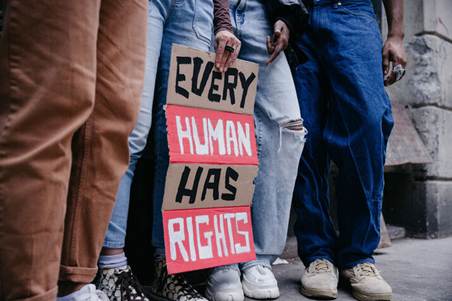
Understand What Counts as Police Harassment After a Protest
Police harassment doesn’t always start with sirens or shouts. Sometimes, it creeps in quietly. You may notice an officer who stops you more than once in the same week. Or you might get a series of parking tickets outside your home after a publicized protest. These moments don’t always feel like emergencies, but they can still be serious civil rights violations.
In New York State, you have the right to protest without being punished afterward. But some people are targeted for participating. This often looks like:
- Repeated, unnecessary traffic stops
- Officers lingering near your home or workplace
- Harassing questions about your protest involvement
- Anonymous complaints made to your employer
- Threats of arrest without legal grounds
In 2020, several protesters in NYC reported similar treatment after demonstrations. Civil rights organizations filed lawsuits and demanded accountability. If you're seeing a pattern that began only after you exercised your right to speak out, that connection matters.
Know the Legal Protections That Apply to Post-Protest Targeting
Your right to protest is protected under the First Amendment of the U.S. Constitution. It gives you the freedom to speak, gather, and express dissent—whether that’s in a crowd or through a sign on the sidewalk.
In New York, Civil Rights Law Section 79-n adds protection. It says law enforcement cannot retaliate against you for lawful expression, including protest. Harassment after a protest may violate this state law as well as federal civil rights protections under 42 U.S. Code Section 1983.
What matters in these cases is intent. If you can show that an officer targeted you because of your protest activity, and not for any legitimate reason, you may have grounds for a legal claim. That includes both verbal intimidation and physical harassment. And you don’t need a formal arrest for the conduct to be unlawful.
Recognize the Red Flags That Suggest You’re Being Targeted
Harassment doesn’t always come with a warning. You may notice small things first. Maybe an officer who never used to speak to you suddenly starts following you. Maybe you get cited for something minor—like jaywalking or window tint—more than once within a few days.
Look out for these signs:
- Officers visiting your home without a warrant or call
- Surveillance vehicles or unmarked cars near your home
- A sudden spike in tickets or citations
- Personal questions about your protest activity or affiliations
- Social media accounts monitored or messaged by law enforcement
- Friends or coworkers being questioned about you
These red flags may not feel urgent on their own. But when they form a pattern, especially following a protest, they raise legal concerns. Keep track, and don’t assume it’s all coincidence.
Document Every Encounter Immediately and Securely
Once something feels off, begin writing it down. Don’t wait until you have a dozen incidents. One detailed entry can make a difference. Include the date, time, location, names, and everything you remember. Try to write it within minutes or hours of the event.
Create a digital file or use a secure notes app. Backup your entries to the cloud or an external drive. If you filmed or recorded the interaction, label it with the date and keep it in multiple places.
Here’s what to include:
- Officer name, badge number, or vehicle info
- What was said or done
- Your emotional response (fear, panic, confusion)
- Any damage to property
- Witness names or contact details
These records will help your attorney build a timeline if you decide to take legal action.
Preserve Any Messages, Citations, or Surveillance Evidence
Some harassment takes the form of paperwork. A string of vague citations. An emailed warning. A voicemail that sounds more like a threat than a notice. All of this matters.
Save:
- Texts or emails from officers, departments, or city agencies
- Voicemails with aggressive or confusing language
- Photos of citations or tickets (keep originals if possible)
- Screenshots of social media messages that appear retaliatory
- Letters or notices left at your home or workplace
If you receive anything anonymous that references your protest participation, keep it. Harassment isn’t always obvious, but these small details add up and help support your claim.
Connect the Harassment Back to Your Protected Protest Activity
This is where the legal argument takes shape. If the timeline shows that retaliation started only after you participated in a protest, that’s a key piece of your claim. The closer the timing, the stronger the case.
You’ll need to show:
- Evidence of your protest activity (photos, videos, social posts)
- When and where the protest happened
- When the harassment began
- Any overlap between involved officers and the protest event
- Witnesses who saw or heard targeting behavior
You don’t have to prove the officer said, “I’m doing this because you protested.” Courts often rely on timing and behavior patterns to establish intent. A civil rights attorney can help make those connections clear.
File Complaints with Oversight Agencies to Build a Record
Filing a formal complaint doesn’t just express your concern—it helps build a paper trail. That documentation may later support a lawsuit or investigation, especially if others file similar reports.
In New York, you can report to:
- The internal affairs division of the local police department
- The Civilian Complaint Review Board (CCRB) if the NYPD is involved
- The Office of the New York State Attorney General’s Civil Rights Bureau
Include copies of your documentation, including video, citations, witness info, and your timeline. Save all submission confirmations and follow up when needed.
Some departments may not respond right away. The point is to document your efforts and create an official record of the conduct.
Seek Legal Support from a Civil Rights Attorney Who Handles Retaliation Claims
These cases can be complex. They involve constitutional law, local police policy, and your right to protest safely. Handling it alone puts you at a disadvantage, especially if you’re still facing ongoing pressure.
A civil rights attorney will:
- Evaluate the timeline of events
- Organize evidence and build a legal theory
- Advise you on whether to go public or stay private
- File claims in state or federal court
- Seek damages, policy changes, or legal protection
Not every law firm has experience with retaliation after protest. Look for one that understands civil rights law in New York. At Horn Wright, LLP, we’ve helped people turn intimidation into legal action. You deserve someone who’s seen this before and knows how to respond.
Stay Safe and Protect Your Rights Moving Forward
While you focus on your legal options, you should also think about your safety. Retaliation doesn’t always stop overnight. But you can take steps to guard your rights without stepping back from your values.
Here’s what helps:
- Let a trusted friend know when you leave or arrive home
- Track all new police contact in real time
- Avoid solo interactions with officers involved in your case
- Consider changing your route or commute if you’re being followed
- Talk to a mental health professional if the stress becomes overwhelming
You have nothing to be ashamed of. Seeking safety is about protecting your peace and your legal standing.
You Protested Lawfully. Harassment Afterward Is Not.
If you’ve been followed, threatened, or singled out by police after a protest, you’re not imagining it. This kind of harassment violates your rights under New York and federal law.
At Horn Wright, LLP, we help protest participants turn retaliation into accountability. We listen, we investigate, and we act. If law enforcement crossed a line, we’ll help you hold them to the law they swore to uphold.

What Sets Us Apart From The Rest?
Horn Wright, LLP is here to help you get the results you need with a team you can trust.
-
Client-Focused ApproachWe’re a client-centered, results-oriented firm. When you work with us, you can have confidence we’ll put your best interests at the forefront of your case – it’s that simple.
-
Creative & Innovative Solutions
No two cases are the same, and neither are their solutions. Our attorneys provide creative points of view to yield exemplary results.
-
Experienced Attorneys
We have a team of trusted and respected attorneys to ensure your case is matched with the best attorney possible.
-
Driven By Justice
The core of our legal practice is our commitment to obtaining justice for those who have been wronged and need a powerful voice.