


Unlawful Arrest at a Protest: Steps for Seeking Justice
Arrested While Protesting? You’re Not Alone
It starts fast. Maybe you were in Union Square, peacefully marching with a group, holding a sign, or filming the crowd.
The energy felt strong, the message felt important and then suddenly, you were surrounded, cuffed, and told you were under arrest. You didn’t break anything. You didn’t start a fight. You barely had time to react. Protesting is legal in New York. So is recording the police and speaking out in public. If officers arrested you without clear cause, you might be dealing with an unlawful arrest. And yes, you have rights.
At Horn Wright, LLP, our civil rights attorneys help people push back after these moments. This guide walks through how unlawful protest arrests happen, what to do after, and how to seek justice the right way.
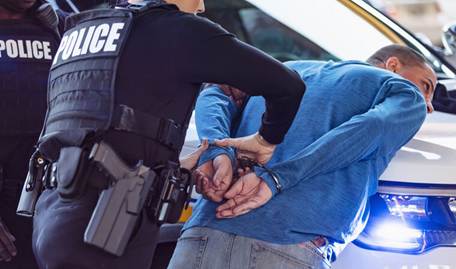
What Makes an Arrest “Unlawful” at a Protest
An unlawful arrest happens when the police take you into custody without legal justification. In the context of a protest, this often means someone was peacefully assembling, speaking, or observing, and the arrest occurred anyway.
In New York, the First Amendment protects the right to protest in public spaces, including sidewalks, parks, and plazas. If you were standing on the steps of City Hall, marching near Washington Park in Albany, or attending a rally in Buffalo, your presence alone shouldn’t trigger an arrest.
Unlawful arrests often involve:
- Lack of probable cause
- Retaliation for filming or chanting
- Vague charges like "disorderly conduct" when no actual disruption occurred
If you weren’t violating a specific law or ignoring a lawful police command, your arrest could fall into this category. The fact that others were louder, angrier, or pushing boundaries doesn’t remove your protections. Officers are required to assess individual behavior—not arrest people based on presence alone.
Know Your Rights Before, During, and After a Protest
In New York, several laws protect protestors and individuals attending public demonstrations. Knowing what those laws say can help you stay safe and respond quickly if things go wrong.
You have the right to:
- Assemble peacefully in public areas, including sidewalks and parks
- Record and photograph police officers performing their duties
- Remain silent if approached or questioned by officers
- Ask, "Am I free to leave?" to clarify if you’re being detained
- Request a lawyer if you’re placed under arrest
Time, place, and manner restrictions do apply. For example, the city may require permits for marches that block traffic. But permits are not required for standing protests or spontaneous gatherings on public land.
New York Civil Rights Law Section 79-p also gives people the right to record and document police conduct in public. Officers cannot lawfully delete your footage or demand your password. They also cannot arrest you solely for filming them.
What To Do Immediately After an Unlawful Arrest
After an arrest, emotions run high. You might feel embarrassed, shaken, or unsure what just happened. That’s normal. But this is also the most important moment to protect your story and start preserving evidence.
Here’s what you should do:
- Seek medical attention if you were hurt during the arrest
- Write down every detail you can remember—times, names, badge numbers, locations
- Save all media from the protest: texts, videos, voice notes, photos
- Request a copy of your arrest paperwork from the precinct or court
- Connect with witnesses who saw what happened or filmed it
Even small details—what an officer said, how long you were detained, what charges you were given—can shape the outcome of a civil rights case. Keep everything organized. If you had a phone on you, back up all data. If someone else recorded your arrest, ask them to send it to a cloud platform instead of a direct message.
Try not to discuss the arrest in public forums or on social media until you’ve spoken with an attorney.
How to Prove the Arrest Was Unlawful
To prove your arrest was unlawful, you’ll need to show that your rights were violated—and that police acted without legal basis. That usually means demonstrating you were engaged in protected activity when the arrest occurred.
Useful evidence includes:
- Footage of the protest or arrest
- Statements from bystanders or organizers
- Dismissal of charges by a judge or prosecutor
- Contradictions in the police report
Let’s say you were arrested while standing quietly on the sidewalk with a sign. If there’s no evidence that you obstructed traffic, refused a lawful order, or acted aggressively, then that arrest may have been retaliatory. Especially if officers targeted you after you filmed them or spoke out.
Peaceful protest, even if loud or controversial, is still protected speech. Courts do not allow police to arrest someone just because they feel uncomfortable with the message or the crowd.
Legal Options for Seeking Justice in New York
If you were arrested unlawfully during a protest, you may be able to bring a civil rights claim against the officers or agency involved. The most common legal path is a lawsuit under 42 U.S.C. Section 1983, which allows people to sue government employees who violate constitutional rights.
Under New York law, you may be entitled to:
- Financial compensation for emotional distress, lost wages, or legal fees
- Expungement of your arrest record
- Court orders that prevent similar actions by police in the future
Successful cases often rely on a strong timeline, preserved footage, and clear inconsistencies in police reporting. But it’s also important to move quickly. New York has filing deadlines (statutes of limitations) for civil rights claims. Missing that window can block your case entirely.
Speaking with a civil rights attorney as soon as possible helps preserve your options.
What Challenges You Might Face in a Protest Arrest Case
Protest-related claims can be difficult, even when they seem clear. Police reports may frame your actions in vague, negative terms. Charges like “failure to disperse” or “interfering with an investigation” often show up, even when the footage tells a different story.
Here are common roadblocks:
- Officers claim you disobeyed a lawful order
- Key footage is missing or unclear
- The police report omits important facts
- There are no witnesses willing to testify
Judges sometimes defer to officers’ word unless strong evidence shows otherwise. But a good legal team can challenge false narratives, cross-check accounts, and uncover inconsistencies.
If you were part of a large protest—like those in Foley Square, Niagara Square, or other public demonstrations—video evidence from the crowd or news sources may help support your claim.
Moving Forward After an Unlawful Arrest
The emotional toll of being arrested during a protest doesn’t go away overnight. You might hesitate to attend another demonstration. You might fear retaliation or public judgment. These feelings are valid.
But staying informed helps you regain control. Here are a few things you can do moving forward:
- Learn your protest rights through resources like the NYCLU protest guide
- Save emergency contact info in your phone
- Use a buddy system at large events
- Back up footage to a secure cloud storage
- Stay peaceful and alert in high-police areas
Many legal observer groups in New York provide on-the-ground support during demonstrations. Connecting with them beforehand gives you someone to call if things go wrong.
You are allowed to speak. You are allowed to assemble. The law is supposed to protect that.
Justice Starts with Your Story
If police arrested you at a protest in New York without cause, you may have the right to take legal action. These arrests aren’t small moments. They carry weight—emotionally, legally, and socially. But they don’t have to define your future.
At Horn Wright, LLP, we help people who were targeted for speaking up or standing together in public. Our attorneys know how to challenge unlawful arrests and push back against intimidation tactics.
You have the right to protest. And when someone takes that away, we’re here to help you fight back.

What Sets Us Apart From The Rest?
Horn Wright, LLP is here to help you get the results you need with a team you can trust.
-
Client-Focused ApproachWe’re a client-centered, results-oriented firm. When you work with us, you can have confidence we’ll put your best interests at the forefront of your case – it’s that simple.
-
Creative & Innovative Solutions
No two cases are the same, and neither are their solutions. Our attorneys provide creative points of view to yield exemplary results.
-
Experienced Attorneys
We have a team of trusted and respected attorneys to ensure your case is matched with the best attorney possible.
-
Driven By Justice
The core of our legal practice is our commitment to obtaining justice for those who have been wronged and need a powerful voice.