


Were You a Victim of Excessive Police Surveillance? How to Stop It
How Police Surveillance Affects Your Life and What You Can Do About It
After an encounter with law enforcement, many people in New York feel unsettled. Maybe you’ve noticed more police cars circling your neighborhood. Maybe a drone hovered over a peaceful protest you attended. Or your phone suddenly acts strange during private conversations. When surveillance starts to follow you into your daily life, it becomes hard to ignore. That sense of being watched doesn’t just go away.
At Horn Wright, LLP, we represent New York residents who believe their privacy has been violated by police surveillance. If you’ve experienced suspicious monitoring at home, online, or out in public, our civil rights attorneys can help you understand your legal options and fight back. We’ll take that stress off your shoulders so you can focus on protecting your future.
Recognize What Counts as Police Surveillance in New York State
Police departments across New York use various surveillance tools to monitor criminal suspects and everyday residents alike. These methods include both digital and physical tracking, often carried out without your knowledge. From facial recognition in New York City to drone use in smaller towns, the spread of surveillance reaches far beyond the five boroughs.
Excessive surveillance happens when police track you without cause, without a warrant, or beyond the boundaries of an investigation. Some methods may follow legal standards, but others raise deep constitutional concerns.
You might see this surveillance:
- At public housing developments in Brooklyn or the Bronx, where fixed cameras track resident movement
- Near schools or public plazas in cities like Albany or Syracuse, where facial recognition systems scan faces in real time
- Along highways like I-87, where plate readers record every vehicle that passes
- Overhead in towns like Yonkers, where drone patrols capture gatherings or protests
Each of these examples reflects real methods used today. When applied without oversight, they can erode public trust and invade personal freedom.
Understand Your Privacy Rights Under New York Law
You have the right to be free from unreasonable searches and surveillance, but enforcing that right often depends on legal pressure and public accountability. In New York, police usually need a warrant to search private property or access personal data, though they may claim exceptions. Drones flying over your backyard or police collecting social media data without consent raise real legal questions.
Some cities are responding. The POST Act in New York City requires the NYPD to disclose surveillance tools in use, offering a step toward transparency. Still, state law leaves large gaps, especially around real-time tracking in public spaces. Knowing where those gaps exist helps you recognize when your rights may be at risk.
Identify Signs You May Be Under Police Surveillance
Not every form of surveillance leaves a clear trail. But certain patterns, when repeated or combined, can signal that you’re being watched.
Look out for:
- Unmarked vehicles repeatedly parked near your home or workplace
- Drones flying over your property or gatherings
- Unexplained phone glitches during private calls
- Police officers appearing at events without clear purpose
- Friends or contacts mentioning police questions about you
- Social media posts being flagged or removed unexpectedly
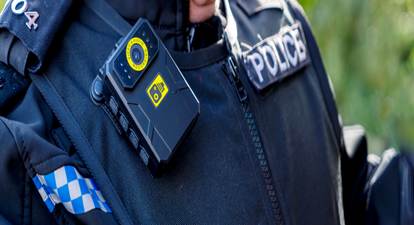
In Rochester, drone flights over peaceful demonstrations caused alarm and led to legal challenges, especially after the release of police bodycam footage. The footage added to growing concerns about how law enforcement uses surveillance during public protests. It also highlighted how public pressure often follows when surveillance goes too far.
Surveillance can be subtle. But when you start to notice repeated attention from law enforcement, trust your instincts. You don’t have to wait for confirmation before taking steps to protect yourself.
Document the Surveillance You Experience
If you suspect you’re under surveillance, keep a clear and detailed record. This helps support your claims later and may become crucial if you pursue legal action.
Start with the basics:
- Create a written log noting times, locations, and what happened
- Take photos or videos of suspicious vehicles, drones, or officers
- Save emails, texts, or screenshots that relate to monitoring
- Record badge numbers, uniform descriptions, and license plates when possible
- Store everything in a secure, cloud-based folder you can access safely
Groups like CopWatchNYC and the Surveillance Technology Oversight Project (S.T.O.P.) offer templates and tools for tracking these encounters. If you’re in a smaller city like Utica or Newburgh, consider linking with local civil rights groups to compare notes and stay alert.
Even a small file of evidence can make a big difference.
File a Police Misconduct Report in New York State
If you believe police have surveilled you without legal cause, you can file an official complaint. Start by checking whether your local government has a civilian oversight agency.
Counties like Albany and Monroe have review boards that accept complaints involving surveillance and other misconduct. Elsewhere in New York, you may need to contact the county clerk or police department directly. Some offer online forms, while others require mailed submissions.
Tips for your complaint:
- Be specific. Include names, dates, and actions taken
- Attach photos, logs, and other documentation
- Keep a copy for your records
Be ready for delays or limited responses. Some departments may try to dismiss these concerns, so persistence and detailed documentation are key.
Request Your Surveillance Records Under New York’s FOIL
New York’s Freedom of Information Law (FOIL) lets you request public records from state and local agencies. If you think law enforcement collected data on you, you can file a FOIL request to see what they have.
You can use the New York State Open FOIL Portal to:
- Request body cam footage or drone surveillance data
- Access records of geofence warrants or license plate scans
- View internal communications about surveillance operations
Agencies have five business days to respond, though delays are common. If your request is denied or heavily redacted, you can file an administrative appeal.
Keep your tone professional and your language direct. Ask only for the records you need. If you live in a city like Schenectady or Troy, try contacting local journalists or advocacy groups who’ve filed similar requests. Their experience can help shape your approach.
Talk to a Civil Rights Attorney
Not all surveillance leads to legal action, but if your privacy has been seriously violated, talking to an attorney is the right next step.
Civil rights attorneys in New York can help you:
- Determine if your rights under state or federal law were violated
- File lawsuits for unlawful surveillance or retaliation
- Seek damages or policy changes within your local police department
Bring any documentation you’ve gathered, including FOIL responses, photo logs, or written complaints. A strong paper trail can help your attorney build a case faster.
If you’re unsure about your rights or how the process works, understanding police misconduct is an important step toward protecting yourself.
Cases across New York, from Long Island to the Capital Region, have resulted in major settlements and policy reforms. But it often takes an experienced legal team to push your case forward. You don’t have to take on the system alone.
Join or Support Local Anti-Surveillance Advocacy Groups
Surveillance affects entire communities, not just individuals. That’s why advocacy plays a powerful role in resisting it.
In New York, you can support or join:
- Surveillance Technology Oversight Project (S.T.O.P.)
- Legal Aid Society’s Cop Accountability Project
- New York Civil Liberties Union (NYCLU)
These groups offer legal updates, training workshops, and policy campaigns aimed at curbing abusive police monitoring. You can also attend local city council meetings in towns like Ithaca or Poughkeepsie, where residents debate new surveillance policies.
Even small actions, like signing petitions, sharing your story, or supporting transparency legislation, can shift local outcomes.
Push for Stronger Surveillance Limits in Your Local Area
Change doesn’t happen overnight, but local pressure moves the needle. If you want to limit police surveillance in your area, speak directly to your elected officials.
Here’s how to start:
- Call your New York State Assembly Member or State Senator
- Ask your city council to adopt transparency laws like the POST Act
- Push for Community Control Over Police Surveillance (CCOPS) measures
- Attend town halls and raise questions about surveillance policies
In recent years, cities like Kingston and Newburgh have passed local ordinances restricting surveillance tools without public approval. These wins happened because residents got involved and demanded change.
The more we question how police use surveillance, the harder it becomes to ignore the need for oversight.
Your Rights Deserve Protection
If you’ve been followed, filmed, or tracked by law enforcement in New York, you’re not powerless. At Horn Wright, LLP, we understand how invasive surveillance can affect your life. We work with New Yorkers across the state, from Queens to the Hudson Valley, to stand up against overreach and demand accountability.
If you’re ready to explore your legal options, we’re ready to listen. Let’s find the best path forward together.

What Sets Us Apart From The Rest?
Horn Wright, LLP is here to help you get the results you need with a team you can trust.
-
Client-Focused ApproachWe’re a client-centered, results-oriented firm. When you work with us, you can have confidence we’ll put your best interests at the forefront of your case – it’s that simple.
-
Creative & Innovative Solutions
No two cases are the same, and neither are their solutions. Our attorneys provide creative points of view to yield exemplary results.
-
Experienced Attorneys
We have a team of trusted and respected attorneys to ensure your case is matched with the best attorney possible.
-
Driven By Justice
The core of our legal practice is our commitment to obtaining justice for those who have been wronged and need a powerful voice.