


Were You Arrested for Recording Police Activity? Legal Steps to Take
Understand Your Legal Rights After an Arrest in New York
You were recording a police stop or incident. You stayed on the sidewalk. You didn’t interfere. But now you’re in handcuffs or being told to hand over your phone. If this happened to you in New York, you're not alone.
Many residents have faced arrest, detention, or intimidation simply for documenting public police activity. This can be deeply stressful and feel like a betrayal of your basic rights.
At Horn Wright, LLP, our civil rights attorneys worked with clients from Albany to Brooklyn who’ve been arrested or charged while filming officers. You have rights under both state and federal law.
If those rights were violated, you may have a case. This guide breaks down what to do after an arrest, how to protect yourself, and when to seek legal help.
What New York Law Says About Recording Police
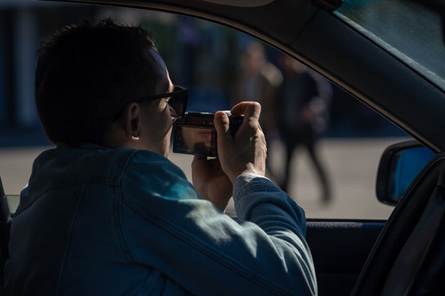
In New York, recording police officers is legal. Under Civil Rights Law Section 79-p, you have the right to record law enforcement performing official duties in public spaces. This applies whether you're on a sidewalk in Manhattan, a park in Buffalo, or attending a public event in Syracuse.
You can record video and audio as long as you’re not physically interfering. Officers might not like being filmed, but discomfort alone doesn’t give them legal grounds to arrest you. New York is also a one-party consent state for audio, which means you can record conversations you’re part of without asking for permission.
The key limitation? You can’t interfere with an investigation. That includes:
- Ignoring lawful orders to move back
- Physically getting in the way
- Creating a safety hazard
But filming from a reasonable distance, especially in a public space, is protected.
Why Arrests Still Happen When Recording Is Legal
Even though state law protects your right to record, some officers still arrest people for it. They often rely on vague charges like:
- Obstruction of governmental administration
- Disorderly conduct
- Resisting arrest
Sometimes they say you refused a command. Other times, they claim you escalated the situation. These arrests can happen even when you’re calm, cooperative, and clearly within your rights.
Here are real examples from across New York:
- A bystander filming a stop-and-frisk in Harlem is arrested after refusing to stop recording
- A woman in Rochester records police during a traffic stop and is charged with obstruction
- A protest attendee in Albany films crowd control and is pushed, then handcuffed
These arrests may not hold up in court, but they still carry emotional, legal, and financial consequences.
What to Do Right After the Arrest
The hours and days after your arrest matter. This is when your memory is sharpest, and your evidence is easiest to collect.
Start by gathering everything related to the arrest:
- Booking documents or citations
- Release papers or court appearance notices
- Names or badge numbers of involved officers (if you remember)
Then begin documenting:
- Write down a full account of what happened
- Save any videos, photos, or texts from the day
- Create a backup of your phone data, especially footage
- Note names of witnesses or people nearby
Don’t wait to do this. Details fade quickly, and phone data can get lost. If officers took your phone, note when it was seized and whether they accessed it.
Signs Your Arrest May Have Been Unlawful
Not every arrest for filming is unlawful, but many are. The difference often comes down to two factors: probable cause and retaliation.
Your arrest may be unlawful if:
- You stayed in a public space
- You didn’t interfere with police activity
- You obeyed clear, lawful instructions
- You were targeted specifically for recording
Another red flag is if officers tried to delete your footage or demanded you hand over your phone without a warrant. That could violate your Fourth Amendment rights against unlawful searches and seizures.
Even if the charges were dropped, or never filed, you may still have a strong legal claim. Courts look at whether the officer’s actions were reasonable, and whether they were motivated by your protected conduct.
Legal Actions You Can Take
If you believe your arrest was illegal or retaliatory, you can take action. The most common route is filing a civil rights claim under Section 1983 of the U.S. Code. This federal statute allows you to sue government officials, including police officers, for violating your constitutional rights.
Possible claims include:
- First Amendment retaliation (for recording or speaking up)
- Fourth Amendment violation (unlawful search or seizure)
- Fourteenth Amendment equal protection claim (if discrimination played a role)
If successful, these claims can lead to:
- Financial compensation for emotional distress, lost wages, or legal costs
- Clearing your arrest record
- Court orders requiring police policy changes
New York also allows claims under its own civil rights statutes, which are enforced by agencies like the New York State Division of Human Rights. A qualified civil rights attorney can help you determine which legal path is strongest.
How a Civil Rights Attorney Can Help
Building a successful case takes more than telling your story. You need proof, timelines, and a legal strategy. This is where an experienced attorney makes a difference.
At Horn Wright, LLP, we look at the full picture:
- Was your arrest tied directly to your recording?
- Did the officer violate your constitutional or state-level rights?
- Is there a pattern of similar arrests in the precinct?
We collect key evidence, including:
- Body-worn camera footage
- Police radio dispatch logs
- Officer history of similar conduct
- Eyewitness statements
You don’t need to wait until a conviction or dismissal. In fact, early legal review gives you the best chance to preserve evidence and assert your rights within legal deadlines.
Staying Safe While Recording in the Future
Recording police is one way to increase accountability. But safety comes first. Knowing your rights, and how to assert them calmly, can reduce your risk of escalation.
Here are safety tips to keep in mind:
- Record openly, not secretly, so no one thinks you're hiding something
- Maintain a safe distance, especially during tense situations
- Don’t argue with officers, ask questions like, “Am I free to go?”
- Use apps that back up footage to the cloud in real time
- Avoid touching officers or interfering physically, even if someone else is in danger
If you are stopped, stay calm. Say, “I am exercising my right to record in public.” That one sentence can show later that you were trying to assert your rights peacefully.
You Have the Right to Record and the Right to Defend Yourself
You don’t need a badge or a law degree to hold power accountable. Recording police in public spaces is a protected right under New York and federal law. If you were arrested for doing exactly that, you may have a strong case.
At Horn Wright, LLP, we help people in New York who’ve been wrongfully arrested for filming, protesting, or speaking up. We build civil rights claims backed by evidence and strategy.
Don’t let the arrest be the end of your story. Reach out to our team to receive clear legal guidance.

What Sets Us Apart From The Rest?
Horn Wright, LLP is here to help you get the results you need with a team you can trust.
-
Client-Focused ApproachWe’re a client-centered, results-oriented firm. When you work with us, you can have confidence we’ll put your best interests at the forefront of your case – it’s that simple.
-
Creative & Innovative Solutions
No two cases are the same, and neither are their solutions. Our attorneys provide creative points of view to yield exemplary results.
-
Experienced Attorneys
We have a team of trusted and respected attorneys to ensure your case is matched with the best attorney possible.
-
Driven By Justice
The core of our legal practice is our commitment to obtaining justice for those who have been wronged and need a powerful voice.