


What Are Your Rights If Police Cross the Line During a Protest?
Know how to protect yourself and assert your rights when police go too far
Protests play a vital role in shaping public policy and holding power to account. Whether you're marching down a street in Rochester or gathering at Foley Square in Manhattan, you have the right to speak out peacefully.
But when law enforcement oversteps—using force, making unjustified arrests, or silencing voices—those rights are threatened. And when that happens, people often leave protests not just shaken, but violated.
At Horn Wright, LLP, our civil rights attorneys work with New Yorkers whose rights were ignored, trampled, or punished. If the police crossed the line while you exercised your constitutional rights, we’re here to help you respond with strength and clarity. You don’t have to handle this alone, and you don’t have to stay silent.
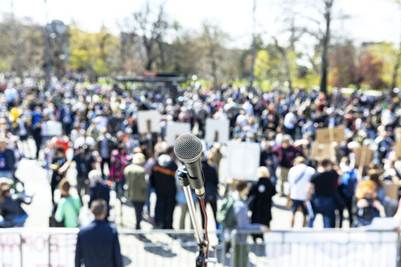
Know Your Core Rights at a Protest
Your rights at a protest come from both the U.S. Constitution and New York State law. The First Amendment protects your right to peacefully assemble, speak, and carry signs. In New York, you can join a protest in public spaces like sidewalks, plazas, and parks without needing a permit—so long as you don’t block traffic or use sound amplification.
If your group wants to march in the street, you'll often need a permit from your city or town. For example, a march in Albany that blocks intersections may require coordination with local police.
Here’s what you can legally do in most public places:
- Chant or carry signs
- Record police and public officials
- Gather with others, even spontaneously
- Hand out flyers or literature
- Remain silent if approached or questioned
Officers cannot arrest you for simply participating in a peaceful protest. They also cannot use physical force unless clearly justified under law.
Understand What “Crossing the Line” Looks Like in Real Situations
Police misconduct during protests can take many forms. Some are loud and visible. Others are quieter, but still serious. These actions violate your rights and may create a legal claim.
“Crossing the line” can include:
- Using tear gas, rubber bullets, or batons without warning or threat
- “Kettling” crowds into confined spaces, then arresting everyone
- Seizing phones or deleting video evidence
- Arresting individuals without clear charges
- Physically pushing, shoving, or restraining nonviolent protesters
- Threatening or singling out people for recording
During the 2020 demonstrations in New York City, these tactics were widely reported. The Department of Justice and state officials investigated these claims after thousands of protest-related complaints.
Stay Calm and Document Misconduct in the Moment
When things start to escalate, it helps to stay calm and pay attention. If you see police misconduct, document it safely. Don’t confront. Instead, record from a distance, speak clearly, and protect the footage.
Tips for documenting:
- Record horizontally if possible
- State the time, location, and date aloud
- Capture officer names, badge numbers, or car numbers
- Stay at a safe distance without blocking movement
- Use apps that auto-upload to cloud storage
- Text someone a quick update about where you are
The goal is to create clear, useful evidence. Even a few seconds of footage could help support a legal case later.
Preserve Evidence and Secure Witnesses After the Protest Ends
Once the protest ends, act quickly to save your footage and notes. Waiting too long can lead to lost evidence or forgotten details. Even things that feel minor could become relevant.
To preserve and organize your material:
- Backup video clips in multiple cloud folders
- Take screenshots of social posts or livestream links
- List witnesses and ask for their contact info
- Write down what officers said or did
- Photograph the scene or any visible property damage
If you were arrested or saw someone injured, write that down too. These details help attorneys and civil rights groups piece together the full picture.
Seek Medical Attention if Injured, Then Document It Thoroughly
If you were physically harmed during a protest, get medical care as soon as possible. Even minor injuries should be treated. A delay could affect both your health and your legal claim.
Steps to document injuries:
- Take clear photos of any bruises, cuts, or swelling
- Request and save hospital or clinic discharge papers
- Note your symptoms and any follow-up care
- Keep records of medication or therapy
- Describe how the injury affects your daily life
Medical documentation is one of the most effective ways to support a claim for damages under state or federal civil rights law.
Report Police Misconduct to Oversight Agencies
New York provides several ways to formally report police misconduct. Filing a complaint can help create a paper trail and support legal action if necessary.
You can file with:
- The Civilian Complaint Review Board (CCRB) if the NYPD was involved
- Internal affairs departments in cities like Syracuse, Buffalo, or Yonkers
- The New York State Attorney General’s Civil Rights Bureau
- The New York State Division of Human Rights
Include detailed accounts, time-stamped photos or videos, and contact info for any witnesses. Keep copies of everything you submit. If you later pursue a lawsuit, your attorney can use these records as supporting material.
Talk to a Civil Rights Lawyer Before Posting Online
Publishing footage or protest stories on social media can feel like taking control. But it may also expose you to online harassment or affect your legal options. A civil rights attorney can help you decide when and how to release information.
Legal guidance can help you:
- Review the footage to avoid privacy risks
- Avoid posting content that could be misinterpreted
- Decide whether to release the video to the public or a journalist
- Protect your identity if needed
- Keep the option of legal action open
Your story is yours, but sharing it strategically can often do more good with less risk.
Know Your Legal Options After the Protest
When officers violate your rights, you may be able to take legal action. New York State civil rights laws and federal protections allow you to file lawsuits in specific circumstances.
You may be eligible to seek:
- Compensation for injuries or lost wages
- Recovery of legal costs
- Expungement of wrongful arrest records
- A formal apology or acknowledgment of wrongdoing
- Court orders preventing future misconduct
Your case may involve more than just a single officer. It could include the department or city, depending on the circumstances. An experienced lawyer can help you build the strongest case possible.
Stay Engaged and Protect Yourself from Further Retaliation
In some situations, retaliation doesn’t end when the protest does. You might notice increased police presence, unexpected citations, or online harassment. If anything like this happens, keep detailed records.
Protective steps include:
- Recording or writing down all follow-up interactions
- Letting friends know when you meet with law enforcement
- Avoiding solo contact with officers who were involved
- Notifying your attorney immediately
- Saving social media posts or messages that seem threatening
Staying aware doesn’t mean you’re doing anything wrong. It means you’re taking your safety seriously.
You Have the Right to Protest and the Right to Be Treated Lawfully
Protesting in New York is a protected right. If police crossed the line and violated those rights, you can take action.
At Horn Wright, LLP, we represent people who were harmed while speaking out. We’re here to help you protect your voice, secure your evidence, and fight for justice through the legal system.
If something went wrong at a protest, reach out to our team. We’re ready to stand with you.

What Sets Us Apart From The Rest?
Horn Wright, LLP is here to help you get the results you need with a team you can trust.
-
Client-Focused ApproachWe’re a client-centered, results-oriented firm. When you work with us, you can have confidence we’ll put your best interests at the forefront of your case – it’s that simple.
-
Creative & Innovative Solutions
No two cases are the same, and neither are their solutions. Our attorneys provide creative points of view to yield exemplary results.
-
Experienced Attorneys
We have a team of trusted and respected attorneys to ensure your case is matched with the best attorney possible.
-
Driven By Justice
The core of our legal practice is our commitment to obtaining justice for those who have been wronged and need a powerful voice.