


When Police Confiscate Your Property Illegally: Your Legal Options in New York
What to Do When Officers Take Property Without Justification
Imagine being pulled over, questioned on the street, or stopped at your home, only to have police take your phone, wallet, or even your car. You’re not charged with a crime. You don’t get a receipt. Days go by. You’re left asking: can they really do that?
Across New York, people experience unlawful property seizures more often than they think. Whether it’s a phone taken during a stop in Queens or cash confiscated in Rochester, the impact is the same. It feels invasive and unjust.
At Horn Wright, LLP, our civil rights attorneys help people fight back when law enforcement takes what doesn’t belong to them. If your property was taken illegally, you may have the right to sue, seek return of your items, or challenge the department’s actions under civil rights law.
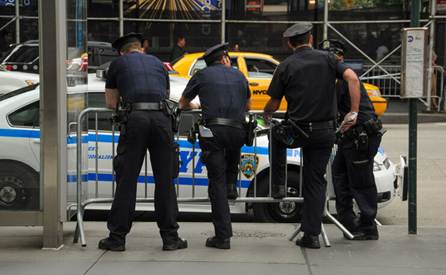
Understand When a Property Seizure Becomes Illegal
Police can take property during an investigation, but only under strict legal standards. A lawful seizure usually requires a warrant, your consent, or specific exceptions like probable cause linked to a crime.
It becomes illegal when:
- There is no arrest, warrant, or criminal charge
- Officers refuse to provide documentation of the seizure
- Items unrelated to any suspected crime are taken
- Property is not logged, stored, or returned
In Brooklyn, for example, a person stopped for loitering may legally be questioned, but if officers take their phone without probable cause or a warrant, that seizure is likely unconstitutional.
Know Your Rights Under the Fourth and Fourteenth Amendments
The Fourth Amendment protects against unreasonable searches and seizures. The Fourteenth Amendment guarantees due process, including property rights. These protections apply whether you're stopped in the Bronx, Albany, or a smaller town like Plattsburgh.
Police violate these rights when they seize your belongings without legal cause and offer no clear path for return. Even if the officer believes you’re involved in a crime, they must justify taking your property under clear legal rules.
These rights also apply during traffic stops, street stops, and home searches. For example, if an officer detains you in Buffalo and seizes your wallet without returning it or filing charges, you may be able to file a constitutional claim under 42 U.S.C. § 1983.
Types of Property Commonly Confiscated Without Cause
While some seizures happen during serious investigations, many occur in low-level or stop-and-frisk-style encounters. Police often seize:
- Cell phones
- Cash or wallets
- Personal ID cards or immigration papers
- Backpacks or purses
- Vehicles or keys
Even if these items are later returned, the unlawful nature of the seizure may still violate your rights and justify legal action. New York courts have held that temporary deprivation can still count as a constitutional violation.
What Police Must Do After a Legal Seizure
If officers legally seize your property, they must follow post-seizure procedures. These steps exist to protect your due process rights and give you a path to reclaim your belongings.
Required actions include:
- Documenting the item and creating a property voucher
- Providing you with a receipt
- Logging the item in the precinct system
- Storing it securely
- Making it available upon request or resolution of any case
If any of these steps are skipped, or you're denied access without a hearing or timeline, your rights may have been violated. This is especially common in cases where no charges are filed.
When Civil Asset Forfeiture Crosses the Line
In some cases, police may seize property under civil asset forfeiture laws, which allow departments to take property suspected of being linked to a crime, even without a conviction. In theory, this tool targets criminal networks. In practice, it’s often abused.
In New York, courts have flagged forfeiture programs that:
- Fail to notify owners about the seizure
- Delay hearings or omit court oversight
- Pressure individuals into signing waivers
Someone driving through Long Island with a large amount of cash might be stopped and questioned. If police claim the money is connected to drug activity and seize it without charges or proof, that raises serious due process concerns. The U.S. Department of Justice has acknowledged issues with these practices and pushed for reform.
What to Do Immediately After Your Property Is Taken
If police confiscate your property without legal basis, time matters. You’ll want to move quickly to preserve evidence and protect your rights.
Here’s what to do:
- Write down every detail: date, location, names, and what was taken
- Ask for a property voucher or receipt
- Request names and badge numbers of the officers involved
- File a FOIL (Freedom of Information Law) request for police reports or logs
- Contact a civil rights attorney
You should also file a complaint with the precinct or department’s internal affairs division. In New York City, the Civilian Complaint Review Board (CCRB) handles misconduct claims involving NYPD officers.
Legal Options: Civil Claims, Return Requests, and Lawsuits
If your property was taken illegally, you may have multiple legal options depending on the situation.
- Motion for return of property (if it’s still in custody)
- Civil rights lawsuit for unlawful seizure or due process violations
- Tort claim under New York state law for conversion or loss
If officers took your phone and refused to return it after releasing you without charges, your lawyer may file a motion or civil action under Section 1983. If the item is lost or damaged, you may also have a claim for monetary compensation.
Real Story: A New York Resident Fought Back
In one Queens case, a woman was pulled over for a minor traffic issue. Officers found nothing illegal but seized $1,200 in cash from her glove compartment. She was not charged and never received a receipt. Months passed with no update.
With help from a civil rights attorney, she filed a FOIL request, obtained evidence that the property was never logged, and filed a federal lawsuit. The city settled. The woman’s story is a reminder that what seems minor can have legal weight, and people do have the power to push back.
Why Legal Help Is Critical in Property Seizure Cases
Police departments don’t always follow the law when it comes to property. Documentation disappears. Claims are delayed. Victims get ignored. That’s where legal support changes everything.
An experienced attorney will:
- Request all police and internal records
- Demand immediate return or compensation
- File complaints and lawsuits where necessary
- Help you navigate court procedures
At Horn Wright, LLP, we’ve helped clients across New York, from Staten Island to Schenectady, fight back against unlawful takings. We understand how departments operate and how to hold them accountable when they cross the line.
Final Takeaway: Police Don’t Have the Right to Take What’s Yours
When officers take your property without reason, it may be illegal. You have rights under state and federal law that protect you from this kind of abuse. If it happened to you, you’re not alone. At Horn Wright, LLP, we can help you take back what’s yours, hold officers accountable, and make sure it doesn’t happen again. Your property matters, and so do your rights.

What Sets Us Apart From The Rest?
Horn Wright, LLP is here to help you get the results you need with a team you can trust.
-
Client-Focused ApproachWe’re a client-centered, results-oriented firm. When you work with us, you can have confidence we’ll put your best interests at the forefront of your case – it’s that simple.
-
Creative & Innovative Solutions
No two cases are the same, and neither are their solutions. Our attorneys provide creative points of view to yield exemplary results.
-
Experienced Attorneys
We have a team of trusted and respected attorneys to ensure your case is matched with the best attorney possible.
-
Driven By Justice
The core of our legal practice is our commitment to obtaining justice for those who have been wronged and need a powerful voice.