


When Police Plant Evidence: How to Prove Your Innocence
Fighting False Criminal Charges and Police Misconduct
When someone in New York faces criminal charges, they expect the evidence to reflect the truth, not something manufactured to fit a narrative. But planted evidence does happen. Whether it's a weapon suddenly "discovered" during a questionable search or drugs found only after officers search your car twice, the damage can feel instant and overwhelming.
If you’re dealing with a situation where the police planted evidence against you, the consequences are real, and so is your right to fight back. At Horn Wright, LLP, our New York attorneys understand how to challenge manipulated evidence. We work to uncover misconduct, suppress illegally obtained material, and build a case that puts the truth front and center.
Understand What It Means When Police Plant Evidence
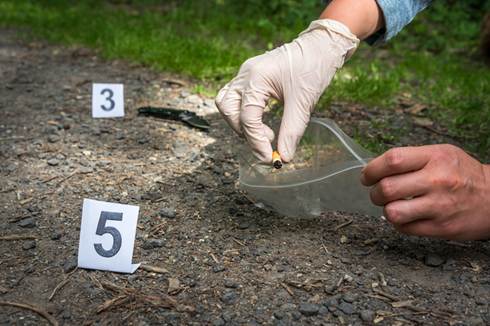
Planting evidence isn’t a mistake. It’s an intentional act that can change someone’s life in seconds. In New York, we’ve seen it happen in cases ranging from street-level arrests in East New York to traffic stops in Syracuse. Officers might place an item, like a bag of narcotics or an unregistered firearm, where it never existed, or claim it was in plain sight when it wasn’t.
Sometimes they exaggerate what they found, or they “discover” something after turning off their body camera. It’s dishonest and illegal. Under New York law, any act that introduces false evidence into a criminal case violates your constitutional rights and undermines the entire system. Recognizing it is the first step in fighting back.
Recognize the Impact of Planted Evidence on Your Life
Facing false charges is more than a legal challenge. A planted gun or drug charge in Brooklyn can land someone in Rikers Island while they wait for a hearing. People miss work. They lose jobs. Family members stop trusting you. Your name ends up in databases, tied to crimes you didn’t commit.
In New York, prosecutors may aggressively pursue charges, especially in boroughs with strict sentencing priorities like Queens or Manhattan. Even when evidence seems questionable, the pressure to accept a plea deal can feel intense.
The toll hits every area of life:
- Emotional stress and anxiety
- Difficulty affording bail or legal support
- Isolation from family or community
- Permanent damage to your reputation, even if charges are dropped
You’re fighting for freedom and for your future.
Know Your Rights Under New York Law
When you're arrested in New York, your rights matter. They aren't just words. They’re tools you can use to protect yourself. The New York State Constitution protects you from unreasonable searches. If an officer enters your apartment without a warrant or searches your bag without cause, anything they find may be suppressed in court.
Your key rights during arrest and investigation include:
- The right to remain silent
- The right to an attorney
- The right to refuse a search without a warrant
- The right to see all evidence against you
If you believe something was planted, do not confront the officers. Don’t make accusations during the arrest. Stay silent and request a lawyer. Everything you say from that point forward can be used in court, sometimes twisted to support the false evidence.
Identify Red Flags That May Show Planted Evidence
Planted evidence often leaves a trail. It may not be obvious right away, but inconsistencies pop up over time. Keep your eyes open for these warning signs:
- Body cam footage cuts off or is missing key moments
- Officers "find" evidence during a second or third search
- Reports include details you know aren't true
- Witnesses give a different version of events than the officers
- The search happened without consent or a warrant
- Evidence appears in a location you never had access to
In some cases, body camera manipulation has led to public outrage and renewed demands for accountability. These red flags matter because they point to misconduct that may help dismantle the state’s case.
Preserve Every Detail Right After the Incident
Your memory fades faster than you think, especially during stress. After an arrest or stop where something feels off, document everything. Time matters. So does place. What did the officers say? How many of them were there? Were there witnesses nearby, like someone walking a dog near your building in Astoria or a deli employee in Flatbush?
If you can, do this immediately:
- Write down every detail, no matter how small
- Record names, badge numbers, car numbers, and precincts
- Note the weather, lighting, and exact location
- Save any video you or others recorded
- Ask nearby people for contact information if they saw what happened
New York City especially has dense foot traffic. Someone probably saw something, and that person could help prove your case.
Request and Review All Available Evidence
New York law gives you the right to see the case against you. Under CPL Article 245, prosecutors must turn over all evidence they plan to use in court. That includes:
- Police reports
- Surveillance video
- Body camera footage
- Audio from police radios
- Lab reports and forensics
- Officer disciplinary history, if relevant
Ask your attorney to review everything with you. If footage is incomplete or police logs don’t match the timeline, those gaps can be powerful. In precincts where misconduct has been historically reported, those gaps may become central to your defense.
Work with a New York Criminal Defense Attorney Who Understands Misconduct
Not every attorney has experience challenging dishonest police work. These cases require strategy, detail, and the ability to expose a flawed narrative in court. A seasoned New York criminal defense attorney will know how to:
- Cross-examine officers and expose contradictions
- Request full disciplinary records
- File suppression motions targeting illegal actions
- Spot missing evidence or chain-of-custody issues
Legal teams familiar with misconduct and civil rights violations understand how officer behavior impacts the courtroom. An experienced lawyer break the story apart piece by piece.
Understand the Role of Internal Affairs and Oversight Bodies
If you believe an officer planted evidence, you can file a formal complaint. In New York, two main options exist:
- The Civilian Complaint Review Board (CCRB)
- The NYPD Internal Affairs Bureau
These entities don’t represent you in court and can’t drop charges, but they do investigate misconduct. A complaint may reveal that the officer involved in your case has been disciplined before. That information, while separate from the court process, can support your broader legal strategy.
Filing a complaint also creates a paper trail. Even if it doesn’t affect your current charges, it pressures departments to review patterns and can inform long-term civil litigation if your rights were violated.
Use Witnesses and Surveillance to Build Your Defense
New York is covered in cameras. Apartment buildings, corner stores, traffic intersections all record footage that might support your defense. The challenge is acting quickly.
Some businesses delete footage every 7 to 14 days. Your attorney can send a subpoena to preserve or access that video, but identifying the right location fast is key.
Eyewitnesses can also provide critical support. People nearby may have recorded the incident on their phones or seen the officers arrive before you were searched. A few key statements or seconds of video can shift the entire direction of your case.
Push Back in Court with Legal Motions and Expert Testimony
Challenging planted evidence starts before the trial even begins. Your attorney can file motions to suppress illegally obtained items. If successful, prosecutors won’t be able to use that evidence at all.
Your defense might also involve:
- Expert analysis of fingerprints, gunpowder residue, or DNA
- Surveillance footage that contradicts officer claims
- Testimony showing mishandling of evidence
- Chain-of-custody breakdowns that call authenticity into question
New York courts have dismissed charges based on such findings. Judges in Albany, Rochester, and Manhattan have ruled in favor of defendants when the facts showed evidence was compromised.
Stay Strong Through the Process, It Can Take Time
These cases take an emotional toll. When you’re facing a false charge, the system can feel overwhelming. You may lose trust in people. You may worry about losing your job, your home, or your family.
But you are not alone.
Many people in New York have fought back and won. Legal support groups, including the Innocence Project and local advocacy networks, have helped individuals clear their names. But even with strong evidence on your side, the process takes time.
Here are a few ways to protect your well-being:
- Don’t post about your case on social media
- Keep your documentation organized
- Stay in regular contact with your attorney
- Lean on trusted family and friends for support
A planted charge doesn’t define you. How you respond does.
You Have the Right to Fight Back
If you believe police planted evidence against you, Horn Wright, LLP, is here to help. Our criminal defense attorneys know how to uncover the truth and challenge misconduct in New York courts. We investigate every detail, push back against false claims, and protect your rights with purpose and precision.
You don’t have to face this alone, and we’re ready to stand with you.

What Sets Us Apart From The Rest?
Horn Wright, LLP is here to help you get the results you need with a team you can trust.
-
Client-Focused ApproachWe’re a client-centered, results-oriented firm. When you work with us, you can have confidence we’ll put your best interests at the forefront of your case – it’s that simple.
-
Creative & Innovative Solutions
No two cases are the same, and neither are their solutions. Our attorneys provide creative points of view to yield exemplary results.
-
Experienced Attorneys
We have a team of trusted and respected attorneys to ensure your case is matched with the best attorney possible.
-
Driven By Justice
The core of our legal practice is our commitment to obtaining justice for those who have been wronged and need a powerful voice.