


When Witnesses Lie Under Pressure from Police: Protect Your Rights
Understanding False Testimony and Criminal Defense Strategies in New York State
After an arrest in New York, your life can flip upside down fast. Now imagine adding a witness who isn’t telling the truth. Whether they panicked during questioning or felt cornered by the police, their words could shape the entire outcome of your case. And you might be the one paying the price.
At Horn Wright, LLP, our civil rights attorneys understand how false witness statements impact justice. If you’re facing charges tied to someone else’s version of events, we’ll step in, protect your rights, and build a strong defense. We represent clients across New York State in cases involving witness credibility, police pressure, and unjust accusations.
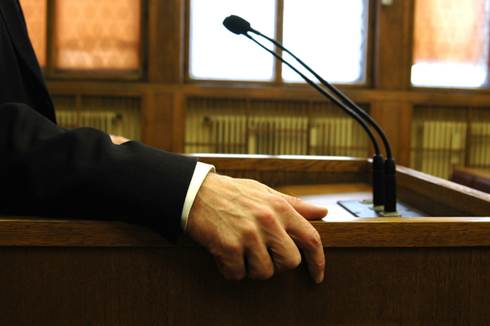
False Testimony Happens, and It Can Ruin Lives
False statements from witnesses happen more often than many people think. When police push too hard or when someone feels trapped in a tough spot, the truth can get twisted or buried entirely. Once a false statement enters a police report, prosecutors may treat it as fact.
In New York, wrongful convictions have occurred in high-profile cases that unraveled after courts reexamined coerced or inaccurate witness accounts. One well-known case is Jonathan Fleming, a Brooklyn man wrongfully imprisoned for over two decades. The witness later admitted to lying under pressure.
A false accusation can cost you your job, strain relationships, and damage your reputation even before a trial begins. And once that story reaches a courtroom, the path to the truth becomes steeper and far more complicated.
What Police Pressure Looks Like in Real Life
In New York, law enforcement officers have broad authority during witness questioning. While not all officers cross ethical lines, some witnesses experience clear signs of pressure, especially in high-stakes investigations.
That pressure may involve:
- Extended interrogations without breaks
- Threats of arrest for withholding information
- Implied consequences for non-cooperation
- Promises of protection or leniency
Often, it’s not just what’s said. It’s the environment. Closed rooms. Raised voices. A badge between the witness and the door. Many people feel intimidated, especially if they don’t understand their rights.
From the 75th Precinct in East New York to Monroe County’s Hall of Justice, there are recorded cases where witness statements unraveled under scrutiny of how those interviews were conducted. The pressure may not leave bruises, but it leaves behind damage just as lasting.
Why Witnesses May Lie Even If You’re Innocent
Few people intentionally fabricate stories without cause. But high-pressure situations can make anyone say what they think officers want to hear.
People lie under stress for several reasons:
- Fear of being charged themselves
- Misunderstanding what they actually saw
- Misinformation from others at the scene
- Pressure to align their story with the investigation
- Hope that cooperation will end questioning quickly
This happens especially in neighborhoods where police interactions feel inherently intimidating or adversarial. Younger witnesses are more likely to misunderstand the consequences of their words. Others simply feel they don’t have a choice.
Once a false narrative takes root, even accidental lies carry legal weight.
How False Testimony Affects Your Case in New York Courts
False testimony can shift the focus of your entire case. In New York’s court system, judges and juries rely heavily on what witnesses say, especially when that testimony appears consistent or emotionally compelling.
Even when physical evidence is weak, a confident statement from the stand can become the most persuasive part of a trial. That’s a problem when the story being told was shaped by fear, confusion, or police manipulation.
Courtrooms from Albany to Queens have seen cases built entirely on testimony later proven wrong. But juries don't always get the full picture. If a witness sounds believable, and there’s no obvious contradiction, that may be all it takes to secure a conviction.
Defense attorneys must act fast to challenge these statements before they harden into the foundation of the prosecution’s case.
Signs a Witness May Have Lied Under Pressure
If a witness in your case changed their story, showed uncertainty, or gave a version of events that doesn’t match the facts, those are serious warning signs.
Some of the most telling red flags include:
- Testimony that changes significantly between arrest and trial
- A sudden shift in certainty after police involvement
- Contradictions between their story and objective evidence
- Statements that conflict with phone records or surveillance footage
- Witnesses who appear nervous, evasive, or scripted in court
Unreliable testimony has been a major issue in civil litigation related to false imprisonment, and New York courts have acknowledged its influence on wrongful convictions.
If any of these signs show up in your case, it’s important to share them with your legal team immediately.
Your Legal Rights When Witnesses Lie in New York
When a witness gives false or misleading testimony, your defense team has tools to push back. New York law recognizes your right to challenge that evidence at every stage.
You have the right to:
- Cross-examine the witness
- Present conflicting testimony or physical evidence
- Use investigative findings to show inconsistency
- Move to suppress statements influenced by coercion
- Request a dismissal if credibility is substantially undermined
New York courts also allow for pre-trial hearings where your lawyer can test the strength of the witness's claims. In many cases, these hearings become the first line of defense against false narratives. An attorney skilled in civil rights issues involving misconduct can be especially effective at highlighting improper police pressure during cross-examination.
How Attorneys Uncover the Truth
When it becomes clear a witness may not be telling the truth, your defense attorney will begin investigating aggressively and early. The goal is to find inconsistencies, motivations, or evidence that can call their statement into question.
Effective tactics include:
- Reviewing police bodycam footage or surveillance video
- Comparing timelines with GPS or phone location data
- Investigating the witness’s criminal or civil history
- Conducting independent interviews
- Bringing in forensic or psychological experts
These efforts aim to strip away anything built on shaky ground. In many situations, uncovering inconsistencies is enough to weaken the prosecution's case. Strong defense work often hinges on these details.
To see how poor investigations impact public trust, consider the fallout from the Rochester police chief firing, which followed bodycam footage that contradicted initial claims. Misleading statements, whether by officers or witnesses, can shift the course of justice.
What to Do If You’re Charged Based on a False Statement
If someone falsely implicates you, don’t wait for things to correct themselves. Every hour counts, and trying to fix things on your own can make it worse.
Here are your first steps:
- Contact a criminal defense attorney with experience in false testimony cases
- Avoid communicating with the witness or others involved in the case
- Preserve phone records, text messages, and social media activity
- Keep detailed notes about your whereabouts and who was with you
- Share any concerns about witness behavior with your lawyer
New York’s legal process can move fast, especially if prosecutors believe they have a solid witness. Getting the right help early can change everything.
New York Laws Against False Accusations
Lying to police or giving false testimony in court is illegal. In New York State, these actions are considered serious offenses under the New York Penal Law.
Key statutes include:
These laws hold people accountable when they knowingly provide false information. A witness who makes a false statement under oath could face fines, probation, or even jail time. And in criminal trials, exposing that falsehood could lead to a reversal or reduction in charges.
Real Cases, Real Consequences: New York Examples
Several New York cases have highlighted the destructive power of dishonest testimony. In David Ranta’s case, key witnesses later admitted they had been pressured during questioning. He spent over two decades in prison before being exonerated.
More recently, a Syracuse man faced robbery charges based solely on one person’s account. Video evidence later proved he was blocks away at the time. The case was dropped before trial.
These are part of a pattern that courts and advocates continue to confront, especially as more attention is paid to excessive force and civil rights violations tied to flawed investigations.
Why False Testimony Hurts Everyone
Lying in a criminal case does more than put the accused in danger. It diverts resources, delays justice, and weakens trust in the courts. Prosecutors waste time pursuing the wrong narrative. Judges have to sort through flawed testimony. Meanwhile, the public loses faith in the system's fairness.
False accounts also harm real victims, those who never see their cases properly resolved. Truth isn’t optional in the justice system. It’s what holds the entire process together.
Protecting Your Future Starts with the Right Legal Help
At Horn Wright, LLP, we understand how serious it is when witness testimony doesn’t reflect the truth. Our attorneys work with clients throughout New York State to challenge false statements, uncover the facts, and protect your rights at every step.
If someone lied about you, or if you’re facing charges built on a shaky story, we’re here to help you fight back and get the justice you deserve.

What Sets Us Apart From The Rest?
Horn Wright, LLP is here to help you get the results you need with a team you can trust.
-
Client-Focused ApproachWe’re a client-centered, results-oriented firm. When you work with us, you can have confidence we’ll put your best interests at the forefront of your case – it’s that simple.
-
Creative & Innovative Solutions
No two cases are the same, and neither are their solutions. Our attorneys provide creative points of view to yield exemplary results.
-
Experienced Attorneys
We have a team of trusted and respected attorneys to ensure your case is matched with the best attorney possible.
-
Driven By Justice
The core of our legal practice is our commitment to obtaining justice for those who have been wronged and need a powerful voice.