


Bicycle Involved Car Accidents in Manhattan Right Hooks Doorings Lanes
Understanding Bicycle–Car Crashes on Manhattan Streets
Bicycle involved car accidents in Manhattan are rarely random. They tend to happen in predictable places, under predictable conditions, involving the same mistakes over and over again.
Cyclists move through narrow streets alongside cars, buses, delivery vehicles, and rideshares, often with limited physical protection and little margin for error. Bike lanes help in some areas, but inconsistent design and constant curbside activity still create risk.
Drivers may underestimate how fast a cyclist is traveling or fail to check mirrors before turning or opening a door. Cyclists must react to double parked cars, sudden stops, and unpredictable passenger drop offs.
When a collision occurs, injuries are often serious. If you were hurt, our Manhattan car accident attorneys early can help you understand how local traffic design, right of way rules, and insurance issues affect your options before insurers begin assigning blame.
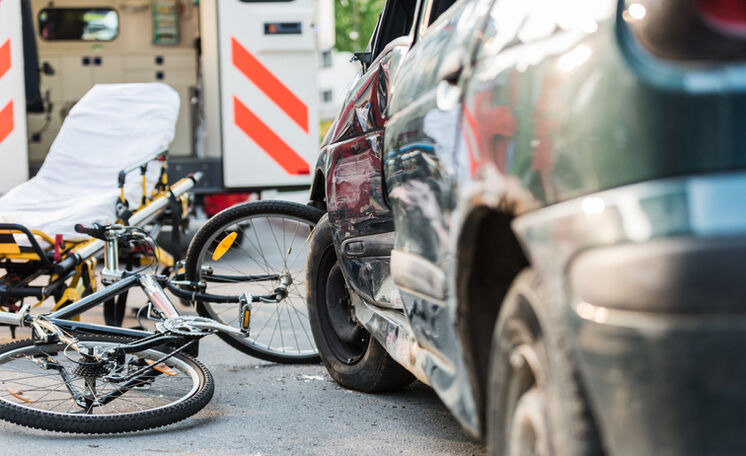
Why Right Hook Crashes Happen So Often at Manhattan Intersections
Right hook crashes occur when a driver turns right across the path of a cyclist traveling straight.
In Manhattan, these collisions frequently happen at intersections where bike lanes run parallel to traffic lanes. Drivers focus on cars and pedestrians, then turn without checking for cyclists approaching from behind or alongside.
Many right hook crashes happen during green lights, when cyclists have the right of way. The impact often knocks riders to the pavement or under the vehicle, causing fractures, head injuries, or internal trauma. These crashes are especially dangerous because cyclists have little time to react.
Fault analysis focuses on right of way and driver awareness. New York traffic rules require drivers to yield before turning across a bike lane. Claims that a driver “did not see” the cyclist rarely excuse responsibility when evidence shows the cyclist was lawfully proceeding.
Doorings Caused by Parked Cars and Rideshare Stops
Dooring accidents happen when someone opens a vehicle door into a cyclist’s path.
Manhattan’s heavy curbside activity makes these crashes common, especially near restaurants, hotels, and popular drop off zones. Taxis and rideshares stop frequently, and passengers exit quickly without checking mirrors or bike lanes.
Dooring crashes often throw cyclists into traffic or onto the roadway. Even at lower speeds, the sudden impact can cause broken bones, shoulder injuries, and head trauma. Responsibility usually falls on the person who opened the door, but disputes arise when drivers claim cyclists were riding too close.
New York law requires occupants to check for approaching traffic before opening doors. Witness statements, photos, and nearby camera footage often determine how these cases resolve.
Bike Lanes and How Lane Design Affects Collision Risk
Bike lanes play a central role in Manhattan bicycle accidents. Protected lanes tend to reduce conflicts, but painted lanes often create confusion. Some lanes end abruptly or merge into traffic without warning. Others are blocked by delivery vehicles or construction.
Drivers may treat bike lanes as loading zones, forcing cyclists into moving traffic. Some motorists fail to recognize bike lanes as legitimate travel lanes with equal legal protection. These misunderstandings contribute to sideswipes, right hook crashes, and doorings.
Lane placement matters when evaluating fault. Cyclists riding within a marked lane generally have clear rights. When drivers violate lane boundaries, responsibility often follows. Understanding how lane design influenced the crash helps clarify liability.
How Fault Is Determined in Bicycle–Car Accidents
Fault in bicycle car accidents depends on traffic laws, not assumptions about who belongs on the road. Cyclists have the same legal right to use streets as drivers. Failure to yield, unsafe turns, distracted driving, and illegal parking all create liability.
Police reports, witness statements, and video footage often shape fault decisions. In Manhattan, traffic cameras and nearby business surveillance frequently capture collisions. Claims that a driver did not notice the cyclist do not excuse negligence.
Clear evidence protects injured cyclists from blame shifting. Drivers must exercise due care to avoid collisions with bicyclists. Establishing that duty early helps prevent insurers from minimizing responsibility.
Injuries Commonly Seen in Manhattan Bicycle Accidents
Bicycle accidents often cause serious injuries because cyclists lack structural protection. Fractures to arms, legs, wrists, and collarbones are common. Head injuries occur even when helmets are worn, particularly in right hook and dooring crashes.
Spinal injuries, soft tissue damage, and internal injuries may not appear immediately. Recovery can involve surgery, physical therapy, and extended time away from work. Some injuries create long term limitations that affect daily life.
Medical documentation connects injuries to the crash and supports compensation claims. Prompt evaluation and consistent treatment help show the full impact of the collision, not just the initial pain.
Insurance and No Fault Issues for Injured Cyclists
Insurance issues often complicate bicycle accident claims.
Drivers may carry minimal liability coverage, and cyclists usually do not have their own auto policies. New York’s no fault system often applies to cyclists, covering initial medical expenses through the driver’s policy.
Disputes arise over eligibility, coverage limits, and payment timing. Insurers may delay benefits while investigating fault. No fault benefits apply regardless of fault, but paperwork errors can still slow payment.
Understanding how no fault and liability coverage interact helps injured cyclists avoid unexpected medical bills and gaps in treatment.
Evidence That Makes a Difference in Bicycle Crash Claims
Strong evidence often determines outcomes in bicycle accident cases. Traffic cameras, business surveillance, and dash cams frequently capture collisions in Manhattan. Photos of bike damage, vehicle position, and injuries help reconstruct events.
Witness statements matter, especially in busy intersections. Bike computers or phone apps may record speed and location data. Medical records link injuries directly to the crash.
Preserving evidence quickly prevents loss. Once footage is overwritten or memories fade, proving fault becomes harder. Early action protects your ability to recover fair compensation.
Your Next Steps After a Bicycle Accident in Manhattan
Bicycle involved car accidents in Manhattan often follow recognizable patterns, including right hooks, doorings, and lane conflicts.
Understanding how these crashes happen and how fault is evaluated helps injured cyclists protect their rights.
If you were hurt, we can help you preserve evidence, address insurance issues, and move forward with confidence while focusing on recovery instead of fighting assumptions.

What Sets Us Apart From The Rest?
Horn Wright, LLP is here to help you get the results you need with a team you can trust.
-
Client-Focused ApproachWe’re a client-centered, results-oriented firm. When you work with us, you can have confidence we’ll put your best interests at the forefront of your case – it’s that simple.
-
Creative & Innovative Solutions
No two cases are the same, and neither are their solutions. Our attorneys provide creative points of view to yield exemplary results.
-
Experienced Attorneys
We have a team of trusted and respected attorneys to ensure your case is matched with the best attorney possible.
-
Driven By Justice
The core of our legal practice is our commitment to obtaining justice for those who have been wronged and need a powerful voice.