


Multi-Car Pileups in Manhattan: Sorting Out Fault
Understanding Multi-Vehicle Crash Liability in NYC
Manhattan traffic moves fast, then suddenly slows. One second you’re cruising up the FDR, and the next, a bumper-to-bumper backup throws everything into chaos.
Multi-car pileups happen when drivers don’t have enough time or space to stop. Add in distractions, weather, or aggressive lane changing, and crashes stack up quickly. A single mistake can involve five or more vehicles in seconds.
Our team at Horn Wright, LLP, knows how complex these collisions feel. One driver blames another, insurers point fingers, and meanwhile, you’re injured, your car’s in the shop, and you’re still trying to get to work. If you’re stuck in a chain-reaction crash, talk to our Manhattan car accident attorneys.
We help drivers and passengers across Manhattan understand their rights after multi-car collisions. We can help you understand who’s responsible and what compensation you’re owed.
Identify the First Impact and Primary Fault
Sorting out fault in a pileup starts with one question: who hit who first?
New York law looks closely at the first point of impact. That initial crash often causes the chain reaction behind it. In a typical scenario, one driver suddenly brakes near Columbus Circle, another follows too closely, and within seconds, four cars are smashed together.
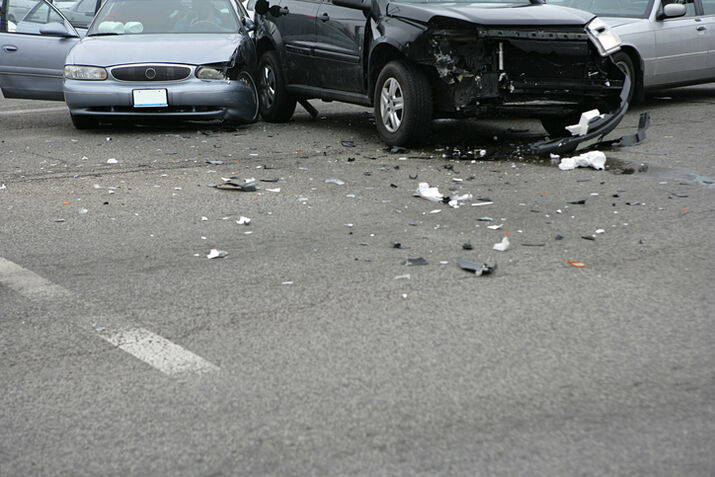
Usually, the driver who causes the first collision holds the most liability. But if multiple drivers brake too late, or if someone pushes another vehicle into a third, things get complicated. Investigators, insurance adjusters, and lawyers look for physical evidence, including scrapes, dents, and angles of impact, that show the order of events. Determining that first moment helps sort out who’s legally responsible.
Dashcams can be invaluable here. Even brief footage from the car in front or behind you can show if someone was tailgating or texting. NYPD reports may offer an overview, but video and eyewitness accounts often tell the full story.
Rear-End Responsibility in Chain Collisions
Rear-end crashes carry a strong presumption of fault in New York. If you hit the car in front of you, the law generally assumes you weren’t following at a safe distance. In multi-car pileups, this rule still applies, but things get more layered.
Let’s say a driver slams on the brakes on Park Avenue. The car behind them stops, but the third car in line doesn’t. That third vehicle hits the second, pushing it into the first. In that case, the third driver may carry full fault, even though they didn’t hit the front car directly.
Vehicle damage that shows forward push from behind, consistent driver statements, and detailed police reports help clarify impact sequences. If you stopped but were pushed, you may have zero liability. But if you didn’t allow space, or you were speeding, you may hold partial responsibility, even if you didn’t start the crash.
Contributing Factors That Shift Liability
Pileups rarely involve just one mistake. Often, multiple decisions lead to a single crash.
In Manhattan, where every block has taxis weaving and cyclists merging, small errors can create big problems.
Tailgating in congested areas reduces reaction time. A distracted driver glancing at their phone on 3rd Avenue may not notice a sudden stop. Speeding between lights on Houston Street or having worn tires in wet weather can all shift liability toward a particular driver.
Environmental elements like potholes, construction zones, and poor visibility further complicate things. Regardless of the cause, every driver is expected to control their vehicle safely.
Police Reports and Driver Statements
After any multi-car crash in Manhattan, the NYPD will usually respond. Their officers complete a police accident report (MV-104A), which includes diagrams of the crash scene, vehicle damage descriptions, violations observed, and initial statements from involved parties and witnesses.
This report becomes the foundation for insurance decisions. However, it isn’t always perfect. Officers rely on visible evidence and driver accounts, which may not capture every detail.
If the report misrepresents your involvement, you can submit a personal statement or file an MV-104 for your version of events. These supporting documents become critical during insurance negotiations or legal proceedings.
Use Visual Evidence to Reconstruct the Scene
In a pileup, camera footage often gives the clearest picture.
In Manhattan, that could include dashcams from involved vehicles, footage from MTA buses, storefront surveillance, or DOT traffic cameras. These recordings can capture the timing and nature of each impact.
Still photos of debris, skid marks, and final vehicle positions add useful context. They help adjusters and attorneys determine who had space to stop and who didn’t. If you were rear-ended while stationary at a red light and pushed forward, damage patterns will often confirm that you weren’t at fault. Since many cameras delete footage quickly, gather evidence fast and ask nearby businesses whether they saw what happened.
Insurance and Fault in Multi-Car Accidents
New York’s no-fault insurance rules apply even in multi-car crashes.
Your insurer covers initial medical expenses, lost wages, and some out-of-pocket costs through Personal Injury Protection (PIP). However, damage to your vehicle and claims for pain and suffering depend on fault and injury severity.
Fault matters when multiple insurers must divide compensation or when serious injuries trigger legal action. If you were not at fault but another driver was, their liability coverage may reimburse your property damage or medical costs beyond PIP limits. Insurers use a mix of reports, photos, and witness statements to assign fault.
New York uses pure comparative negligence. That means even if you are 90% at fault, you can still recover 10% of your damages. In a pileup, fault often splits across multiple drivers.
For instance, if a crash near Union Square involves four vehicles, investigators will consider who braked, who followed too closely, and who reacted late. If you were speeding slightly, but another driver suddenly changed lanes, both actions matter. Evidence like distance markers, skid patterns, and driver statements help sort percentages.
This rule helps injured drivers recover partial compensation when full recovery isn’t possible. However, it requires thorough documentation to avoid taking more blame than is fair.
What to Do After a Pileup in Manhattan
What you do in the minutes after a pileup can protect or damage your claim.
Start by calling 911 and wait for NYPD officers to document the scene. Take wide and close-up photos of all vehicle damage, license plates, traffic signs, and road conditions.
Gather contact details from every driver and witness. If possible, record verbal accounts with your phone. Get checked by a medical provider, even if you feel okay. Symptoms like neck stiffness or dizziness can appear later. Notify your insurer promptly, but stick to facts and avoid admitting blame.
Swift, clear action shows insurers and investigators you took the situation seriously and valued preserving evidence.
Sorting Fault in a Pileup Demands Clarity and Action
Multi-car pileups in Manhattan create chaos. With so many drivers, vehicles, and perspectives, determining fault is never automatic. But evidence helps. So do clear photos, strong statements, and quick thinking.
If you're feeling overwhelmed, we understand. At Horn Wright, LLP, we work with crash victims every day to sort out what happened, how liability is assigned, and what compensation is possible.
We’re here to help you focus on healing while we handle the legal side. Let us guide you through the confusion and help you move forward with confidence.

What Sets Us Apart From The Rest?
Horn Wright, LLP is here to help you get the results you need with a team you can trust.
-
Client-Focused ApproachWe’re a client-centered, results-oriented firm. When you work with us, you can have confidence we’ll put your best interests at the forefront of your case – it’s that simple.
-
Creative & Innovative Solutions
No two cases are the same, and neither are their solutions. Our attorneys provide creative points of view to yield exemplary results.
-
Experienced Attorneys
We have a team of trusted and respected attorneys to ensure your case is matched with the best attorney possible.
-
Driven By Justice
The core of our legal practice is our commitment to obtaining justice for those who have been wronged and need a powerful voice.